#Survival of the Fittest and Social Darwinism

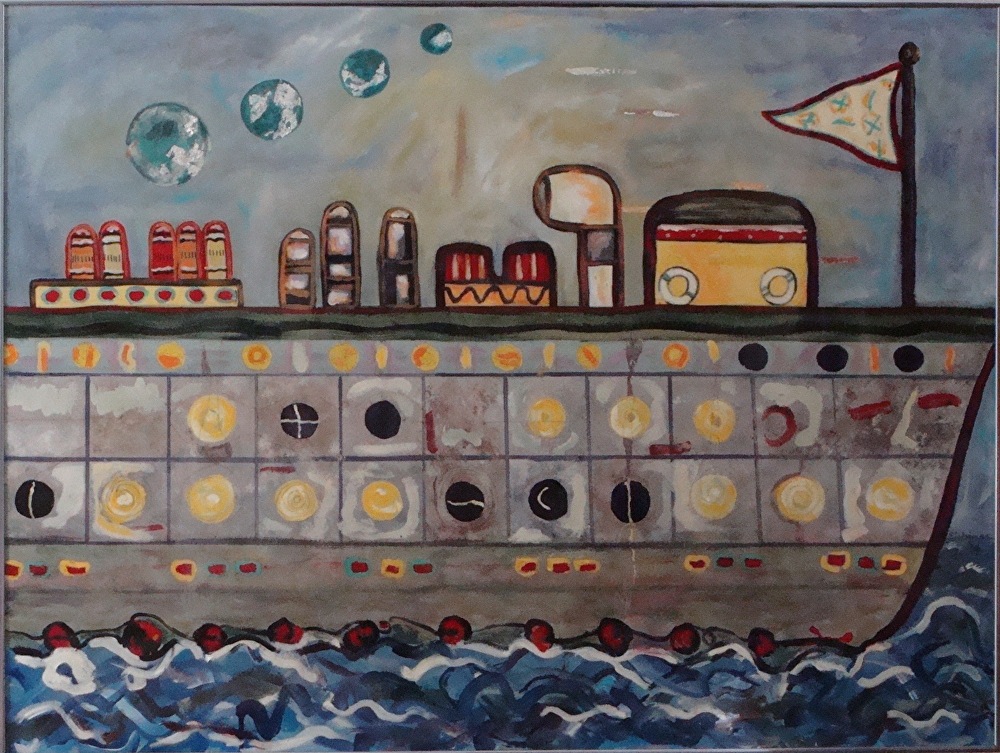
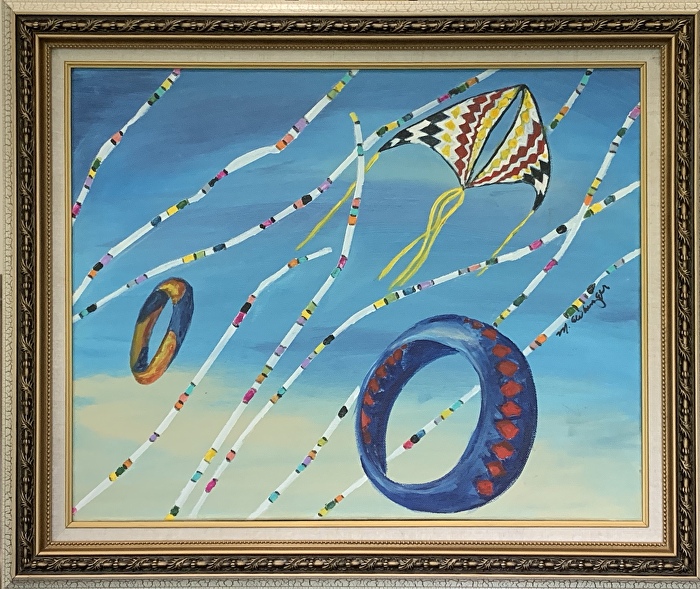
All Aboard

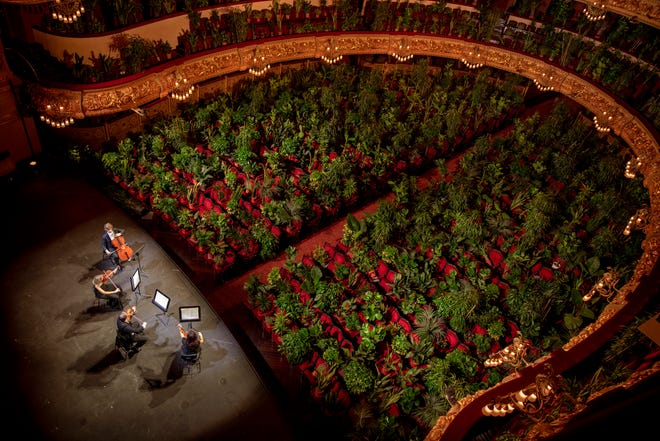
 Though the super wealthy may not be biologically the fittest, they certainly know how to survive without rubbing elbows with 4,800 fellow travelers.

Survival of the Fittest and Social Darwinism

Trying times make me think of Darwin’s theory of evolution and the ways people warp his writings to justify political, social, and economic agendas. Biologists looking at Coronavirus without effective treatment or preventive options, find the fittest depends on two phases of a patient’s immune response. The first occurs when the virus first attacks the body and immune cells gather at the site of the infection to destroy it. The second phase begins when regulatory cells suppress the inflammation to allow the infected tissues to heal. A deficiency in the first phase causes uncontrolled growth in the infection. A defect in the second phase can trigger massive inflammation, like pneumonia, that damages tissue and can cause death. Thankfully, the majority of people recover from coronavirus infections. 

Biologically, the fittest are those with a normal phase 1 response that clears the infection and keeps it from spreading in the lungs and a strong phase 2 response that prevents excessive inflammation. But survival in the United States does not depend entirely on the biology that allows the best adapted plants and animals to reproduce and transfer their genes to the next generation. Darwin’s theory of natural selection was developed to explain diversity and why different species of plants and animals evolve. He did not take social issues like wealth, healthcare or education into consideration. 

When examining Covid-19 to see why people survive, we have to consider factors besides the Darwin’s theory of natural selection. Access to health care, being educated enough to understand epidemiologists and cautious enough to avoid contamination by wearing masks are survival mechanisms based, in part, on political leanings, economics and education. Having enough money not to not worry about rent or food during a pandemic is a luxury for wealthy people, but also those receiving social security, medicare and medicaid. There are many nuances to why individual people survive pandemics, and we have to be careful not to twist the theory of evolution for political benefit as was done in the late 19th and early 20th centuries. 

Social Darwinism, advocated by Herbert Spencer and others, promoted a belief that powerful people are innately better. It was used to justify imperialism, racism, eugenics and social inequality by saying that the fit inherit qualities like industriousness and the ability to accrue wealth, while the unfit are innately lazy and stupid. Spencer preached that people could genetically pass on learned qualities like frugality and morality on to their children. Unfortunately, I see vestiges of Spencer’s thinking in our country today. 

Social Darwinism forms a basis for unrestrained capitalism calling for businesses to operate without government oversight. It opposes laws that help workers, the poor, and those who are genetically weak, believing they are unfit and that their extinction should not be delayed. Social Darwinists believe that individual competition for property and social status are justified tools for eliminating those who are weak and whom they judge to be immoral. 

In the mid-1900s, some went so far as to support Eugenics. Adulf Hitler, one of the most notorious examples, was inspired by California’s forced sterilizations of the “feeble-minded.” His call for a German master race was based on maintaining a pure gene pool. Hitler’s cries were similar white supremacists who walk our nation’s streets believing white people are superior to those of other races and therefor should dominate them. White supremacy was at the heart of the defense of slavery and justified segregation. 

According to Simon Clark of the Center for American Progress, Steven Miller, is an ideologically extreme Trump advisor who began working for him before the 2016 presidential election. He speaks of “the ‘great replacement’ theory, fears of white genocide through immigration, race science, and eugenics; he also linked immigrants with crime, glorified the Confederacy, and promoted the genocidal book, The Camp of the Saints, as a roadmap for U.S. policy.”

 Unfortunately, the numbers of White Supremacists are growing. This week, in Portland, The Proud Boys, a hate group identified by the Southern Poverty Law center, was turned down due to Coronavirus concerns when they requested a permit for 10,000 people to assemble.

Added to the supremacists way of thinking, are the evangelical believers who anoint wealthy and powerful, though immoral or criminal, as chosen by God. By selling their soul to politics, they are rewarded with attacks on reproductive rights and freedoms for LBGTQ+ people, and the appointment of scores of conservative judges. Kept in line through promises of salvation in the coming Armageddon, they little imagine the master race they are setting up to survive on earth without them.

The two groups stoke a dangerous situation that belittles ninety percent of humanity. Our country fought for independence against the Divine Right of Kings and we fought world wars against Social Darwinism, yet so many people bend to the rich and powerful who step on their backs.  

Most super wealthy people are not concerned that minority populations have a disproportionate number of coronavirus victims. They find ways to avoid paying taxes so they won’t have to underwrite healthcare, childcare or a living wages for all. They are not interested in feeding the poor, caring for the homeless or those who escaped life with addiction. They pass laws to drill for oil in wildlife areas and eliminate EPA regulations. 

Because of global warming, the millions of people in the United States will migrate, lose jobs, starve, experience a decline in the quality of their environment and become ill over then next fifty years, while the super wealthy will stay secure in gated, air purified communities. They will travel in private jets and enjoy vacations on luxury yachts, rather than rub elbows with 4,800 middle class passengers. They may not be biologically the fittest, but they certainly know how to survive.

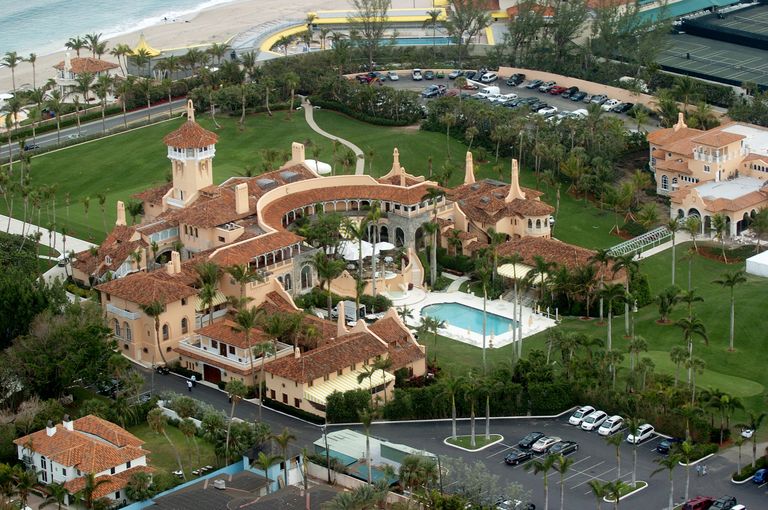
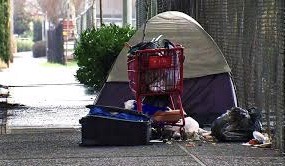
Travel by Yacht? Reside at Mar-a-Lago? or join the throw-away-people at home on the streets of Portland, OR?

References:

Editors (2018) Social Darwinism. History.Com. retrieved from https://www.history.com/topics/early-20th-century-us/social-darwinism

Nagarkatti,P & naugarkatti, M. (2020) What does ‘survival of the fittest’ mean in the coronavirus pandemic? Look to the immune system. University of South Carolina. retrieved from https://www.sc.edu/uofsc/posts/2020/05 coronavirus_immune_system.php#.X2l2Dy9h2S4

Lustgarten, A. (2020) How Climate Migration with reshape America. New York Times magazine, retrieved from https://www.nytimes.com/interactive/2020/09/15/magazine/climate-crisis-migration-america.html?campaign_id=52&emc=edit_ma_20200919&instance_id=22331&nl=the-new-york-times-magazine&regi_id=99366442&segment_id=38533&te=1&user_id=12c7cdc64c72bcde46f22458fd64bd0c

Unparalleled privilege: Why white evangelicals see Trump as their savior. The Guardian, retrieved from https://www.theguardian.com/us-news/2020/jan/11/donald-trump-evangelical-christians-cyrus-king

Clark, S. (2020) How White Supremacy Returned to Mainstream Politics. Center for American Progress. retrieved from https://www.americanprogress.org/issues/security/reports/2020/07/01/482414/white-supremacy-returned-mainstream-politics/

Art is always for sale. Contact me at marilynne@eichingerfineart.com

All aboard / Acrylic on canvas / silver frame / 36” by 48” /  $695

I enjoy hearing from you. Please send your comments to my BLOG SITE and eichingerfineart.com/blog.

#RBG Dedication

BIRCH TREES
Please excuse me for being late with my blog this week. Though not surprised by her death, for I knew how ill Ruth Bader Ginsburg was, I was saddened. Coming on the back of a pandemic, protests against police brutality, horrendous wild fires in the West and hurricanes in the East, I was not prepared to deal with one more thing that would be used as a wedge to divide our country.

So, I retreated into myself, not wanting to listen to the news or hear opinions about the election. I was unwilling to dig through statements for the truth, not ready to face the horrors mass migration will cause within our borders because of global warming.

Instead, I looked for beauty with thoughts of crisp autumn leaves that are about to fill the ground with color. I spent hours in my studio and decided to dedicate the seventh painting in my COVID-19 series about trees to the strong, ethical, caring, hardworking, extremely intelligent Supreme Court Justice who died after years of service to the country. She brought about change for ordinary men and women and was admired across party lines.

To fellow citizens-I’m sorry for your loss.

#Summer of Protests

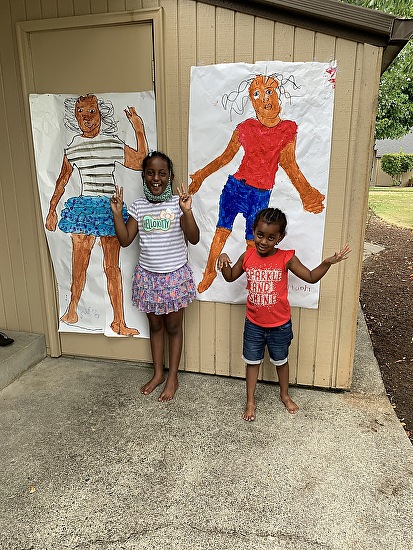
When the pandemic started I began writing letters to two African American children who call me Grandma. Over the summer I spent Thursday afternoons with them engaged in science and art projects. They practiced soccer moves and played with hula hoops. We had fun, though the protests hung over their heads for they were afraid their parents would be harmed. Following is a letter I wrote to explain what happened to African American people when they came to the United States.

#17

Dear Hanan and Mirna,

Over the summer you watched very scary protests that started when George Floyd was killed by police. People were angry and marched in the streets shouting, “Black Lives Matter.” This was not the first time protests occurred in this country. I’ll tell you what happened years ago.

Life Rolls with Hope

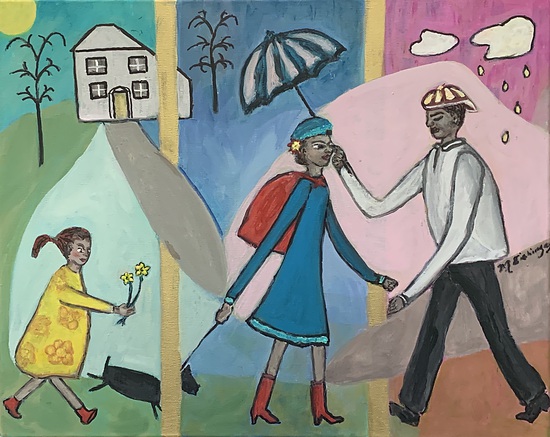
Can you guess what this picture is about? The man on the right side walks under a rainstorm of tears. He holds an umbrella to protect his wife from getting rained on by sad and mean things that make them cry. The little girl behind the dog is happy walking in the sun. She carries yellow flowers bringing hope for a better future. That is what protests are about. People coming together in marches to ask the country to be kind and fair to everyone. It started with the Civil War.

When I was in elementary school, I learned that men and women captured in West Africa were sold as slaves to work on cotton plantations and in their owners’ homes. A lot of people were sold into slavery, though not everyone thought it was a good thing to do. Differences in what people thought about slavery brought about a deadly war. A civil war is a war where people in the same country fight with each other. In our country, states in the North fought against eight slave states in the South that wanted to break away to become a new country called the The Confederate States of America. Millions of people died or were hurt by the fighting and the South was left in ruins.

Everyone knows that the North won, the country stayed united, and the constitution was changed to free the slaves and make them citizens. The Civil War ended in 1865, over one hundred years ago, before I was born. But prejudice and privilege do not die easily. 

Most people in the South didn’t like what happened and stayed angry at the North. Though they lost the war they let the Confederate flag continue to fly over their buildings. They didn’t want freed slaves voting, competing for jobs, living next door, or going to go to school with their kids. They made laws that sent Black and white children  to different schools. They used different bathrooms, drank from different water fountains, and shopped in separate stores. Southerners made it difficult for freed slaves to vote. Many fled the South and went to cities in the North where they thought life would be better.

Seventy years ago, we called people who came from Africa “colored people” or “Negros” not Black, Brown, African American or people of color. I will use the world colored until the country changed again. There was one colored girl in my elementary school class who lived in a segregated (that means separated) part of the city not far from my house. I lived in an all white neighborhood where  busses arrived in the morning full of colored women coming to work for white families. They took care of  their children, cooked and cleaned their houses. 

Our family’s maid was a woman name Ruth who worked for my parents until she was very old. Ruth became a good friend of my mother’s, though they never went out together and Ruth was always considered a servant. The men mostly worked in factories, the post office, and did odd handyman jobs. Ruth’s husband sometimes cut our lawn and painted the house.

My mother didn’t let me to play with colored children. I was friends with a girl who lived a few blocks away and sometimes went to her house to play with dolls. But, when my mother found out, I was stopped from going there. Though I was only eight, I became angry at her and hurt for I knew what she did was not right. My father never said a bad word against the colored people he treated in his medical office. When white people left the neighborhood and only colored people moved in, he stayed, unlike other white doctors who moved away.

By the time I was in my twenties, a man named Martin Luther King organized peaceful protests against “Jim Crow Laws” that started after slavery was abolished. Jim Crow wasn’t a real man. He was invented by a white actor,  a minstrel who painted his face black and pretended he was a dumb, clumsy slave who jumped and sang to his master’s commands. His jokes made fun of colored people and the name Jim Crow stuck in people’s mind. They started using it when they talked about laws that were unfair to colored people. Northerners and some southerners did not like the way they were being treated.

Change occurred in 1955 when the Supreme Court told states to integrate their schools. More than half the people in the North thought it was the right thing to do, but only 13 percent in the South, which isn’t many, agreed. Southerners did everything they could to keep schools segregated. Courageous colored students in the South who registered at white schools and universities were met by mobs when they tried to enter. It took a lot more protesting to bring about change. 

The states were told to get rid of segregated schools when the Supreme Court passed a ruling in 1968. To hurry the process along, the court told the states to bus children from one neighborhood to another to mix the races. By 1988, forty-five percent of African American students in the United States were going to a mostly white school.

An African American friend told me recently, that when he was bused in fifth grade, a white third grade girl swiped her hand over his face to see if his color rubbed off. He pushed her away, causing the girl’s older brother to start a fight that ended in both boys being suspended. That was not a good first day at a new school. My friend and his buddies thought the white boys they met in school were weird because they were always saying bad things to them.

While schools were being desegregated, people started  protesting against Jim Crow Laws. In 1968, over 250,000 activists, more than all the people who live in Vancouver, marched on Washington to ask for civil rights. The nation tuned in to hear Martin Luther King Junior speak about his dream for a better America. Though the marches he led were peaceful, there were also riots and shootings like the ones we saw on the news this summer. Some of  people were poor and broke into stores to steal, but most people knew that wasn’t a good thing to do.

 It took courage to speak out and go to jail for what was you know to be right. Rosa Parks wouldn’t give up her bus seat to a white man and was arrested. She started a bus boycott that went on for over a year. Four college students in North Carolina sat at a white only Woolworth lunch counter waiting to be served, and seven Black and six white Freedom Riders went south to protest segregated bus terminals. 

Martin Luther King and Malcolm X, who lead the Nation of Islam and the Organization of Afro-American Unity, were killed fighting for freedom. White and Black people fought side by side for change. The way we spoke about people with dark skin changed. Instead of saying colored and Negro, we started saying Black, Brown, African American and People of color so I’ll change the way I write now.

But, not everyone liked the change. Ruth, the woman who helped raise me, grabbed me one day and pointed to her arm. “Is that black?” she demanded. “I’m not black. My skin is brown. I’m colored. You’re white.” Boy was she angry. She didn’t like being called African American any more than I want to be called English or Lithuanian American. She was American through and through.

My friends went south on Freedom Rides to protest unfair laws. I didn’t go because I had a new baby. When the Civil Rights Act of 1964 was finally passed it said that people couldn’t be turned away from jobs because of race, color, sex, religion or country of origin. I remember having to take a reading test the first time I signed up to vote, but the Civil Rights Voting Act of 1965 put an end to that. Three years later the Fair Housing Act gave everyone an equal right to housing.

See, my grandchildren, good things happen when a lot of people speak up. When people sit back and are silent it is possible to go backwards. Now that busing is not required, children are again sent to neighborhood schools that are not equally good. Since colleges no longer push to diversify, students of different races don’t get to meet and know each other. Public schools are more segregated now than they were 30 years ago. And though many white people didn’t realize how badly people of color were treated by the police until George Floyd’s death was caught on camera, they finally woke up.

You girls should feel proud at witnessing streets filled with all kids of people standing side by side to protest Black lives matter. I wanted to take you to a march so you could see how many people care about making things right. I didn’t because of the Coronavirus pandemic, thinking it better not to be in a crowd. But remember these times. You will benefit because the protests will make the  country more fair. 

Many police departments are already changing the way they interact with people. Police officers are getting trained in how not to be racist and how to help those who are mentally ill. Organizations and clubs are changing membership requirements so anyone can join. Businesses are looking at ways to hire more people of color. Good things will come as a result of the ugly things you watched on television, and one day you will tell your grandchildren about them.

A great many African Americans came to the United States after slavery was abolished. Your parents are from ancient people with Ethiopian and Somalian ancestors who were never slaves. They lived in families that cared for their children but had to leave when it became hard to earn enough money to live and because of tribal fighting in Somalia.

Though you were born here after slavery, because of the color of your skin, you are lumped together with descendants of slaves. It is important to understand that they grew up with problems that are different from yours. Their great grandparents were often misused and sold so they couldn’t stay together and they saw their children taken away and sold into slavery. They don’t know what country their ancestors came from and they were told that because they were captured, became slaves, and weren’t allowed to get educated, that they weren’t smart. That is very mean and also not true.

Prejudice is wrong, so don’t pay attention to people who bully and say bad things because of the color of your skin. Hold your head high and be proud of who you are and where you came from. Think about where you are heading. It is up to you to become what you want to be. Your future will depend on how much you study or train, how willing you are to work hard for what you want, and if you are a kind, good person. You can be president. You can fly to outer space, be a doctor here on earth, or become a world famous chef. You can marry whomever you want to and live wherever you can afford to live. You have the right to be you and to be loved for who you are—the best girls in the world.

Love, 

Grandma

References:

Teaching Tolerance editors (2004) Teaching Tolerance. Brown vs. Board of Education Time Line of School Integration in the U.S. . retrieved from https://www.tolerance.org/magazine/spring-2004/brown-v-board-timeline-of-school-integration-in-the-us

History. com editors (2020) Civil rights Movement time Line. History. retrieved from https://www.history.com/topics/civil-rights-movement/civil-rights-movement-timeline

History .com editors (2020)Civil War. History. retrieved from https://www.history.com/topics/american-civil-war/american-civil-war-history

#Know Yourself

Though it is not what we wished for, we are propelled through a pandemic that provides us with the gift of time. It is a gift that puts us alone with our thoughts, letting us contemplate about our past and the world around us. Are your thoughts comforting, frightening, insightful? Since most days pass less frantically, we have time to get to know ourselves better. Are you pleased with what you’ve discovered? Are you satisfied with your life? Do you look forward to the future and curious as to how you will adapt?

Saying hello to yourself can be an enlightening if somewhat conflicting experience. It means coming face to face with many things that define you? There will be things you are happy to acknowledge and celebrate and hidden parts you wish would stay buried forever. As you dig to find the essence of your being, it’s human to ask if you are like what you uncover. Once you accept who you are, you can lay plans to bring about the tomorrow you crave.

In June, as the weather warmed we looked forward to summer in hope that strands of virus would fly away like kites in the wind. We were surprised when to realize that Coronavirus had thoughts of its own. Though most of my friends were managing well, they were tired of communicating through ZOOM and ached to hug  family and friends. Everyone wanted the pandemic to end.

FLYING HIGH

But it didn’t. So, we had to adjust and get into a rhythm that would last for many more months. Some occupied themselves by gardening, writing or painting. Energetic neighbors repaired roofs, painted walls, cleaned drains, and fixed broken windows. Those who were sports minded took long runs, bicycle rides, and hikes through the woods. People slowed down, relaxed, finding beauty in nature and peacefulness in silence.

SILENCE

In the midst of adjusting, a loud blast started a fire burning in our hearts. We felt injustice in a country that treats people unfairly. We saw images of hungry families standing for hours in food lines and passed homeless tents that seemed doubled in number. The sights were ones previously relegated to the Great Depression. Gun shots, lies, divisiveness, and news clips of police brutality kept us awake at night. As we watched buildings looted and set aflame the future no longer seemed beautiful and hopeful. Downtown streets shuttered and abandoned while citizens cried out to be heard. I felt bleak and drained. You told me that you felt sad and miserable. Those raised to think the world was getting better, cried tears in empathy and distress.

THREE SUNS

But, though I was disturbed, I experimented with a new style of painting, finished writing my third book and was engaged in science and art projects with two young immigrant children who call me grandma. Despite wearing masks, I enjoy having neighbors visit on my front porch and am pleased that I’ve gotten to know them better. Solitary walks in the forest give me time to think and decide what I am going to do and write about tomorrow. There is so much I want to accomplish.

The seeds of change being planted throughout the nation bode well for the future. Discussions and legislation moving forward will reform community policing. There is a heightened recognition that additional resources are needed provide social and health services for the mentally ill and physically addicted. Organizations and clubs started making changes in their policies in order to increase racial diversity among members. Several people stopped their cars at dusk to offer assistance to an African-American friend of mine whose bicycle tire was flat. Before they would have given him wide berth.

Social media sites have acknowledged the damage that happens when lies and falsehoods are spread for political gain. Best of all, they are doing something about it. High schools are teaching students to fact check and question what they read in texts and on Twitter, Instagram, and Facebook. With so many lies “whispered down the lane,” it is hard to know what to believe. Teachers tell students that it is up to each one of them to delve into what they read and find the truth. They have the time.

No longer silent, people spoke out when the postal service was undermined by those who want it privatized and want to create distrust in the results of next election. Health professionals learned to spread their reach by communicating to patients online. And, electric cars are being purchased in record numbers despite oil companies getting access to drill in the Arctic. Oil is on the way out. Young people are participating in politics and are active in the environmental movement. Though last week, the EPA reduced air pollution requirements to make it easier for coal plants to operate, I don’t think people will let it slide through without a fight. Coal is on the way out.

Yes, we will get through this pandemic and one day it will recede to the back of our minds like a dream, but not without changes. New jobs will be created for those who will continue to work from home. With fewer cars on the road I imagine road rage and pollution will decrease. Web based health care will continue.

People will learn how to adapt to change or perish. It is not alway easy, but eventually they will start to look beyond today and reimagine the future. As you get know yourself better and consider what you want to do next, use the blank canvas the pandemic provides to create opportunity.  Sequestered, with no one to tell you what to think or do, there is much to decide.

GALLERY

To see art go to Eichingerfineart.com. For information you can contact me at marilynne@eichingerfineart.com.

#Labor Day in the Woods

Western Red Cedar

Labor in the Woods 

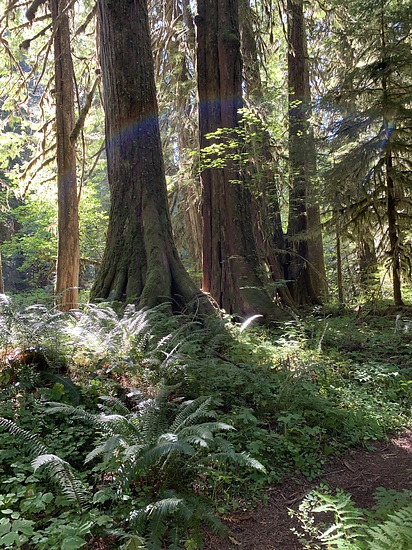
A few days ago, I went to the Gifford Pinchot National Forest in Washington to explore old growth Cedar trees for a picture I was painting. It seemed like a perfect way to celebrate the last days of summer and acknowledge the coming of Labor Day, a holiday that reminds us that the weather will start to cool and rains will come to drench the Northwest. As soon as I started up the trail, my mind was transported back to a time when the entire coastal region looked like the forest I was in. My imagination went wild with the thought that people once lived and labored in the woods I traversed.

It had been many years since I walked past trees as old as 1,500 years and I was overcome by earthy, woodsy smells that somehow felt warm and reassuring. I gazed at sphagnum moss hanging from limbs and the variety of green mosses blanketing lower trunks and roots. I felt good knowing that mosses harbor cynobacteria that convert atmospheric nitrogen into a form that can be used by other plants.

Gifford Pinchot is one of the oldest national forests in the United States. Its 1.32 million acres include 198,000 acres of old growth pockets along the western slopes of the Cascade range between Mount Rainier and the Columbia River. Dense wooded areas benefit from a abundance of rainfall and a network of streams fed from glaciers on Mount Rainier, Mount St. Helens, and Mount Adams.

Coastal natives were fortunate to live a place that served their needs so well. Tribal members labored together and didn’t have to travel far to acquire the food and materials for shelter needed. Washington tribes were wealthy in comparison to other Native American communities. With natural bounty around them, they became successful traders who traveled up and down the coast bartering their wares. During the winter months they had time to relax and develop their artistic culture Artisans were employed to carve totem poles and make masks for story tellers to use by the fire in front of mesmerized children. Women worked on beaded moccasins, wove baskets and made festival garments.

Together they built communal houses made from thick cedar planks as long as 100 feet. It must have been difficult to fell massive trees and split them into planks using beaver teeth and stone axes. Healers harvested medicinal plants. Women and children collected berries and tubers while men hunted elk and deer and fished in well stocked streams. The woods were full of species we now consider endangered. Natives heard the calls of spotted owls. They trapped beaver and easily caught  coho and steelhead salmon for smoking in preparation for winter.

Foragers split the inner bark of Cedar trees into fine lacings and ties and wove them to make storage bags, baskets, finely twined mats and rain capes. Some were woven into hats decorated with a red dye made from the tree’s shavings. Twigs were boiled and sprinkled on hot stones or brewed into tea to relieve symptoms of Rheumatism. Large trees were hollowed to make canoes that could hold up to fifty people. They were strong enough to travel the length of the Columbia River and withstand battering waves of the ocean. The labor they performed was always in harmony with the land.

In 1855, the Klikitat, Palus, Wallawalla, Wanapam, Wenatchi, Wishram, and Yakama peoples signed a treaty that gave up ancestral lands that amounted to one quarter of the state of Washington. The Confederated Tribes agreed to live with the Bands of the Yakama Nation on a reservation with off-reservation resource rights. In 1916, the treaty was broken when the Washington State Supreme Court ruled that hunting and fishing off-reservation had to be done in accordance to state fish and game laws. It was no longer possible for Native people to live as they did generations earlier.

The reservation in eastern Washington is barely able to sustain itself. Its economy does not function well with timber sales down and unemployment at 73 percent. Tribal members live in extreme poverty. Health care and housing are inadequate, schools are failing with a high drop out rate, and the family unit is often non-existent. The women are twice as likely to be abused as the average Washington female and teens are more likely to commit suicide or die a violent death. COVID-19 has hit the Yakama Nation exceptionally hard, forcing them to postpone community gatherings.


As we approach Labor Day, I feel sad that we turned a proud people with a rich heritage into a shell of what they once were. Labor Day was started in 1882 to protest deplorable working conditions. The communal way of life that the Yakama Tribes thrived under is no more. Their working conditions are shattered and they are no longer able to sustain themselves. It is difficult to celebrate labor when it has to endure such a dire situation. As we recognize the importance of the men and women labor for their living, and hear the concerns of American workers, let’s not forget the people on reservations who need their world to be made right.

References:


Maxfield, D. (2016) 9 Revealing Stats that Show the Breakdown of Yakama society. Sacred Road Store. retrieved from https://sacredroadstore.com/9-revealing-stats-that-show-the-breakdown-of-yakama-indian-society/The

Yakama Tribal Council. (2018 )Proposal for an AmeriCorps program. retrieved from https://www.nationalservice.gov/sites/default/files/grants/17TN195273_424.pdf

Sager, J. (2020) 10 Fascinating Things You Probably Didn’t Know About the History of Labor Day and the Labor Movement. retrieved from  https://parade.com/1081089/jessicasager/labor-day-history/

Art is always for sale: Western Red Cedar is mixed media on acrylic with a canvas base/ 16″ by 20″ / $ 375. For information contact me at marilynne@eichingerfineart.com.

I enjoy hearing from you. Do comment below.

Don’t Fence Me In

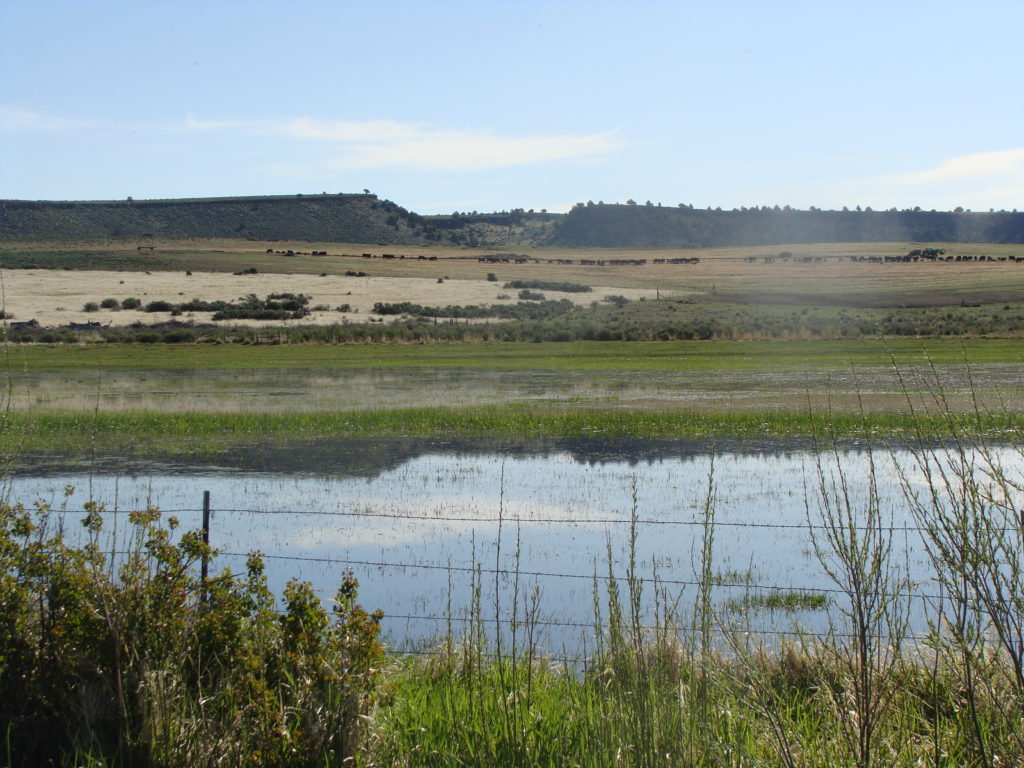
Eastern Oregon Contemplative 

Oh give me land lots of land under starry skies above. . . Don’t fence me in.

Let me ride through the wide open country that I love. . . Don’t fence me in.

Let me be by myself in the evening breeze, Listen to the murmur of the cottonwood trees 

Send me off to forever but I ask you please. . . Don’t fence me in.

I grew up listening to Gene Autry and Roy Rogers sing “Don’t Fence Me In.” The song was written in 1934 by Cole Porter with lyrics from a poem by Robert Fletcher. It was in the repertoire of many artists including Bing Crosby and Willy Nelson. There’s a yearning in the words, a desire to be left alone to travel with your thoughts. The song is a sad reminder of a bygone era, for there’s hardly a place in the country that isn’t bounded by fences.  

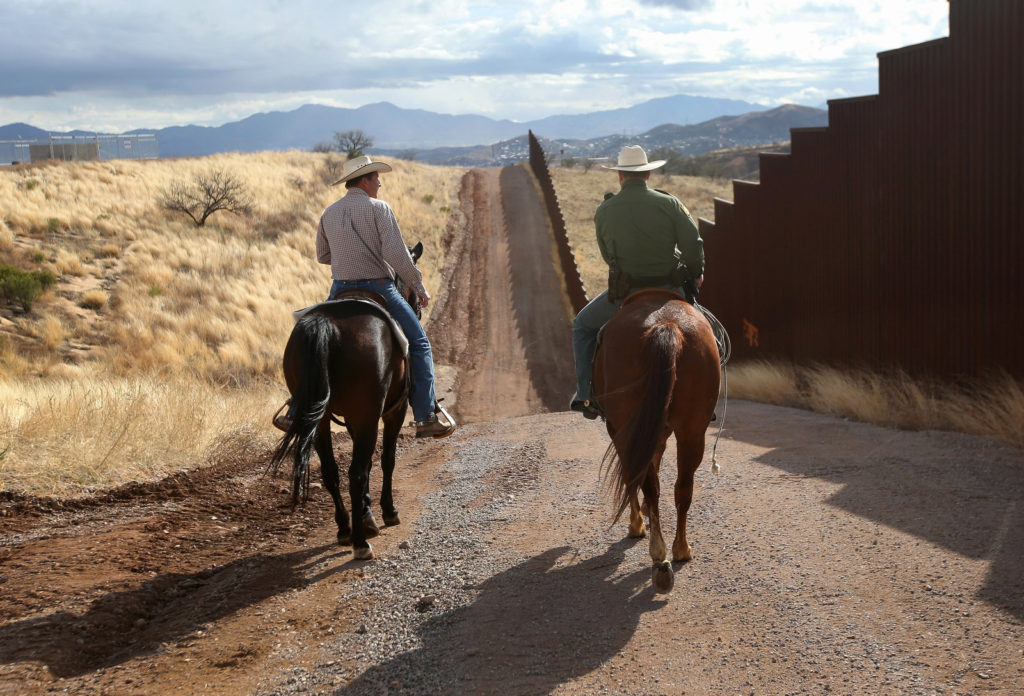
In a push to keep foreigners out, 700 miles of a proposed 1,933 mile fence have been erected on our southern border. Fences crisscross vast areas of fertile prairie lands, high deserts, and the treeless plains.In cities fences isolate people in gated communities to keep undesirables off of private property. Those with money build houses in walled wealthy ghetto areas far away from those living in minority and poor ghetto slums. They purchase ranches in Montana that they enclose with barbed wire fences. The wide open spaces are sprinkled with no trespassing signs and guarded by armed owners.

In poorer neighborhoods, gangs form invisible fences around housing projects and city blocks. Graffiti, a type of no trespassing sign, marks dominance over territory or turf and advertises power. The markings make everyone who live in the neighborhood vulnerable to drive-by shootings by rival gangs.  Rich and poor alike, find ways to segregate themselves within boundaries that keep “others” away and reduce their right to roam freely. 

Though most Americans were taught otherwise, pre-Columbian Americans did own property. They were primarily farmers, not hunter-gators as was often depicted, with property owned by households, temples or urban nobles. Forests and deserts belonging to an individual or community were regulated common areas where local people could gather wood, berries and game. Iroquois and Algonquian women commonly owned maize fields that many people farmed, collectively distributing the harvest.

Cambridge Commons in 1808-Harvard College on the left and Christ Church on the right.

Native and colonial clashes occurred when colonists allowed livestock to roam freely and disrupt forest ecosystems that had provided food for Native peoples for generations. In the West, singing cowboys pushed herds of cattle across the land and homesteading farmers destroyed Native hunting, agricultural, and foraging grounds.

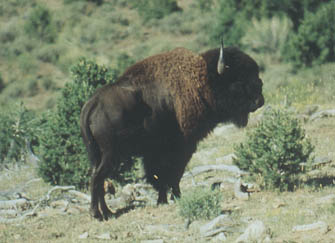
Over 50 million buffalo roamed from Mexico to Saskatchewan until the Army promoted hunting them to provide jobs for Civil War veterans, to supply meat for railroad workers, to make it easier to raise cattle, and to eliminate food and material sources for the Indians. By the late seventeenth and early eighteenth centuries fenced in family farms and cattle ranches had taken over the plains. 

American citizens were told that Indians didn’t have rights to land because they lived nomadically and didn’t own property or have property rights. This falsehood was spread by John Locke and years later endorsed in novels by Ayn Rand and displayed in biased Hollywood movies that focused on the plains Indians whose complex economic and social rules centered on the horse culture.

The Pueblo Indians practiced agriculture and were never nomadic so their households possessed land and owned homes. The Iroquois rotated living quarters among several locations considered best for farming and hunting. Communal property was often possessed by a group or tribe. When it was sold, the chief negotiated rights to the soil.

John Locke’s writings were heeded when he asserted that ownership of land could be obtained by one of three methods;

  1.  Homesteading it via fencing it in, protecting it, and proclaiming that it is under    your ownership.
  2.  Acquiring the property title via voluntary transfer.
  3.  Claiming abandoned land by adverse possession: move on it, fence it, mix one’s labor with it, etc.

Adding labor to a parcel of land was all it took to make it yours. Indians had no claims to property because they didn’t improve their land by planting trees or fencing it in to limit its use and preserve value for its owners to sell in the future.

As land use laws in the late 1800s privatized the country amidst those who pushed back to keep some areas available for common use. The National Park Service was started in 1872 when it established Yellowstone National Park in Montana as a “public park or pleasuring – ground for the benefit and enjoyment of the people.” Since then, additional parks and monuments were carved from federal lands, mostly in the West. Today, there are over four hundred parks covering 84 million acres in 50 states and territories. Sadly, these parks are not wide open spaces where we are allowed to roam freely. There is a fee to pay and rules to obey that are set by the Department of the Interior.

Though 331 million people visit the national parks annually, many Americans oppose the idea of preserving public land. Since taking office, President Trump opened up 2 million acres for mining inside national monuments. Last week he finalized plans to open up part of the Arctic National Wildlife Refuge in Alaska to oil and gas development, overturning six decades of protections for the largest remaining stretch of wilderness in the country.

To get away from fenced in properties, gated communities, ghetto areas, and middle class neighborhoods visitors have to make appointments to camp in parks where they are instructed to stay on designated trails when they get there. Though cowboys still sing with gusto about wide open spaces where they’re not fenced in, their yearnings are not heeded.

References:

Gershon, Livia, (2019) Yes, Americans Owned Land Before Columbus. JSTOR, Business & Economics. retrieved from https://daily.jstor.org/yes-americans-owned-land-before-columbus/u

McMaken,R (2017) Did the Indians Understand the Concept of Private Property?  Mises Institute. retrieved from https://mises.org/wire/did-indians-understand-concept-private-property

Quick History of the National Park Service. National Park Service web site. retrieved from https://www.nps.gov/articles/quick-nps-history.htm

Prentice-Dunn, J. (2018) President Trump opens 2 million acres inside national monuments to mining. Westwise. retrieved from https://medium.com/westwise/president-trump-opens-2-million-acres-inside-national-monuments-to-mining-771917557aa4

Plumer,B & Fountain,H. (2020 ) Trump administration Finalizes Plan to Open Arctic Refuge to drilling. New York TImes. https://www.nytimes.com/2020/08/17/climate/alaska-oil-drilling-anwr.html

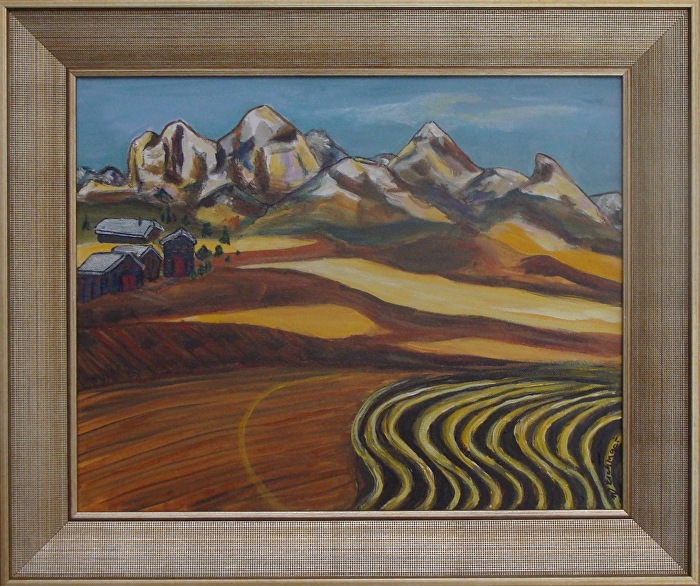
Works of Art are always for sale. Eastern Oregon Contemplative / Acrylic on Canvas/ Gold Frame/ 21” by 25” / $ 389

Bunnell,D (2015) Buffalo Holocaust. M. Retrieved from https://medium.com/@davbunnell/once-there-were-50-to-100-million-buffalo-they-were-the-most-numerous-large-mammals-to-ever-exist-e01a5bca9ed8

#Thinking as a rock wall

Rock Creek Awakens

The ability to think critically, imaginatively and creatively is core to our humanity. Yet, the way we go about thinking differs. Divergent thinkers commonly use imaginative techniques while convergent thinkers depend on logic. Lateral thinkers  use both convergent and divergent ways to solve problems. 

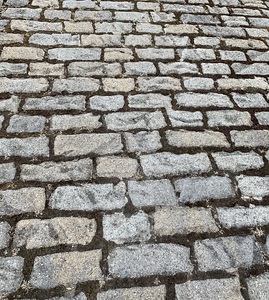
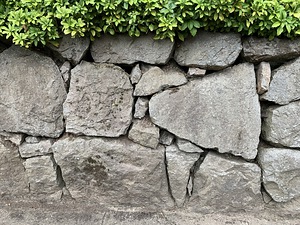
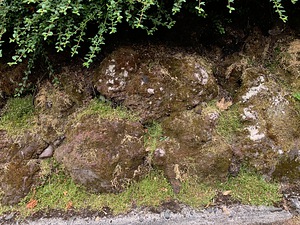
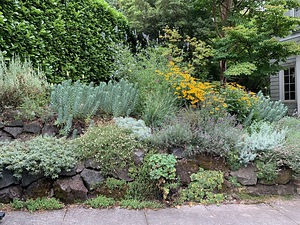
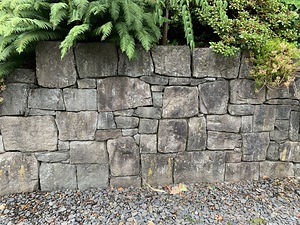
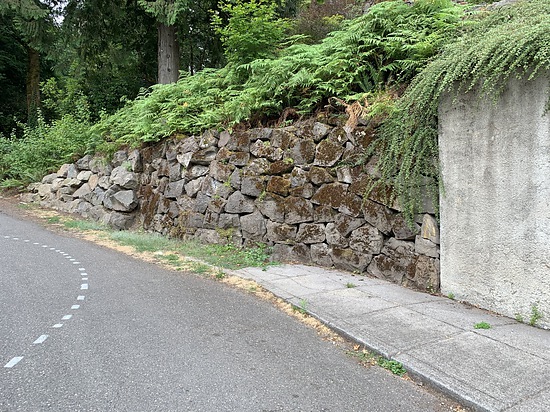
Examining walls on my walk through Portland neighborhoods makes me think about the way we construct our lives. I spoke to a few home owners who confirmed my suspicion that their walls mimic their thought processes, and, though my study is flawed since my sample is too small, there may be some truth to what I saw. The walls remind me that we spend our years putting puzzles that together help us stand firm and strong. The pieces we pick up are of varying size with some hard with jagged edges while others are soft. They often are intertwined and get pulled apart to be reassembled according to the way our brains work. 

As toddlers, we ascend steps to quarries filled with hard, solid pieces that were shaped through the ages. We approach with parents by our side holding our hands until we are old enough to carry a load out and assemble the pieces on our own. At first we step cautiously, not sure of what we will find or if we will be able to grasp and hold on to misshapen forms. We’re attracted to marble that sits shiny on top reflecting sunlight but notice vulcanized lava hiding below in dark, dreary crevices. It makes us afraid. We want to dig it out and throw it away.

 When older, we are anxious yet excited to go by ourselves to gather the pieces we need for our puzzle. We start by following the path our parents set out for us, but when the time is right we begin to think on our own and start to gather, shape  and build the puzzle as we want it to be.

 Some of us cut the pieces in squares and rectangles, making neat edges so they can easily be piled on top of one another and arranged in ridged formations. Those a bit more venturesome try circles. 

 No matter, for our convergent thinking leads us to set each shape, size and color in a designated place that follows lists, goals, and maps we laid out in advance. As the puzzle comes  together we examine it  carefully and see to details to make sure nothing is out of place. Odd shaped pieces are chiseled until they fit correctly—comfortably.

When an unexpected piece suddenly appears to  disturb the layout, we are upset until we find a way to put the pattern in order again. We tie them together with mortar so they won’t stray. Their rigid structure makes us feel secure. It defines what is write and good, not wrong and evil, and let’s us know how powerful we are, how perfect.  It holds us and lets us stand atop its strong foundation. 

Then there are those of us who don’t think in  straight lines, but diverge to explore many possible solutions. Though we see the big picture, to get there we let our imagination go wild and select pieces randomly until patterns emerge.  We view each heavy bolder and light pebble as unique and look for unusual ways to join them together so they’ll be sturdy enough to create a pleasing whole. Odd shaped holes are no bother for we know the puzzle will get filled in over time with the random chinks that we trip over as we walk. They are gems to be collected so that when their wisdom is revealed they give meaning and to our puzzle.

Some of us view what we do as organic for we blend hard objects of varying shapes and sizes and intermingle them with soft plowed earth and fragrant wild flowers. Though our divergent  method may appear chaotic, it really fulfills the same goal as that held by convergent thinkers. Our random approach creates a beauty that differs, is all. 

Many of us are hybrids who think outside the box—using a little of this and little of that. Our approach is indirect and creative, not immediately obvious and can’t be obtained by traditional step-by-step logic. By the time we are finished with our puzzle we’ve combined different shapes and sizes and made sure they fit tightly together.

Life’s task is to put our puzzle together so we can build a structure that will stand firm in the wind. Linear or convergent thinking  uses logic, rules and rationality to solve problems. It is a thought process that follows known cycles or step by step progression.  A response must be elicited before the next step is taken. Linear thinkers use a singular thought process leading toward completion while ignoring possibilities and alternatives. It is focused, sequential and methodical. 

Divergent Thinking is used to generate creative ideas by exploring many possible solutions. It tends to be free flowing and spontaneous. After exploring many alternative ideas, unexpected connections are drawn that are used to satisfy goals.

Lateral thinking, first coined by Dr. Edward de Bono, solves problems by using both and indirect and creative approach. It likes between classic step-by-step problems solving and brainstorming. It uses reasoning that is not immediately obvious and often pursues ideas that are not obtainable. It is what is mean when asked to think outside the box. Lateral thinkers start with a known idea with the goal of creating new ideas.  To do so they look for possibilities and alternative ways of solving problems. There may be starts and stops as they go down dead end paths before trying another approach. When an idea takes form it is usually plugged into linear plans.

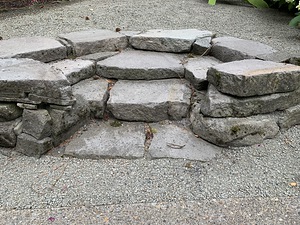
The picture below is the wall to an 60 year old house that had several owners, three of whom added to the structure.  It is interesting to surmise the thought processes the three used to built their lives.  

References:

Teachthought Staff (2018) Three Modes of thinking: Lateral, Divergent & Convergent Thought. Teachthought. retrieved from https://www.teachthought.com/critical-thinking/3-modes-of-thought-divergent-convergent-thinking/

de Bono,E. . What is Lateral Thinking. Dr. Edward de Bono’s web site.  retrieved from https://www.edwddebono.com/lateral-thinking

Team ZipRecruiter(2017)  How Lateral Thinking Can Help Your Career. Columbus Dispatch. retrieved from https://www.dispatch.com/ZZ/news/20171117/how-lateral-thinking-can-help-your-career

Lluks, H. MD (2017)Vertical vs Lateral thinking in Healthcare. retrieved from https://www.howardluksmd.com/medical-social-media/vertical-vs-lateral-thinking-in-healthcare/

What type of thinker are you. Do comment on my blog below.

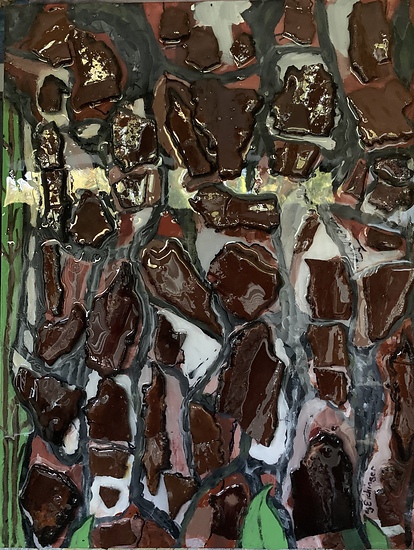
Sorry but Rock Creek Awakens is sold. To see other work go to eichingerfineart.com.

#Trees

I think that I shall never see
A poem lovely as a tree.

A tree whose hungry mouth is prest
Against the sweet earth’s flowing breast;

A tree that looks at God all day,
And lifts her leafy arms to pray;

A tree that may in summer wear
A nest of robins in her hair;

Upon whose bosom snow has lain;
Who intimately lives with rain.

Poems are made by fools like me,
But only God can make a tree.

—From “Trees” by Joyce Kilmer

There once was a woodsman who worked very hard but was never content. One day, a old hermit saw him in the woods and the two men got to talking. At the end of a pleasant hour, the wise man revealed that he had special powers and would grant the woodsman three wishes. He was told to call out “Raven, Raven, Raven” and he would come to grant his wish. The woodsman thought for a moment and said, “I want a wish now. I am lonely and would like a wife to share my bed and keep me warm  at night.”  

That evening, on his way home from work he passed a maiden traveling in the same direction. She had long hair the color of a red pine tree that sparkled in the sun. They smiled at each other and fell instantly in love. The couple got married and before long they had five children, three boys and two girls. After the birth of their fifth child, the woodsman’s wife complained that they needed a larger house, one that reflected his improved station in life, for he had become a lumberman who wore a shirt and tie to work. 

  The woodsman remembered the hermit he met in his youth. It had been a long time since their last meeting but he called out to see if he was a man of his word. ”Raven, Raven, Raven,” he cried and the old man appeared in his office. “My wife complains that the roof over our head is too small,” the woodsman said. “I need a house that make her happy and impress my business partners.

That evening when he returned from work, his wife gave him a smile as she did when they first met.  She stood in front of a large red door with a brass knocker the size of his forearm.  The white mega mansion before him had eight majestic columns that supported a porch with rocking chairs and a rocking horse for their youngest child. Inside were five bedrooms and a dining room table made of the finest mahogany that was large enough to accommodate his family and friends. The woodsman and his wife were content watching their children grow, marry, and have children of their own.

One day, the woodsman looked in the mirror and saw wrinkles and hair that was grey. He \went to the office but could only work a few hours before  his back started hurting. It wouldn’t be long before he died, he thought.  He started to brood, drank too much, and complained about the unfairness of life to all who would listen. Sitting alone in his rocker one day, he remembered he had one more wish he could ask of the hermit. “Raven, Raven, Raven,” he shouted in a grumpy, demanding voice. 

The old man appeared at once. “What do you want now?” he asked annoyed. “You have a loving wife, a mansion to come home to, five children to give you grandchildren to bounce on your knee, and gold bars in your vault for retirement. What more could you need?”

“Use your magic to make me live as long as any living thing on earth so I can  watch life pass through the ages,”  he said.

In the blink of an eye, the hermit disappeared and the woodsman was turned into a 2,500 year old sequoia tree. He stood majestically by a trail in a western forest overhearing young lovers pass by and enjoying the feel of wind as it rustled its limbs. “I am the oldest and wisest tree alive in these woods,” he said to his neighbors. “I know all that is happening and watch people come and go as the years pass.”

Then, one day, a lumberman came by and saw the tree standing so taller than any tree in the woods. “Let’s cut it down, he said to his partner. We’ll make a lot of money and have firewood left over to bring home to our wives.”  And so they did.

__________

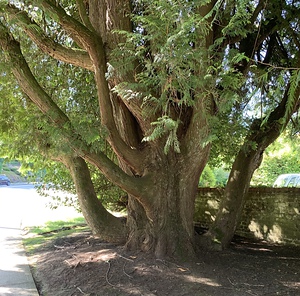
I love trees. Many of my walks are at the arboretum where I’m especially aware of the shape and feel of the bark of various species.  On narrow trails, it is difficult to look up at the crown of a tree without tripping on a root as I walk, so my eyes stay closer to earth. When I look around it is at head level where I take note of the trees’ bark.  I am surprised at how soft and spongy California Redwoods and Giant Sequoias feel to the touch as compared to native Douglas Fir trees. Some of the bark is dark with deep furrows like the lines that gouge an old person’s face while other bark is lined with long textured. 

 Do you remember studying trees in biology class? It’s good to remember how these beautiful organisms cool the earth with their shade and release oxygen so we can breathe. Trees absorb carbon dioxide and the heat-trapping greenhouses gasses human activities emit.  But, recent research shows that trees also communicate with each other. I wonder what they say as I walk by.

Best selling author and forester, Peter Wohlleben, in The Hidden Life of Trees: What They Feel, How They Communicate, was revolutionary when he wrote that trees of the same species are communal and form alliances with trees of other species. Botanists call his discovery of an underground fungal network the “wood-wide web.” They share water and nutrients through networks and communicate information about drought, disease and insect attacks. Distress signals are dispatched through hairlike root tips that join together with microscopic fungal filaments they use to send chemical, hormonal and slow-pulsing electrical signals that scientists are just beginning to decipher. They also communicate through the air, using scent signals. 

Trees alter their behavior when they receive distress messages. For instance, trees in Africa can make their leaves taste bad when giraffes start nibbling on nearby branches. Trees can loan one another sugars where there are deficits from seasonal changes which is particularly beneficial between deciduous and coniferous trees. Crackling sounds heard in the roots of some plants are inaudible to humans and have yet to be interpreted.

When Wohlleben attended forestry school he was taught that trees needed to be thinned, that helicopter-spraying of pesticides and herbicides was essential, and that heavy machinery was the best logging equipment, even though it tears up soil and rips apart the mycorrhizae. He worked this way for more than 20 years until he visited a few privately managed forests in Germany, which were not thinned, sprayed or logged by machines. “The trees were so much bigger and more plentiful,” he observed. “Very few trees needed to be felled to make a handsome profit and it was done using horses to minimize the impact.”

At the University of British Columbia in Vancourver Canada, Suzanne Simmard and her grad students study the sensitivity and interconnectedness of trees in the temperate rainforests of western North America.  They found that when a tree is cut, it sends electrical signals, analogous to pain, into its tissues. A group of scientists from Tel Aviv University also confirm that some plants emit a high-frequency distress sound when in environmental stress.  

Simmard  also identified some trees as hub trees, or “mother trees.”  Mother trees are the largest trees in forests and act as central hubs for the network below-ground.  For young saplings trying to survive in a shaded part of the forest, the network is a lifeline. Mother trees support seedlings by injecting them with a sugary fungi.  They change their root structure to make room for baby trees. Simmard says that to have resilient forests in an era of rapid climate change, large trees need to be conserved for they form the heart of a forest’s communication network and are the lifeblood of the next generation.

Forests compose over 30 percent of the world’s land area, but are disappearing at an alarming rate.  Between 1990 and 2016, 502,000 square miles were lost, an area larger than South Africa. Eighty percent of the Earth’s land animals and plants live in forests. Over 250,000 million people reside there and depend on trees for subsistence and income. 

Countries that preserve forest ecosystems give conservationists a reason to hope. In addition to reducing carbon emissions and deforestation, billions of trees need to be planted across the globe and a sprinkling of nations are heeding their call.  The Billion tree Campaign is managed by the nonprofit Plant for the Planet Foundation. Tree planing  is the biggest and cheapest ways of taking CO2 out of the atmosphere to tackle the climate crisis. But, we need to start now because it will take 50 -100 years to reach its full effect of removing 200bn tonnes of carbon.

Below is the ranking of the top 100 countries in terms of how many trees they’ve planted last year.

RankingCountryTrees Planted
1China2,407,149,493
2India2,159,420,898
3Ethiopia1,725,350,234
4Pakistan1,006,776,724
5Mexico789,307,032
6Turkey711,103,088
7Peru646,502,236
8Nigeria626,725,667
9Kenya534,680,609
10United States315,586,982

A society grows great when old men plant trees whose shade they know they shall never sit in.”

–Greek Proverb

KNOW YOUR TREES

There are five parts to a tree;

  1. Crown

The top of the tree is the crown, made up of the leaves and branches that come in many shapes and sizes. The crown has numerous jobs:

  • shades the roots
  • collects energy from the sun (photosynthesis)
  • keeps it cool by removing extra water
  1. Roots

Trees have a lot of underground roots — the size of the root system is usually as big as the part of the tree above the ground. This is essential because the roots help support the tree so it won’t fall over, but its main job is to collect water and nutrients from the soil and to store them for times when there isn’t as much available.

  1. Leaves

Leaves, part of the crown of a tree, convert energy into food, which is mostly sugar.  They contain chlorophyll which gives leaves their green color. Chlorophyll is a critical biomolecule, used in photosynthesis which leaves use the sun’s energy to convert carbon dioxide from the atmosphere and water from the soil into sugar and oxygen. The tree’s food or sugar is either used or stored in the roots, trunk, and branches. The oxygen from this process is released back into the atmosphere.

  1. Branches

Branches serve as support to distribute the leaves efficiently for the type of tree and the environment. They are conduits for water and nutrients and store extra sugar.

  1. Trunk

The tree gets its shape and support from the trunk which holds up the crown. The trunk is the main transportation water and nutrients from the soil and sugar from the leaves. The bark, cambium, heartwood, phloem, and xylem are the five different layers that make up the trunk.

The outer bark is a protective layer made up of dead cells, much like fingernails.  The inner bark, made of living cells, is mainly there to carry sap full of sugar from the leaves to the rest of the tree. The Cadmium is the layer of living cells inside the bark that makes new cells to allow the tree to grow wider each year.

Sapwood (Xylem) is a network of living cells that bring water and nutrients up from the roots to the branches and leaves.  In the center of the trunk is the heartwood. It is dead sapwood and is the hardest part of the tree, giving it strength.  Pith, in the very center of the tree has tiny dark spot of spongy living cells that carry essential nutrients up through the pith. Since it is in the center it is protected from damage by insects, the wind or animals. 

Folk tale is an adaptation of a story I heard years ago.   

References:

Grand, R. (2018)  Do Trees Talk to Each Other?  Ask Smithsonian. retrieved from https://www.smithsonianmag.com/science-nature/the-whispering-trees-180968084/

Nunez, C. (2019) Deforestation. National Geographic. retrieved from https://www.nationalgeographic.com/environment/global-warming/deforestation/

Stanton, K. (2019) Which Countries are Planting the Most trees? UnitGuide. retrieved from https://www.uniguide.com/countries-planting-the-most-trees/

Carrington, D. (2019) Tree planting ‘has mind-blowing potential’ to tackle climate crisis. The Guardian. 

https://www.theguardian.com/environment/2019/jul/04/planting-billions-trees-best-tackle-climate-crisis-scientists-canopy-emissions

Kahn, S (2019) A Group of Scientists Suggest that plants Feel Pain. The Scientist. retrieved from https://www.sciencetimes.com/articles/24473/20191218/a-group-of-scientists-suggest-that-plants-feel-pain.htm

I enjoy hearing from you. Please comment on my blog site below.

Art is always for sale. Contact me at marilynne@eichingerfineart.com

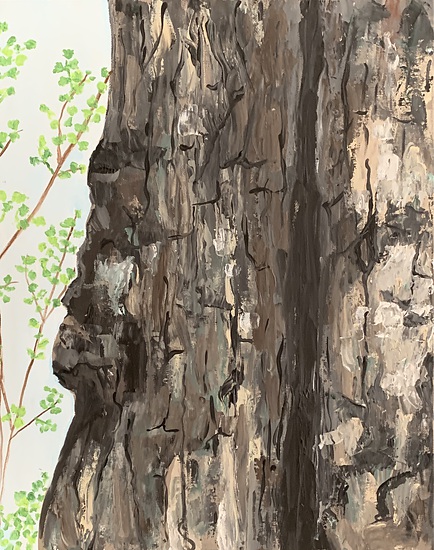
Japanese Red Pine is a mixed media piece that includes tree bark. It’s base is acrylic on deep canvas / 20” by 16” / $325.

The Maple tree is acrylic on deep canvas / 20” by 16” / $325.

#Pandora’s Box

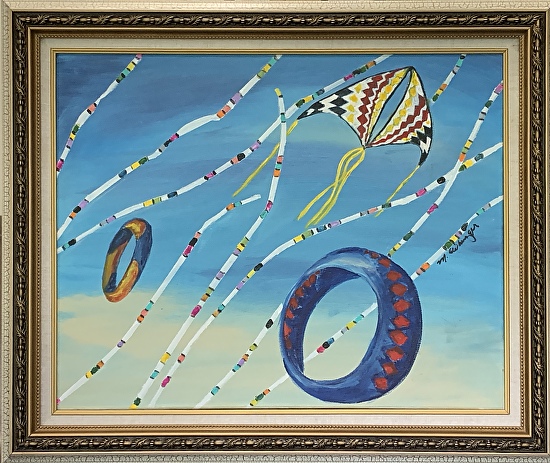
 Flying High (#4 of Coronavirus series)
Pandora’s Box is open, and it’s evil is free to fly alongside all that is good.

Pandora’s Box

The lid to Pandora’s Box is raised. Previously, a trickle seeped through holes some lawmakers tried to plug, but evil now rushes out and seemingly can’t be stopped. The pandemic flies out as nature’s way of demonstrating who’s boss. It is followed by poor leadership that helps it stay in power and multiply. It produced an economy in shambles with food banks stretched to the limit. People without jobs live in fear of losing their homes and being forced to shelter in cars or on the streets. Youth tired of isolation, party in crowds while religious zealots pray en-mass. Since ignorance and self-centeredness flew from the box at the same time, they don’t wear masks. So, illness increases, deaths rise, and hospitals are stretched to the limit. When boredom was released, social distancing collapsed and witch doctors with voodoo beliefs in medical cures contrary to scientifically backed research from the CDC, floated untruths heard by a leader more interested in money than health care.

Out of the box marched troops stirring up riots in Portland, a city where protesters had dwindled to fewer than 100. With hatred and power on the loose, the storm troopers escalated the situation until more than 2000 people protest nightly. The Federal troops withdrew from public view last Friday but are not leaving. On the 29th of July, the Justice Department said it would send law enforcement officials to Cleveland, Milwaukee, and Detroit.  Leaders in Portland, Seattle, Chicago, Kansas City, Albuquerque, and Washington sent a letter imploring Congress to make it illegal to send federal agents to cities where they are unwelcome. Chicago troops are buttoned down inside a federal building waiting for orders.

The virus and protests are nothing compared to how democracy has been eroded. They are simply distractions that hide what was set in motion years ago when evil began seeping out of Pandora’s Box. Finding the combination to unlock it has been in the works since the 1960s civil rights movement. Two books provide a roadmap to what is happening today.

Nancy MacLean, a Professor of History and Public Policy at Duke University, published Democracy in Chains: The Deep History of the Radical Right’s Stealth Plan for America after spending ten years doing in-depth research.She was on  a quest to find the origin of the far right movement.The book won many awards including the Nation’s “Most Valuable Book” award and it was a finalist for the National Book Award.

Watching troops deployed to Democratic cities and hearing Trump threaten to postpone the next election, demonstrate they way Americans are manipulated. Since he became president, distanced the country from democratic Allies, undermined NATO, pulled out of the World Health Organization, negated treaties around global warming, and threatened international trade. He befriended dictators and masterfully divided the country by distracting us with comments that instill hatred and fear.

What  we see today, is the result of years of brilliant, well-funded planning. Economist James McGill Buchanan at the University of Virginia put the wheels in motion in the wake of Brown vs. Board of education in 1955 by initiating a program aimed at  undermining the ability of the majority to use its numbers to level the playing field between the rich and powerful and the rest of the nation. Buchanan divides the country into “makers” and “takers” and trained a select group of students in how to convert Americans to embrace economic freedom for the wealthy.  

When the Koch brothers heard of his program they got involved  and made millions of dollars available to start think-tanks such as the Heritage Foundation, Americans for Prosperity, The Cato Institute, Freedom Works, ALEC, and the Reason Foundation. Each one focuses on a singular area—schools, courts, media, constitution, taxes, etc. The far right eventually took Republican party away from its moderate wing and the Federalist Society spun out Libertarian judges and had them appointed to the federal bench in record numbers.

Realizing that change had to occur slowly by subterfuge, they were patient. They set goals to privatize Social Security and Medicare, eviscerate the environment, control medical insurance and financial regulators, bust the unions, marginalize federal bureaucracies like EPA and CDC, cut taxes for the rich and corporations, and suppress voting rights. Plans call for an oligarchy in all but the outer representative form. With Mike Pence as Vice President,  a longtime loyalist was in the White House to work with like minded Republicans in the House and Senate, in State Governments and the courts. The pandemic gave them with two trillion dollars to spend as they wish. I imagine much of it is being used to prop up the stock market. 

James Buchanan was hired by Augusto Pinochet in Chile to help him rule. The arrangement provided him with an opportunity to try out his ideas. They worked well enough to keep a right wing dictator in power for seventeen years. During that time they changed the courts and constitution so that even though Pinochet was kicked out of office, the laws of the land continued to operate.

To succeed back at home, the group needed a voting block that would not get in their way, so they chose to bring in the religious right. Planners weren’t concerned about dogma as long as religious leaders got people out to vote. If someone wants to date a call girl or have affairs outside of marriage, they do so without worry. If a wealthy woman needs an abortion, she gets it. They lie, cheat, steal and travel in an insular world away from the masses.

The way the religious right is involved in the plan is spelled out in the The Family: The  Secret Fundamentalism at the Heart of American Power by Jeff Sharlet (now a Netflix film). I know several people who are members of The Family. They attend prayer breakfasts in Washington and subscribe their truncated “Jesus Plus Nothing” bible. In Jesus Plus is a selection of passages from the bible that support those who have  money and power. The book describes The Family as being the most influential religious organization in Washington. It is interwoven with the affairs of nations worldwide and rules through backroom diplomacy. It was instrumental in changing laws in Uganda that have Gays and Lesbians stoned to death. They brainwash dictators into believing they are chosen by God because of their wealth or position of power. The autocrats are told they can do nothing wrong for their sins will be forgiven in heaven. The people I spoke to who are (or were) on the inside of the Family, confirm that everything Sharlet discusses in his book is accurate.

Democracy in Chains and The Family  are well documented investigations, and should be read by anyone who wants to understand what is happening to the country. The planners are smart, secretive, and have been testing their ideas for over sixty years. They  have been meeting regularly with similar secret societies operating abroad. Americans should be terrified that Pandora’s Box stays open. We need to find a way to put the evil back in and close the lid again.

This fall, I plea with you not to sit back. Let your meditation lead to action. This movement cannot be willed away by chanting love and peace. Understand what is going on and get involved. Help change the leadership of the country. Make phone calls. Write letters. Talk with friends who don’t agree with you and seek common ground. This is a Democracy, and we each have the right to an opinion. Democracy requires us to fact check, and not react to emotions, hearsay or gossip.  Remember the quote from  Martin Niemöller during the Nazi rise in the 1930s.

First they came for the socialists, and I did not speak out—
     Because I was not a socialist.

Then they came for the trade unionists, and I did not speak out—
     Because I was not a trade unionist.

Then they came for the Jews, and I did not speak out—
     Because I was not a Jew.

Then they came for me—and there was no one left to speak for me.

That is how peaceful protesters felt who were pulled from their cars and off the streets of Portland and shoved into unmarked SUVs by an occupying military force.

References:

Klein, C. (2020) Trump is strong-arming Cities with Even More Federal troops. Vanity Fair. retrieved from https://www.vanityfair.com/news/2020/07/trump-strong-arming-cities-with-even-more-federal-troops-portland

France 24 (2020)Troops to deploy in three more US cities as federal forces begin Portland withdrawal. Americas. https://www.france24.com/en/20200729-troops-to-deploy-in-three-more-us-cities-as-federal-forces-begin-portland-withdrawal

Sharlet, Jeff.( 2020) Jesus Plus Nothing: Undercover among America’s secret theocrats. Hoper’s Magazine. retrieved from https://harpers.org/archive/2003/03/jesus-plus-nothing/

Farrant, A. & Tarko, V. ( 2019) ( James M. Buchanan’s 1981 visit to Chile: Knightian democrat or defender of the ‘Devil’s fix’?. Ideas. retrieved from https://ideas.repec.org/a/kap/revaec/v32y2019i1d10.1007_s11138-017-0410-3.html

Long, C. & Colvin, J .(July, 22, 2020) Trump deploys more federal agents under ;’aw and order’ push. Associated Press. retrieved from https://apnews.com/eaa951c352353133c0ea95c12fa05781

_____________

Feel free to forward article to your friends. 

And pease, do comment on my Blog Site.

Art is always for sale. Contact me at marilynne @eichingerfineart.com

Flying High – 20” x 16” plus frame / acrylic on canvas / $325

#Wings Set me Free

    Soaring by Marilynne Eichinger

Roots Hold Me Tight

There is a song I sing to life that has a phrase in it that says, “roots hold me tight, wings set me free.” Those words keep circling through my mind as the protests, riots, and brutal responses by federal forces keep me awake at night with flash grenades and helicopters orbiting overhead.  I lay in bed thinking about the roots that hold people tight and what it takes to acquire wings to be set free to soar.  And, I try to imagine what would happen if everyone was free.

My thoughts about roots coalesced quickly, for I believe people are held tight by love, pride, and prejudice.  My family held me close with their love. And, they indoctrinated me to feel pride in my heritage, community and country. That pride was strengthened by the prejudice some relatives expressed against people of color, those they labeled “white trash,” Germans who allowed six million Jews die in death camps, religious fundamentalists, and ignorant people who don’t question. By putting people down, they elevated our family to a higher plain. 

I imagine that love, pride, and prejudice in one form or another, hold most people tight during childhood. The wings that carry them to freedom are acquired over time by living fully. 

George Floyd’s murder shook many people free from root-bound prejudices about people of color and the legal system. It enabled them to fly over military forces through the lens of the media and see them attacking their own countrymen and women. It opened their ears to  what is being said in newscasts about injustices and slights to African-Americans. They’re taking stock of the perils of dictatorship and what happens when  leaders lie. 

I discovered freedom through studies in anthropology and psychology and by observing the way my physician father treated black, white, poor and middle class patients alike. I came to understood that people analyze what they take in through a lens that is unique to them and gained my first set of wings that let me soar high and look down  at the depth and breadth of humanity.  Science museums provided me with a second set of wings to send me staring into the universe until I realized I am less than a particle of dust in the grand scheme of things. 

Loosening shackles and flying freely brings with it responsibility. Breaking free from chains that cause doubts in your own abilities and living without fear of making mistakes requires you to be strong enough to make your own decisions. Yet, the freedom to love yourself, to pursue dreams, to travel to experience life fully, and to deepen relationships carries constraints. If every person was free without limitations or controls there would be anarchy. 

The Declaration of Independence, a document written to confirm that thirteen colonies were free from Great Britain did not acknowledge the land taken from the Native peoples already here. A person’s freedom can easily encroach on another person’s rights, which is why our country developed laws to govern based on democratic principles. Wings break, causing fliers to fall from the sky when rules are not honored.

My roots that are built of love remain strong, tight and nurturing, and when I find weak ones filled with pride and prejudice, I cut them off.  I use my wings to soar above the clouds occasionally, knowing I have a secure landing spot to return to after venturing forth. When flying, I’m aware there are others in the air and that the success of my flight depends on their success as well. 

Please share your thoughts on my Blog Site below.

Art is always for sale. Contact me at marilynne@eichingerfineart.com

Soaring-  acrylic on canvas / gold frame /  38” x 49” /  $750