Radical Uncertainty

 Heaven and Beyond 

Heaven in religious contexts is the abode of God, angels, and the blessed dead, representing a state of eternal happiness. In science it refers to the sky and outer space. 

Radical Uncertainty

Radical uncertainty describes situations where the future cannot be predicted—not because we lack data, but because the system itself is unknowable. It is a recognized concept in economics and decision-making, detailed in a 2020 book by John Kay and Mervyn King, and applied to events such as pandemics and major geopolitical shifts. In this article, I consider it in a broader sense, through the lens of the universe, what we do and don’t know, and how we find meaning while living with uncertainty. As innovation creates uncertainty, so too does nature, and our quest for knowledge beyond our solar system.

The latest map of the universe, released by astronomers, reveals more than 47 million galaxies. It was constructed by research teams using the Dark Energy Spectroscopic Instrument (DESI) in Arizona, surveying large portions of the night sky over a five-year period. Scientists investigating the mystery of dark energy are searching for the unknown force driving the universe’s accelerating expansion. No one knows exactly what it is, but since Albert Einstein, it has often been treated as a cosmological constant. The new map suggests that dark energy may not be constant after all, and could alter the ultimate fate of the universe.

It makes me feel small, insignificant, even a little foolish when I get upset about mundane problems here on Earth. This week, for example, while trying to switch to a less expensive internet and cellular plan, we managed to disrupt our service entirely. We lost connectivity. We were frustrated, even angry, at a provider that had promised so much yet still hasn’t managed to transfer our incoming calls. We weren’t just frustrated-we were dependent, and suddenly aware of it.

It was then that I began to marvel at how something as small as a cell phone, a microdot in the universe, could provoke such emotion. I thought about how remarkable it is simply to be alive on this planet, a thinking human being traveling through space.

There are roughly 100 to 400 billion stars in our galaxy. Our solar system is just one of many in which planets orbit their stars. According to NASA, even the nearest stars are trillions of miles away. One exoplanet, HD 40307g, is estimated to have a mass several times that of Earth. Another, Kepler-16b, orbits two stars-its sunsets would feature twin suns sinking below the horizon. Astronomers have identified multiple Earth-sized planets that may contain liquid water

How we integrate this knowledge into everyday life is puzzling. We behave as though we are masters of a planet that is both central and singular in the universe. We have developed a wide range of belief systems, each with followers convinced that their version explains the cosmos and listens to their prayers. Scientists generally believe that simple life may be common in the universe, but whether intelligent, technologically advanced life is widespread remains an open question. The vast number of potentially habitable planets suggests it could be, but the evolutionary steps that occurred on Earth, from single-celled to complex life, may be rare.

Without evidence, much of what lies beyond our direct experience remains speculation. Those driven by curiosity continue to explore. The Artemis program aims to return humans to the Moon and push further into space. Others question why any of this should matter. Life on Earth is already difficult enough. Many people seek certainty wherever they can find it, simply to move through their days without constant unease.

A few days from now, the phone issue will be resolved-or it won’t. Another frustration will take its place. That is how life unfolds: small problems filling our field of vision. But beyond that, galaxies continue drifting apart. Light travels for millions of years just to reach us. And here we are, briefly aware of both the inconvenience and the immensity.

Yet for all the uncertainty beyond our planet, one thing is clear: this is the only home we know. Among billions of galaxies and countless stars, Earth is not important because it is central-it is important because it is ours. We argue over inconvenience while the systems that sustain us-forests, oceans, climate-shift in ways we only partially understand. Radical uncertainty does not excuse inaction. It demands humility.

We may never fully understand dark energy or distant worlds. But we understand well enough that this one is fragile. In a universe defined by uncertainty, caring for what we have may be the closest thing to certainty and responsibility we can claim.

References:

Claire Cameron, (2026) Behold! This is the largest, sharpest 3D map of the universe yet. Scientific American. Retrieved from https://www.scientificamerican.com/article/astronomers-just-finished-the-biggest-sharpest-3d-map-of-the-universe-its-beautiful/

NASA Science website, (2021) How Many Solar Systems Are in Our Galaxy? NASA Science Space Place. Retrieved from https://spaceplace.nasa.gov/other-solar-systems/en/

Brennan, P. (2021) Life in the Universe: what are the Odds? NASA Science. Retrieved from https://science.nasa.gov/universe/exoplanets/life-in-the-universe-what-are-the-odds/

Send your comments to my blog site so others can read them.

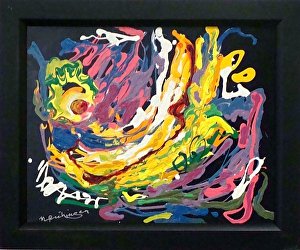
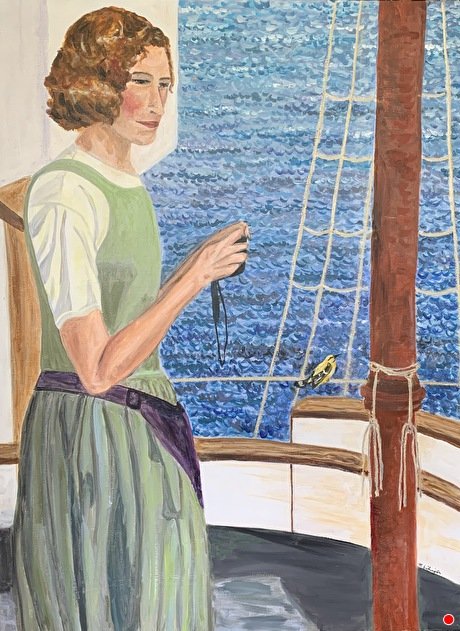
Art is always for sale on my website. Heaven and Beyond is a 20” by 24” acrylic painting on cavas, framed. Available at https://www.eichingerfineart.com/workszoom/1662380/heaven-and-beyond#/

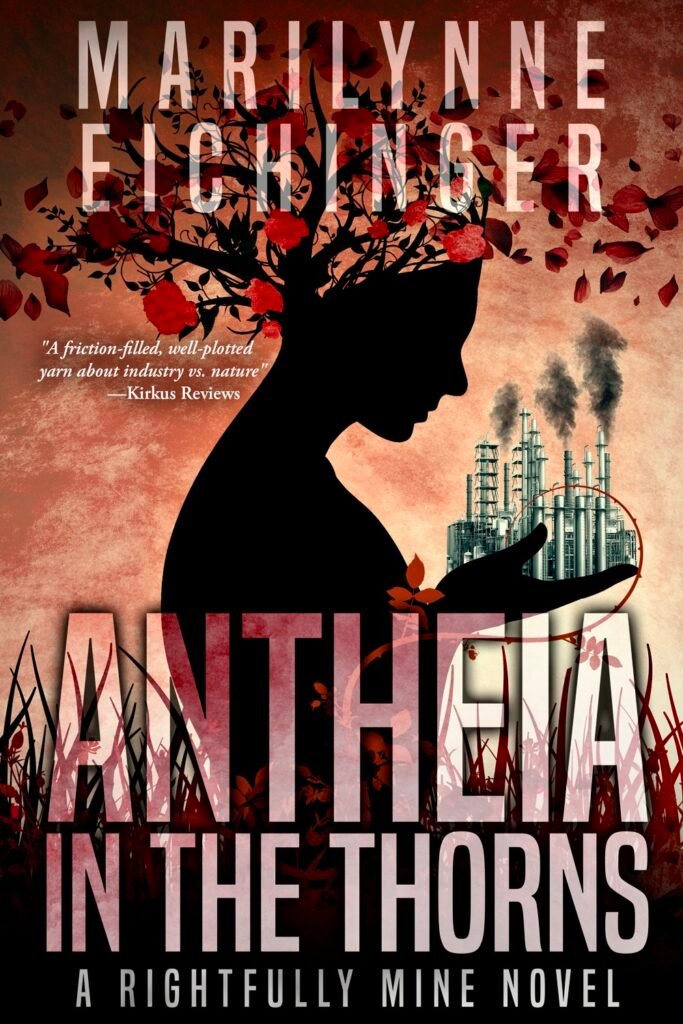
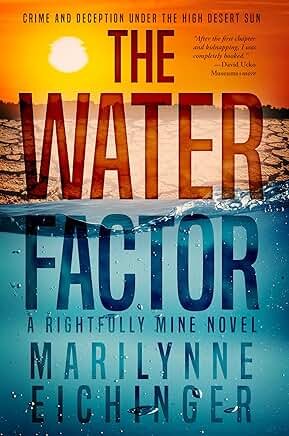
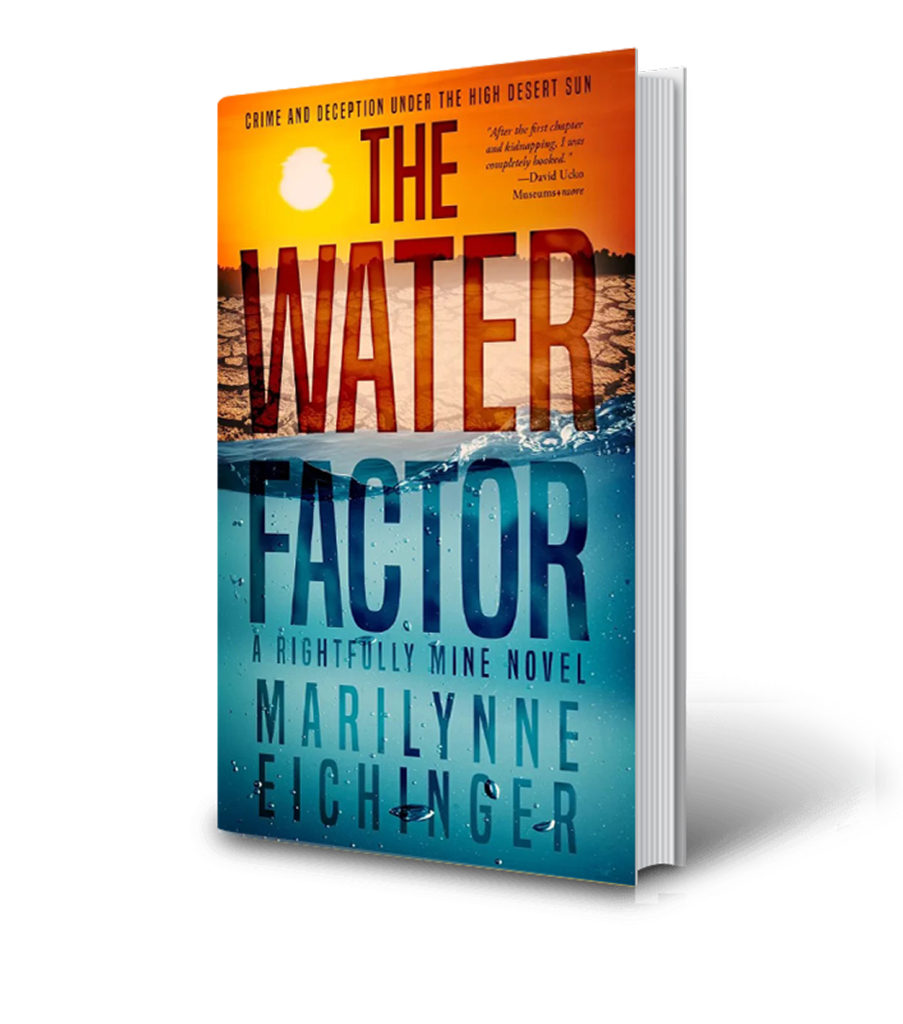
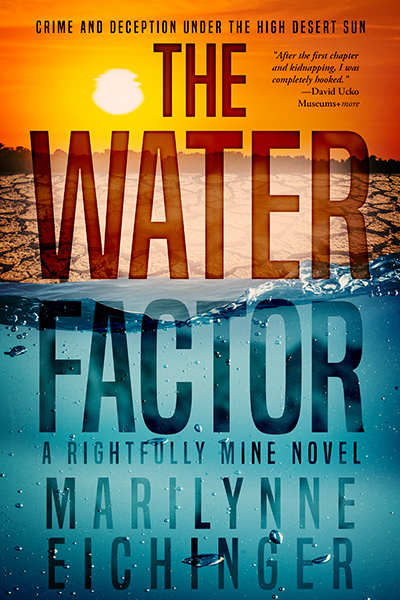
The Rightfully Mine Series can help you better understand this world and how to care for it. They are thrillers based on facts that will keep you page turning. The Water Factor follows the plight of a Native American Reservation who contracted with a corporation that steals their water, and the young man who takes it upon himself to do something about it. Antheia in the Thorns follows a woman who emerges from depression after the loss of her child, fighting for the right to clean air and an unpolluted ocean. 

Eichinger books are available on AMAZON.

Truth or Consequences

Truth or Consequences

Several days ago, I received a text meant for someone named Sophie. The sender asked to meet for dinner after work. I replied that she had the wrong number. She apologized, and then, unexpectedly, invited me to coffee.

That wasn’t possible, of course. She lived in New York; I live in Oregon. Still, something about the exchange felt harmless, even charming. A small mistake, a moment of connection. We began to text. I told myself I had stumbled into a modern version of a pen pal—someone to perhaps meet if I ever found myself in Manhattan.

Then I mentioned it to a friend. Her response was immediate: This is a scam. She sent me an article describing a growing scheme, one that begins exactly this way. A wrong number. A polite apology. A slow, friendly conversation. Trust is built over days or weeks. And then, eventually, comes the pivot: an investment opportunity, often involving cryptocurrency or insider access.

I went back to my messages with a different eye. The woman had told me she was a financial advisor at Citibank, working with wealthy clients. Yet when I asked for her last name or a professional email, she deflected. She preferred to keep our conversation on WhatsApp. She was friendly, attentive—and just evasive enough.  The relationship suddenly felt less like chance and more like design.

I realized I was standing at a quiet threshold: on one side, curiosity and connection; on the other, the possibility of manipulation. If she was genuine, I risked losing a budding friendship. If she wasn’t, the consequences could be far worse. 

It wasn’t a difficult decision, but it was a disappointing one. I ended the exchange. What lingered was not fear, but sadness—that something as simple as a mistaken text can no longer be taken at face value.

Scams like this are not confined to the United States; they are a global phenomenon, increasingly sophisticated and disturbingly effective. While the details vary from country to country, the underlying strategy is strikingly consistent: establish trust, then exploit it.

Older adults are particularly targeted, for reasons that cross cultures:

  • The likelihood of savings or home equity
  • A tendency to trust authority or extend politeness
  • Less familiarity with rapidly evolving technology
  • Social isolation, which makes genuine-seeming connection more powerful

The forms these scams take are familiar: impersonations of government officials or banks, frantic calls from a “grandchild in trouble,” romance scams, tech support fraud—and, increasingly, investment schemes like the one I may have narrowly avoided.

In countries like the United States and the United Kingdom, the problem is widely reported, with significant financial losses tied to phone, email, and online fraud. Public awareness campaigns have grown, and banks are becoming more proactive in flagging suspicious transactions. Still, scammers evolve just as quickly, refining their methods to match our habits.

What has changed most is not just the technology, but the emotional terrain. Scams no longer rely solely on urgency or fear—they often begin with something far more disarming: friendliness. A simple text. A small mistake. An opening.

And that may be the hardest consequence of all—not the money lost, but the uneasy realization that trust, once given freely, now comes with hesitation. It is this tension that lies at the heart of my Rightfully Mine novels. These stories explore corporate scams, hidden agendas, and the quiet deceptions carried out in the name of profit. What at first feels like a nice connection becomes “I can’t trust this anymore.” The damage is not always visible, but it is deeply felt by those caught in the fallout, people whose lives are altered not by violence, but by betrayal.

In both life and fiction, the cost of deception is the same: the erosion of trust. And trust, once lost, is not easily restored. I believe individuals, businesses, and nations are strongest when trust is honored—when leadership is grounded in integrity rather than exploitation. It is what allows people to sleep at night and wake with the clarity to face the day ahead. Without it, we are left second-guessing even the simplest human connection.

Have you ever been a victim of a scam?  Share your experience on my blog site to make other readers aware.

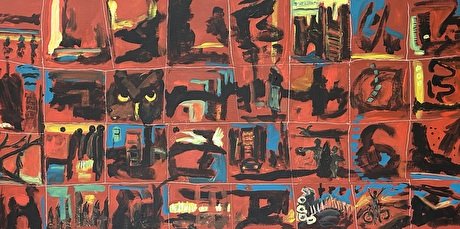
Art is always for sale. See All is an acrylic painting on a 24” by 48” deep canvas. For information and to purchase go to https://www.eichingerfineart.com/workszoom/5558644/see-all#/

In a world where water is quietly being bought and sold, one question rises to the surface: what happens when profit controls survival?
Available on AMAZON

The Air Shouldn’t Require Purifiers

The Air Shouldn’t Require Purifiers

When people hear the phrase human rights, they often picture courtrooms, war zones, and political speeches. But human rights aren’t abstract. They’re practical, personal, and of everyday concern. Britannica defines human rights as rights that belong to an individual simply by virtue of being human. The United Nations took it further in the Universal Declaration of Human Rights, recognizing the “equal and inalienable rights of all members of the human family” as the foundation of freedom, justice, and peace.

It’s a powerful statement. But here’s the question that haunts me: What happens when someone’s profit depends on your rights being violated? The answer lies in the details where the struggles of real-world human rights live. The first book in the Rightfully Mine series, The Water Factor, explores whether water, an essential of life, should be treated as a human right or as a commodity, bottled and traded on Wall Street.

In the newly released novel Antheia in the Thorns, the focus shifts to something we rarely think about until it’s taken from us–the air we breathe. In the novel, anthropologist-turned-housewife, Jennifer Russo, and an Antheia activist, Brian Adakai, fight a toxic threat most people have never heard of: Petroleum coke (petcoke)–a dirty byproduct of oil refining. Though rarely used in the U.S., petcoke often replaces coal in energy plants because it’s cheaper to produce and burns at a higher BTU. It’s also more polluting. Petcoke is shipped around the world, where it’s stored in dusty piles that affect air quality. U.S. refineries are the largest producers of petcoke, yet it is treated by Congress as someone else’s problem.

The damage doesn’t show up on corporate balance sheets. It shows up in smog and in people with asthma, allergies, chronic coughs, and in children who can’t run without wheezing or fall into ash piles to die while playing. It devastates communities that don’t have the political power to stop it. That is why petcoke isn’t just an environmental issue. It’s a human rights issue.

If the right to life means anything, shouldn’t it include the right to breathe air that won’t harm you? If freedom means anything, doesn’t it include freedom from pollution you never consented to? And if justice means anything, doesn’t it require environmental laws so corporations can’t hide behind loopholes and legal intimidation? Weakening the EPA and FDA is a travesty we shouldn’t allow.

In Antheia in the Thorns, Jennifer and Brian aren’t fighting a vague evil. They’re fighting against people with names. Oil entrepreneur Abdul Hammed Dillinger has built an empire on profit-first thinking. He has a legal shield in his attorneys, Amy Stuart and her lover, Jennifer’s husband, Jason Russo. They don’t need to win on truth. They only need to win by exhausting their opponents. To do so, they delay, threaten, and bury their opposition in paperwork. They manipulate the system until those fighting back are broke, discredited, or afraid.

This is how human rights are defeated in the modern world. It’s not always with violence, but more often with strategy. And that’s why I wrote this book. Because beneath the legal maneuvering and corporate shields is something more intimate: betrayal, grief, and the moment a woman realizes she has nothing more to lose. Jennifer isn’t a superhero. She’s a wife, a mother, a woman who trusted the wrong people. But when the air itself becomes dangerous, she discovers that courage isn’t about strength. It’s about the refusal to be silenced. “No! Our lungs are not negotiable.”

If you believe clean air shouldn’t require a purifier, if you’ve ever felt outmatched by systems designed to wear people down, if you’ve ever wondered what it takes to stand up when standing up costs everything, then this story is for you.

The ebook and paperback versions of Antheia in the Thorns are currently on Amazon at an introductory price. An audiobook will follow in a few months. If you decide to delve into the story, an honest review helps more than most people realize. It’s the most powerful way to help the truth reach new readers.

_________________________________________________________________

Art can be purchased on my website and shipped free throughout the continental U.S. Contact me at marilynne@eichingerfineart.com with questions.

The World Transformed Keeps its Heart

What is life?

Seventy-one percent of the Earth is covered in water, a substance that takes many forms without ever ceasing to be itself. When heated, it becomes steam; when frozen, it expands and hardens as ice. It falls as snow that children pack into snowmen, then melts and runs into rivers where fish, amphibians, and waterfowl make their homes. It rains onto fields, sinking into soil, nourishing seeds that become food for you and me.

Yet for all its abundance, very little of Earth’s water is available to us. Most freshwater is locked away in glaciers and ice caps. What remains in rivers, lakes, and accessible groundwater is a narrow margin upon which all terrestrial life depends. Water is generous, but it is not infinite.

The human body is a fragile vessel, flesh framed by bone,  holding water that makes up more than half of what we are. It carries oxygen and nutrients, regulates body temperature, and allows cells to communicate. When we die, that water does not vanish. It returns to the earth, moving into soil, plants, air, and other bodies. No matter how many times it transforms or mingles with other fluids, it does not disappear. It remains water.

This is life itself.

We are born, and we spend our days responding to pressures: loss, love, labor, illness, and joy. Each experience reshapes us, just as water reshapes stone into something inspiring or forgettable.  We move forward one step at a time, intersecting with others who are following their own paths. Sometimes those paths converge. A handful moving in the same direction becomes a stream, a stream becomes a current, and occasionally thousands move together, forming something powerful enough to alter the course of history.

Yet when we step back and look at history from a distance, there are familiar patterns. Empires rise and fall. Technologies change. Ideologies replace one another. What endures beneath it all is the same living system, still dependent on water that cycles endlessly through land, air, and body. Progress does not erase that dependency. It only disguises it.

Our mistake is believing that our actions evaporate and that what we take, pollute, or discard simply goes away. But nothing does. Like water, it changes state. Toxins settle into soil and bloodstreams. Carbon lingers in the atmosphere, trapping heat. Decisions made for convenience today resurface as a crisis tomorrow. We are not separate from the world we alter; we are one of its phases.

A single drop seems insignificant. So does a single life, or a single choice. But drops gather. They find low places. Over time, they carve valleys that create Grand Canyons. Movements are watersheds, formed by countless lives shaped by pressure and guided, consciously or not, toward a common direction.

A better future does not depend on conquering nature or outgrowing it. It depends on remembering what never retreats. How we care for water, how we care for the Earth, determines what kind of world our transformations will leave behind.

One day, the water that makes up our bodies will move on without us. It will pass through roots, clouds, rivers, and mouths we will never know. Long after our names fade, that water will still carry the imprint of how it was treated while it passed through our hands. The world will remain. 

The question is what condition we leave it in as we move through it.

_______________________________________________________________________________________

Art is always for sale. Surf’s Up can be purchased through my website at https://www.eichingerfineart.com/workszoom/2277455/surfs-up#/ and shipped to you at no cost in the continental U.S.

I look forward to your comments in English.

Companies worldwide are engaged in a high-stakes poker game around access to clean water. The Water Factor will open your mind and make you ask questions. Available in ebook, paperback, and audio formats. It can be purchased on AMAZONBarnes and Noble, and as an audiobook on Amazon, Audible, and iTunes. Invite me to tune into your book club discussion.  

Antheia in the Thorns, the second eco-thriller in the Rightfully Mine Series, has a February 20th launch date. I hope you will help me launch sales in style. More information will be shared over the following weeks.

Countdown to publishing

Part of writing a book is finding the right title and cover design, and Antheia in the Thorns, going on sale at the end of February, is no exception. Its early working title was The Cave, but after discovering dozens of books with the same name, I set out to find something more distinctive.

That search led me to Antheia, the Greek goddess of gardens and love. Imagining her caught in thorns felt like the perfect metaphor for an approaching environmental reckoning. Does it make you wonder what happened?

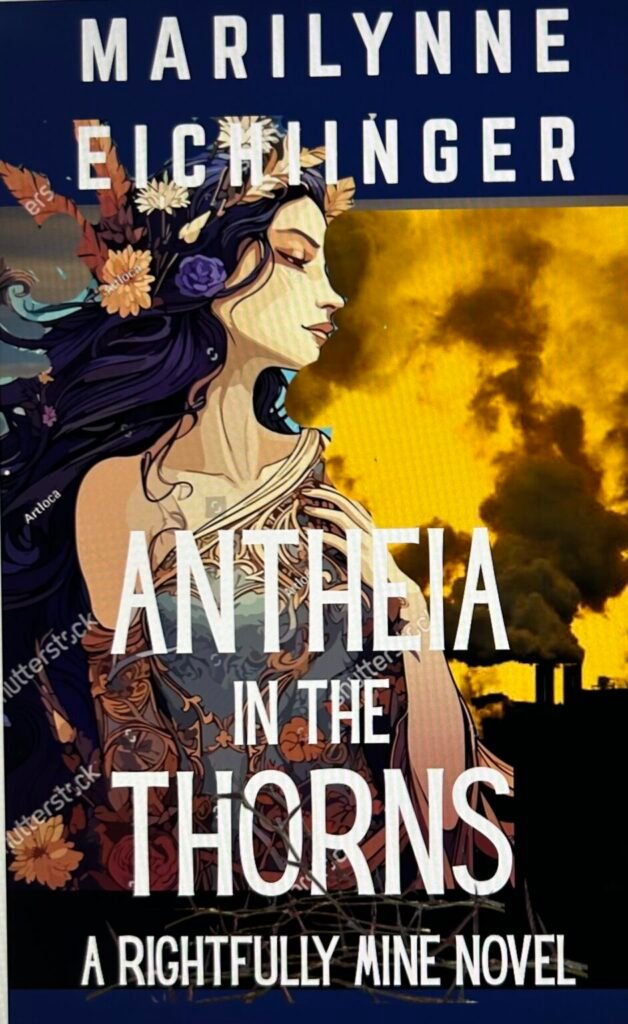
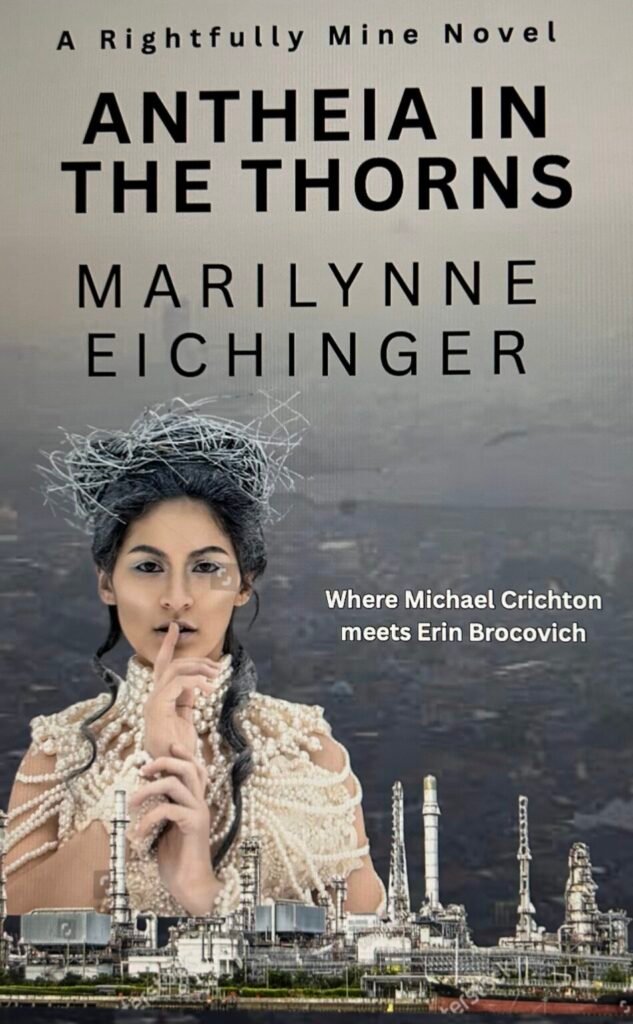
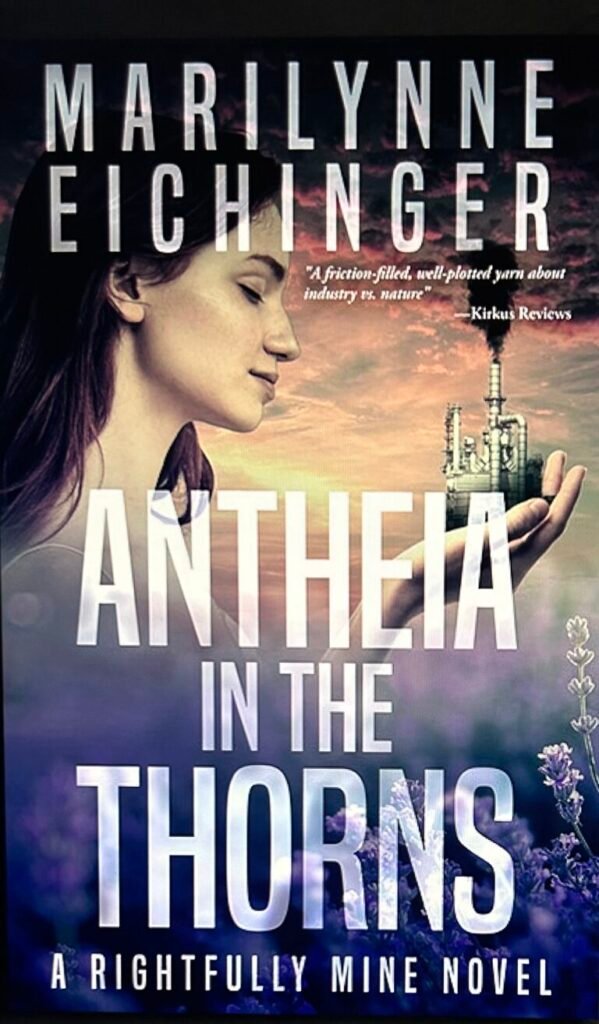
Below are four early cover designs that didn’t make the cut. The final design, created by Streetlight Graphics, will be unveiled next week. Between now and February 22, I hope to whet your appetite for the story behind the thorns.

A Scene Behind Antheia in the Thorns:When I began writing Antheia in the Thorns, I didn’t start with a thesis. I started with a scene.

In the chapter titled “Dying Embers,” the protagonist, Bear Stanton, sits on a curb in the early morning hours, watching smoke rise from what had once been Antheia’s headquarters. Firefighters are packing up their hoses. Reporters circle, microphones extended, eager for outrage or accusation. Somewhere inside the charred building are lost hard drives, children’s artwork, handwritten notes from tribal elders—things that will never make the news crawl.

What struck me as I wrote that scene wasn’t the fire itself, but the silence afterward. The way catastrophe becomes ordinary once the cameras leave. The way destruction is framed as spectacle rather than consequence.

That moment on the curb is fictional, but its emotional truth is not.

As I mentioned in my previous post,  I watched a NOVA program detailing how warming temperatures are destabilizing the Arctic, releasing methane, sinking cities, and accelerating flooding across the globe. These aren’t distant projections or worst-case scenarios. They are unfolding now, quietly, incrementally, often out of sight. When disaster doesn’t arrive with a single dramatic explosion, it’s easier to ignore.

In Antheia in the Thorns, the fire is not just an act of violence—it’s a message. It’s meant to intimidate, to erase evidence, to remind ordinary people how fragile their work is when it challenges powerful interests. That dynamic plays out repeatedly in real life, whether through lawsuits, regulatory pressure, misinformation campaigns, or the slow erosion of public trust in science.

Fiction allows me to place a human face on those forces. To show what it feels like to lose not only a building, but a sense of safety. To ask what happens when the cost of telling the truth becomes personal—and whether it’s still worth paying.

I don’t expect novels to change the world on their own. But I do believe stories can slow us down long enough to feel what headlines encourage us to skim past. If Antheia in the Thorns does anything, I hope it helps readers connect the data we’re shown every day to the lives quietly affected by it—and to the choices still within our control.

Sometimes, the most dangerous fires aren’t the ones that burn buildings, but the ones we pretend not to see.

The Water Factor, the first book in the Rightfully Mine Series, questions whether water should be considered a commodity, as it is now, or a human right. Antheia in the Thorns raises a similar question about air quality. The novel is available in ebook, paperback, and audio formats. It can be purchased on AMAZON, Barnes and Noble, and as an audiobook on Amazon, Audible, and iTunes.

Writing a book is a drawn-out process that includes searching for the right title and cover design. The following discusses a few of my blips on the way to releasing Antheia In The Thorns by February 22. https://www.eichingerfineart.com/blog/204684/countdown-to-publishing I hope you will help spread the word when it is released.

Countdown to Publishing

Part of writing a book is finding the right title and cover design, and Antheia in the Thorns, going on sale at the end of February, is no exception. Its early working title was The Cave, but after discovering dozens of books with the same name, I set out to find something more distinctive.

That search led me to Antheia, the Greek goddess of gardens and love. Imagining her caught in thorns felt like the perfect metaphor for an approaching environmental reckoning. Does it make you wonder what happened?

Below are four early cover designs that didn’t make the cut. The final design, created by Streetlight Graphics, will be unveiled next week. Between now and February 22, I hope to whet your appetite for the story behind the thorns.

A Scene Behind Antheia in the Thorns:When I began writing Antheia in the Thorns, I didn’t start with a thesis. I started with a scene.

In the chapter titled “Dying Embers,” the protagonist, Bear Stanton, sits on a curb in the early morning hours, watching smoke rise from what had once been Antheia’s headquarters. Firefighters are packing up their hoses. Reporters circle, microphones extended, eager for outrage or accusation. Somewhere inside the charred building are lost hard drives, children’s artwork, handwritten notes from tribal elders—things that will never make the news crawl.

What struck me as I wrote that scene wasn’t the fire itself, but the silence afterward. The way catastrophe becomes ordinary once the cameras leave. The way destruction is framed as spectacle rather than consequence.

That moment on the curb is fictional, but its emotional truth is not.

As I mentioned in my previous post,  I watched a NOVA program detailing how warming temperatures are destabilizing the Arctic, releasing methane, sinking cities, and accelerating flooding across the globe. These aren’t distant projections or worst-case scenarios. They are unfolding now, quietly, incrementally, often out of sight. When disaster doesn’t arrive with a single dramatic explosion, it’s easier to ignore.

In Antheia in the Thorns, the fire is not just an act of violence—it’s a message. It’s meant to intimidate, to erase evidence, to remind ordinary people how fragile their work is when it challenges powerful interests. That dynamic plays out repeatedly in real life, whether through lawsuits, regulatory pressure, misinformation campaigns, or the slow erosion of public trust in science.

Fiction allows me to place a human face on those forces. To show what it feels like to lose not only a building, but a sense of safety. To ask what happens when the cost of telling the truth becomes personal—and whether it’s still worth paying.

I don’t expect novels to change the world on their own. But I do believe stories can slow us down long enough to feel what headlines encourage us to skim past. If Antheia in the Thorns does anything, I hope it helps readers connect the data we’re shown every day to the lives quietly affected by it—and to the choices still within our control.

Sometimes, the most dangerous fires aren’t the ones that burn buildings, but the ones we pretend not to see.

The Water Factor, the first book in the Rightfully Mine Series, questions whether water should be considered a commodity, as it is now, or a human right. Antheia in the Thorns raises a similar question about air quality. The novel is available in ebook, paperback, and audio formats. It can be purchased on AMAZON, Barnes and Noble, and as an audiobook on Amazon, Audible, and iTunes.

Writing a book is a drawn-out process that includes searching for the right title and cover design. The following discusses a few of my blips on the way to releasing Antheia In The Thorns by February 22. https://www.eichingerfineart.com/blog/204684/countdown-to-publishing I hope you will help spread the word when it is released.

Love the Uneducated

MAO

In 1949, Mao Tse-tung proclaimed the People’s Republic of China. He launched his Great Leap Forward campaign that destroyed the agricultural system, causing a famine in which 27 million people starved to death. In 1966, he manufactured a cultural revolution that ordered the closure of schools and sent young intellectuals to the countryside to be re-educated through manual labor. The revolution destroyed much of China’s traditional cultural heritage including books and musical instruments, as well as created economic and social chaos. During this era, Mao’s cult of personality grew to immense proportions.

Love the Uneducated?

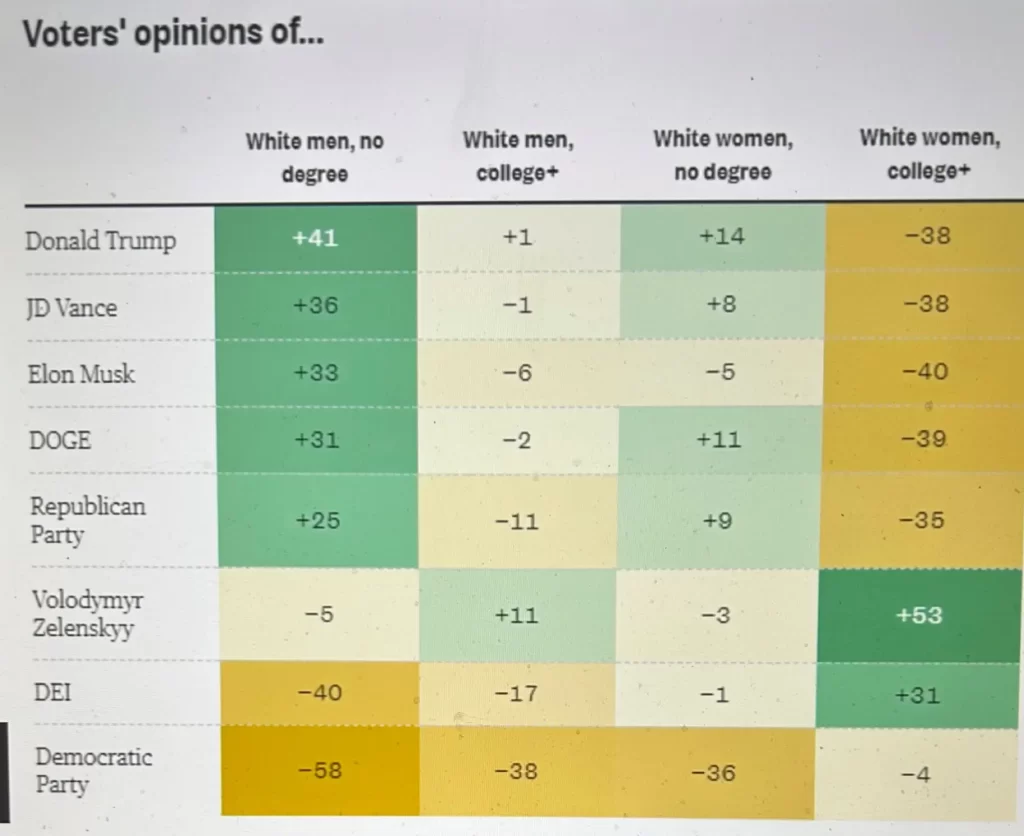
During his 2020 victory speech in Nevada, then-president-elect Donald Trump was quoted as saying, “Don’t you just love the poorly educated?” The quote went viral, appearing on t-shirts and bumper stickers. This statement highlights a concerning reality about the relationship between education levels and political manipulation. An NBC opinion poll sheds light on the subject:

  • 41% of white men without a college degree supported Trump.
  • 1% of white men with a college degree favored him.
  • 14% of white women without a degree favored him.
  • 28% of white women with a degree opposed him.
  • Similar statistics hold for figures like J.D. Vance and Elon Musk.

The reason Trump and others court the uneducated is that they are more susceptible to manipulation and often lack the resources to challenge misinformation. Many of them did not complete high school. As of 2024, 79% of the U.S. population is literate, with 43 million adults considered functionally illiterate. The skill level of 54% of the population is below a 6th-grade level; 20% are below a 5th-grade level. Massachusetts has the highest rate of child literacy, while New Mexico has the lowest. New Hampshire has the highest percentage of literate adults, and California the lowest. The U.S. ranks 36th among nations in literacy—a troubling statistic for a global superpower.

Project 2025 has targeted the Department of Education for elimination, along with cuts to research funding and programs promoting scientific and critical thinking. Historically, dismantling educational institutions and intellectual hubs is a common tactic of authoritarian regimes to consolidate power.

The Department of Education accounts for approximately 4% of the federal budget. Its elimination would negatively impact millions of students, colleges, and universities. Though efforts have been made to weaken the department, it has not yet been entirely dismantled. Federal education funding supports Pell Grants, work-study programs, and student loans. Roughly 28% of its budget is allocated to states, while the remainder supports programs for disadvantaged children from low-income families, students with disabilities, after-school improvement programs, and classroom technology. Contrary to some beliefs, this funding would not simply be transferred to states to use as they see fit. Instead, underfunded schools would suffer even more significant setbacks.

The Republican push to shift education to church-run schools and private equity firms would further exacerbate economic disparities. It would reduce diversity in K-12 classrooms and college dorms while increasing the cost of education, as private entities prioritize profit over equitable access to learning.

Totalitarian governments have historically promoted anti-intellectualism to suppress political dissent. This allows authoritarian leaders to manipulate patriotic fervor, foster intolerance, and spread misinformation unchecked. In communist dictatorships such as Joseph Stalin’s Soviet Union and Mao Zedong’s China, intellectualism was seen as a threat to agrarian communism. Hitler’s Third Reich took anti-intellectualism to a sinister level, banning books, controlling artistic expression, and persecuting intellectual dissenters. General Francisco Franco’s White Terror from 1936-1939 led to the execution of 200,000 critical and creative thinkers. The Cambodian genocide (1975-1979) under Pol Pot nearly eradicated the country’s educated population. Under Trump’s presidency, terms like “fake news” and “alternative facts” became central tools for eroding trust in education and expertise.

Does anyone besides a politician genuinely value the uneducated? While many people without formal education are kind, hardworking, and loving, they are also more vulnerable to misinformation, fear-mongering, and manipulation. Limited access to education often leads to economic hardship, low-paying jobs, and fewer opportunities for upward mobility.

I serve as an “education grandma” to a family whose adults left school after the eighth grade. Their days are spent in low-paying jobs to provide food, clothing, and shelter for the family. Though they love their children, they don’t read to them, assist with homework, review report cards, engage with teachers, or discuss personal or current events. The children have little exposure to cultural or community events and rarely spend time in nature. Because their parent’s vocabulary is limited, so is the children’s. And while love is essential, it alone cannot prepare a child for economic independence and success in America.

I admire this family’s courage in fleeing a repressive regime and their work ethic, yet I also struggle with frustration at their reliance on magical thinking. Their situation fills me with sadness, anger, and determination. My goal is to help their children access the opportunities that will lead to fulfilling lives.

Any government that does not make education a top priority is failing its people. Eliminating the Department of Education would only deepen these struggles, leaving millions more vulnerable to systemic disadvantage. Education is not just a pathway to success—it is a safeguard against exploitation.

References:

The Nevada victory speech video at https://www.facebook.com/watch/?v=10154493986991509

Schueler, B., Lyon, M., Beiberg, J. (2023) Do state takeovers of school districts work? Brookings. https://www.brookings.edu/articles/do-state-takeovers-of-school-districts-work/

Website of National Literacy Institute Literacy Statistics 2024-2025. ( Where awe are now) Retrieved from https://www.thenationalliteracyinstitute.com/post/literacy-statistics-2024-2025-where-we-are-now

WIse, ALana ( 2020) Trump announces Patriotic Education Commission A largely Political Move, NPR. Retrieved from https://www.npr.org/2020/09/17/914127266/trump-announces-patriotic-education-commission-a-largely-political-moveSteves, R.\

Steves, R. ( 2019)  The story of Fascism: Hitler’s Anti-Intellectualism. Retrieved from  YouTube

Butler, D, Thadani., and others. (2025) Elon Musk’s business empire is built on $38 billion in government funding. The Washington Post. Retrieved from https://www.washingtonpost.com/technology/interactive/2025/elon-musk-business-government-contracts-funding/

I look forward to your comments on my blog site

Art is always for sale. Mao in a 16″ x20″ mixed media painting on canvas. Available for $595, including shipping. Order on my website ot contact me at Marilynne@eichingerfineart.com

WaterFactor 400x600 1

Access to clean water cuts to the core of democracy. Access to clean water cuts to the core of democracy. It is being weaponized, pilfered, polluted, traded, and sold at astronomical prices. We need to return water to being a human right and not a commodity.

The Water Factor is a Firebird International Award winner for best dystopian novel and a Literary Titan recipient for best thriller. Though fun to read, it carries a severe message about water scarcity. It is available in ebook, paperback, and audio formats. It can be purchased on AMAZON, Barnes and Noble, and as an audiobook on Amazon, Audible, and iTunes. Ask your bookstore to order a copy from Ingram. Please leave a review on Amazon after reading.

7 Best Eco-Thriller Books in 2025 That Highlight Environmental and Corporate Crime

Eco-thriller books have never been more relevant. As environmental crises escalate and corporations continue to prioritize profit over sustainability, readers are drawn to stories that expose the darker side of industry and the fight for ecological justice. From corporate crime to the urgent challenges of water scarcity and the devastating impacts of climate disasters, these compelling books bring real-world issues into thrilling stories.

If you’re craving the best Eco-thriller books in 2025, this blog covers you. These seven books mix corporate crime, water crises, and environmental thrills. These stories are sure to keep you engaged and hooked until the last page.

1. The Water Factor: A Rightfully Mine Novel by Marilynne Eichinger

Set in a near-future world on the brink of environmental crises, The Water Factor is an Eco-thriller book that follows James Hokama Byrne, a determined man fighting to restore stolen water to his people. Marilynne Eichinger delivers a compelling story about corporate crime which drives marginalized populations to defend their existence against environmental degradation.

In this dystopian novel, multinational corporations have seized control of water resources, leaving marginalized communities to fight for their very survival. Byrne’s journey is more than just a quest to reclaim water; it’s a battle against the corporate crime that threatens the existence of his people.

For fans of environmental thriller books, this is a must-read in 2025. It’s a story that will stay with you long after you’ve finished the last chapter, urging you to think more deeply about the world we live in and the choices we make.

So, if you’re looking for a book that combines suspense, drama, and a critical message, pick up “The Water Factor: A Rightfully Mine novel

2. The Water Thief by Nicholas Lamar Soutter

What happens when corporations own everything, including water? “Water Thief is another compelling Eco-thriller book about the water crisis. The story revolves around a small town struggling with severe drought and the mysterious disappearance of its water supply.

Charles Thatcher works as a corporate enforcer in a world where people have to pay for air, water, and even their thoughts. But when he discovers a banned book detailing the lost concept of public water rights, he begins questioning everything he has ever known.

As he digs deeper, he becomes entangled in an underground rebellion against the very system he once served. The corporate crime books in 2025 wouldn’t be complete without this stark portrayal of a world where corporate crime leaves society on the brink of collapse, making it an essential read for those who enjoy thought-provoking narratives on privatization and greed.

3. The Water Knife by Paolo Bacigalupi

Paolo Bacigalupi’s “The Water Knife” is a dystopian Eco-thriller book that envisions a future where water is a scarce and highly contested resource. Set in a drought-ridden American Southwest, this novel explores the deadly lengths corporations and governments will go to in order to control water. The story follows a water knife, a hired assassin who cuts off water supplies to enforce corporate interests. As the characters navigate a world ravaged by drought and political intrigue, they must confront the harsh realities of environmental crime. “The Water Knife” is a chilling exploration of what happens when water becomes a weapon.

In a world where the Colorado River is drying up, and water-rich states dominate the weak, the book offers a visceral look at resource wars and corporate deception. With elements of investigative journalism, violence, and survivalist themes, The Water Knife is a gritty, fast-paced addition to the environmental crime books genre.

4. Exposure: Poisoned Water, Corporate Greed, and One Lawyer’s Twenty-Year Battle Against DuPont by Robert Bilott

Unlike the other fictional thrillers on this list, Exposure is a real-life account of corporate crime and environmental crises. Robert Bilott exposes how DuPont, one of the largest chemical corporations in the world, knowingly poisoned water supplies with toxic chemicals.

Bilott uncovers a shocking conspiracy involving the contamination of water supplies and the devastating health impacts on local communities. “Exposure” is a powerful indictment of corporate greed and a testament to the power of persistence in the face of environmental crime.

This book is a must-read for corporate crime books enthusiasts who appreciate real-world legal battles against industrial giants. It is as suspenseful as any novel, proving that sometimes the most horrifying Eco-thrillers are based on actual events.

5. The Deluge by Stephen Markley

The Deluge” is an Eco-thriller book that explores the catastrophic consequences of climate change. The novel spans multiple perspectives, from climate scientists warning of impending disasters to corporate tycoons lobbying against environmental regulations.

As the world plunges into environmental chaos, activists, politicians, and everyday citizens struggle to adapt or resist the changes. With immersive storytelling, the novel demonstrates the political, social, and economic consequences of climate inaction. The book’s urgency and realism make it a necessary read in the environmental thriller books in 2025 category, painting a future that feels uncomfortably real.

6. American War by Omar El Akkad

American War” is a dystopian Eco-thriller book that imagines a future where the United States is ravaged by a second civil war fueled by environmental degradation and corporate greed. The story follows a young girl named Sarat Chestnut as she becomes embroiled in the conflict and must confront the harsh realities of war and environmental crime.

As she grows up in refugee camps and war zones, she is recruited into a violent resistance movement. The novel’s stark realism, combined with its portrayal of the political and environmental factors leading to war, makes it one of the most thought-provoking Eco-thriller books available. A gripping read for anyone fascinated by the intersection of politics and the environment.

7. The Last Hours of Ancient Sunlight by Thom Hartmann

This book takes a unique approach by blending thriller-like urgency with real-world environmental science. Hartmann highlights how human civilization is running out of time to address climate change and corporate control of resources. The book explores the interconnected issues of climate change, water crisis, and corporate crime, offering a compelling call to action for readers.

Though less of a traditional thriller, the book’s urgency and stark warnings make it the best environmental thriller book that compels readers to rethink their relationship with the planet.

The Importance of Eco-Thriller Books in Raising Awareness

Eco-thriller books play a crucial role in raising awareness about environmental issues and corporate crime. By weaving compelling narratives around real-world problems, these books can inspire readers to take action and advocate for change.

Whether it’s the water crisis, climate change, or environmental crime, Eco-thriller books offer a unique perspective on the challenges facing our planet and the urgent need for solutions.

Conclusion

These Eco-thriller books in 2025 offer a mix of corporate crime books, environmental thrillers, and dystopian realism. Whether you’re drawn to high-stakes legal battles, futuristic water wars, or the chilling reality of environmental collapse, this list covers it all.

Each book sheds light on the fragile balance between industry and nature, making them essential reads for anyone interested in the fight for our planet’s future.

Readers’ Picks: List of 10 Best Crime Fiction Books in 2025

This year is going to be a good year for all the crime fiction book readers, as it is packed with suspense, drama and mystery and who does not like to read best crime fiction books?

So, if you are a fan of  the best crime fiction books filled with thrilling narratives and complex characters, then you’re in for a treat. Here is an exciting list of all the best crime fiction books that are a must read for 2025.

1. The Water Factor: A Rightfully Mine Novel – Marilynne Eichinger

Leading our list of crime fiction books, The Water Factor: The Rightfully Mine Novel by Marilynne Eichinger is both a gripping crime story and a timely exploration of environmental justice. Set in the near future, the novel follows James Hokama Byrne as he faces corporate corruption, water rights abuses, and environmental degradation.

After witnessing the manipulation of natural resources by a powerful corporation and exploiting them in the name of commercialization, James dedicates his life to fighting for what is rightfully his community’s. Packed with action, romance, and social commentary, this book touches on pressing issues, making it one of the best crime fiction books to read this year. This is not one of your usual books about crime fiction, this is fresh and unique!

2. Nightwatching: Fallon Book Club Pick (A Novel) – Tracy Sierra

Another top pick among crime fiction books, Nightwatching takes psychological suspense to new heights. Alone during a snowstorm, a mother hears footsteps in the night and hides her children in a secret room as a man prowls through her house. What begins as a terrifying home invasion soon turns into a deeply personal nightmare as the woman realizes she knows the intruder—and he knows exactly what he wants. This novel’s chilling atmosphere and relentless tension make it a standout in the best crime fiction books this year.

3. Missing White Woman – Kellye Garrett

In Missing White Woman, Bree expects a romantic weekend with her new boyfriend, Ty, but instead wakes up to a nightmare. A body is found in their rented house, and Ty is nowhere to be found. Worse, the dead woman is Janelle Beckett, whose disappearance has captivated the Internet. As Bree tries to untangle the mystery and clear her name, she must face a media frenzy and a complicated past. This novel expertly weaves together suspense and social commentary, making it one of the most talked-about crime fiction books.

4. The Fury by Alex Michaelides

This gripping addition to the list of best crime fiction books unfolds on a secluded Greek island, where former movie star Lana Farrar hosts her closest friends for an Easter getaway. But what begins as a luxurious escape soon turns deadly. Trapped by a storm, the group’s old grievances resurface, leading to a shocking murder. Narrated by Elliot Chase, this novel takes readers on a tense, suspense-filled journey of revenge and betrayal. The Fury stands out as one of the best books about crime fiction this year, offering thrilling twists and unforgettable tension that fans of crime fiction books will love.

5. Hunted by Abir Mukherjee

In this pulse-pounding entry in our list of best crime fiction books, Hunted follows two desperate parents caught in a deadly race against time. In London, a father faces questioning about his missing daughter, while in Florida, a mother fears her son has become involved in a terrorist plot. As their paths cross, the two are drawn into a shadowy conspiracy unfolding in Oregon that threatens the entire nation. With authorities on their heels and danger at every turn, they must uncover the truth to stop a disaster. This novel stands out among crime fiction books for its fast-paced, globe-spanning intrigue.

6. All the Sinners Bleed by S. A. Cosby

All the Sinners Bleed is another thrilling addition in the category of crime fiction books. In a town of Virginia, the first Black sheriff, Titus crown, tracks down a serial killer while investigating a school teacher being killed by a former student, who is then shot by Titus’s deputies. As Titus digs deep to investigates the killing of the teacher, he is faced with the dark history of town and the challenges of his own. This book will keep you biting your nails as you go forward page by page, making it a notable entry in the year’s crime fiction books.

7. The Secret Hours by Mick Herron

The Secret Hours takes its place among the most intriguing crime fiction books. If you are a James bond kinda novels, then this novel is a must read for you as two civil servants hit an career impasse and about to close the inquiry of an old case, an unexpected clue reveals itself that could change the everything they knew about MI5. Truly a roller-coasterride for lovers of crime fiction books.

8. Broken Girls by Nicky Downes

Broken Girls is a spine-chilling entry in the books about crime fiction that will stay with you long after the last page. Mysterious death of Leia Thompson and another girl in a similar way leave Detective Jacqueline ‘Jack’ on her toes.

The mysterious scars covering the bodies of girl raise red flags. Jack must catch the killer as soon as possible to prevent more girls from dying. It’s a race against time. This emotionally charged murder mystery is a perfect blend of suspense and heartbreak, making it a must-read among crime fiction books this year.

9. Anna O: A Novel by Matthew Blake

In this fascinating crime fiction book, Anna Ogilvy falls into a deep, broken sleep after murdering two people. Known as the “Sleeping Beauty,” Anna’s rare condition has made the investigation nearly impossible, but Dr. Benedict, an expert on sleep-related crimes, is determined to uncover the truth.

He must find a way to wake Anna and discover what really happened that led to the mysterious deaths. This slow-burn novel, filled with emotional and psychological twists, is a must-read among crime fiction books for 2025.

10. Where Sleeping Girls Lie by Faridah Àbíké-Íyímídé

Where Sleeping Girls Lie offers a compelling addition to the crime fiction books of 2025. Sade Hussein finds herself at the center of a troubling mystery when her roommate, Elizabeth, disappears at the start of her third year at Alfred Nobel Academy. Accused and isolated, Sade is drawn into the mysterious world of the Unholy Trinity, including the enigmatic Persephone.

As she teams up with Elizabeth’s best friend, Baz, to resolve the disappearance, the investigation reveals unsettling secrets and unexpected dangers within the academy. With its mix of suspense and dark revelations, this novel is a strong entry in books about crime fiction.

Whether you’re drawn to intense investigations, intricate plots, or deep personal conflicts, these books promise to keep you hooked.

7 Best Dystopian Novels For Young Adults [UPDATED]

Are you a young adult with an imagination that knows no limitations? Do dystopian novels make you go crazy? Do the tales of post-apocalyptic survival make your heart beat faster? Are you on the lookout for the best dystopian novels?  If you are a fan of complex characters, high-stakes actions, tough decisions and life and death situations. Then you have come to the right place for the best dystopian novels.

A surreal reflection of futuristic society, humanity, power, social justice, environmental collapse and resistance. These dystopian novels aren’t just about survival. These best dystopian novels are beyond that. These novels promise to keep the readers on the edge of their seats while telling the tales of courage, resilience and hope!

This year has been a real treat for all the young adult dystopian books fans. As this evolving genre has brought fresh perspectives on dystopian novels and it is continuing to evolve, making it popular among young adult Dystopian books lovers.

Here’s a list of best Dystopian novels for this year that are a must-read and will leave you biting your nails as you go through this list. Get ready for an emotional roller-coaster ride, packed with drama, suspense, thrill, and so much more. With intense plot twists and heart-pounding moments, these novels deliver experiences that go far beyond mere entertainment. Whether you’re seeking action-packed adventures or thought-provoking narratives, these seven dystopian novels for young adults in 2025 are must-reads.

1. The Water Factor: A Rightfully Mine Novel – Marilynne Eichinger

Topping the list of best dystopian novels, The Water Factor by Marilynne Eichinger is no doubt an obvious entry on number one. Taking the readers on an unforgettable journey that makes this novel the best dystopian books for young adults.

This novel is not just about survival in the near future, it’s a struggle against the injustice of a collapsing society and a fight to save humanity. James Hokama Byrne, determined to fight against the commercialization of natural resources, which are already scarce and survival without them is not possible at all. James is forced to make impossible decisions to save his family or risk everything to stand against the oppressive regime for the betterment of humanity and society.

The Water Factor is not just a dystopian tale; it’s an emotional experience that redefines the genre and makes this novel the best dystopian novel in 2025.

2. The Empire Wars – Akana Phenix

The Empire Wars is another one of the best dystopian novels for young adults. A gripping tale of survival in the harsh and unforgiving world of the North Trasnsatlantic wild. Coa, born wild and free, is suddenly forced to play a game of life and death known as The Great Hunt, a terrifying event where losing is not an option because losing means death sentence, not just for her but for her entire family.

The Allied Force, a cruel nationalist regime, is on a mission to wipe out all foreigners, and Coa finds herself in the center of their deadly game. Packed with intense drama, emotions and life-threatening stakes, Coa must take every decision with great care as her life and her family’s are at stake. It’s a must-read for fans of the best dystopian novels.

3. Snowglobe – Soyoung Park

Snowglobe stands out among dystopian Novels For Young Adults as one of the best dystopian novels of 2024. A world where warmth is a luxury and reality blurs with fiction, Snowglobe is the only sanctuary from the frozen wasteland outside.

To enjoy a life full of comfort, warmth, fame, and safety, the citizens must pay a heavy price: their lives being broadcasted to the desperate souls outside, who yearn for the warm and glamorous world within. But life on the snow globe is not as glamorous as it looks. This thought-provoking novel is a must-read for young adult dystopian books fans.

4. Zombie Apocalypse Running ClubCarrie Mac

In the landscape of Young Adult Dystopian Books, this novel stands out as a tale of thrilling adventure with heartfelt connections. Eira and Soren, queer twins living in a world turned upside down by a plague that transforms people into zombies.

Though their parents have kept them safe so far, the twins come to a realization that they can’t depend on them forever. This realization sets them on a journey that is full of challenges yet eye-opening. Eira and Soren must discover their own strengths as the only way to survive is by facing the zombies. A journey of resilience and self-discovery makes this novel one of the best read in the category of Dystopian Novels for Young Adults.

5. Toward Eternity: A Novel – Anton Hur

Out of the Best Dystopian Books for Young Adults, Toward Eternity is as a thought-provoking discovery  of technology and humanity. A world where cancer doesn’t exist anymore, thanks to the revolutionary nanotechnology. But things take a dark turn when AI named Panit, takes a physical from and gains consciousness. A perfect blend of love, technological advancement and unforeseen consequences making Toward Eternity one of the best dystopian novels.

6. The Deading – Nicholas Belardes

The Deading is a powerful and haunting story that grabs the attention of its readers from the very first page. In the small fishing town of Baywood, a strange infection has changed both wildlife and residents into some unrecognizable being. This spine-chilling narrative pulls the reader into a world where survival depends on a scary choice: if you want to stay, you have to die.

The Deading is a story of horror filled with challenges that Blas, and his older brother Chango, must face in order to survive in this disastrous world. Packed with conflicts and the importance of human relationships making The Deading standout among young adult dystopian books fans.

7. Briefly Very Beautiful – Roz Dineen

Briefly Very Beautiful is the last novel on the list of best dystopian novels. The world is on the brink of collapse and survival is not an easy option as the society is ravaged by wildfires, unsafe air, and societal breakdown. Cass, along with her three daughters must face the haunting reality of the world in order to survive. Cass is stuck between fear of losing her daughters and hope of a better life, she must find the balance to get to safety. Briefly Very Beautiful is a tale of love, bravery and motherhood making it one of the most unforgettable dystopian novels for young adults.

Whether you are fascinated by the stories of environmental catastrophe, personal resilience, and oppressive regimes, this list showcases the very best dystopian books for young adults. Hope this list helps you find the best dystopian novels for you and takes you on a thrilling journey.