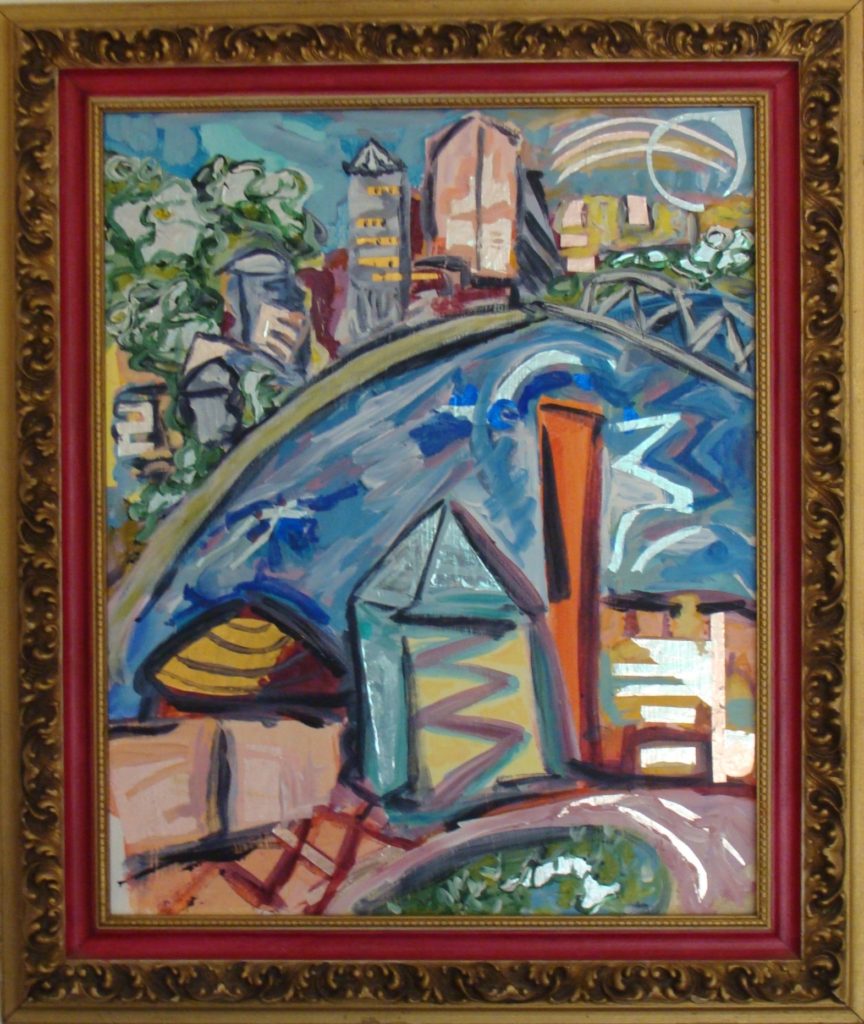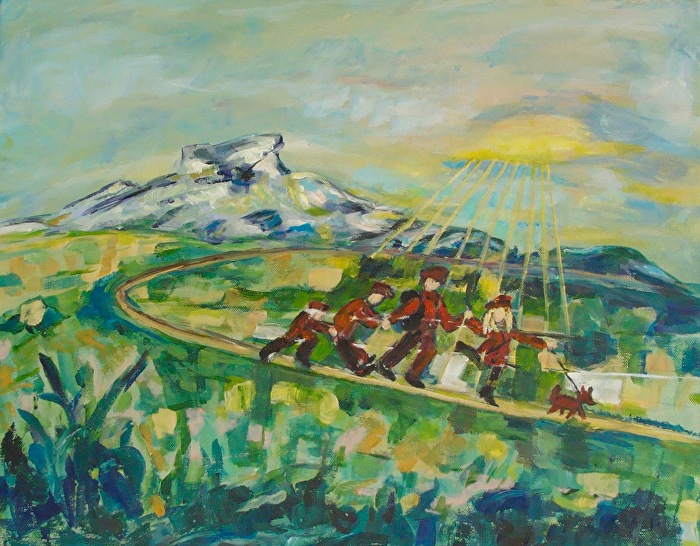
Don’t Fence Me In

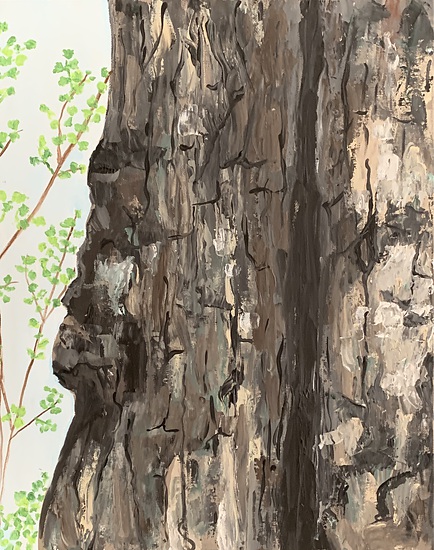
Eastern Oregon Contemplative 

Oh give me land lots of land under starry skies above. . . Don’t fence me in.

Let me ride through the wide open country that I love. . . Don’t fence me in.

Let me be by myself in the evening breeze, Listen to the murmur of the cottonwood trees 

Send me off to forever but I ask you please. . . Don’t fence me in.

I grew up listening to Gene Autry and Roy Rogers sing “Don’t Fence Me In.” The song was written in 1934 by Cole Porter with lyrics from a poem by Robert Fletcher. It was in the repertoire of many artists including Bing Crosby and Willy Nelson. There’s a yearning in the words, a desire to be left alone to travel with your thoughts. The song is a sad reminder of a bygone era, for there’s hardly a place in the country that isn’t bounded by fences.  
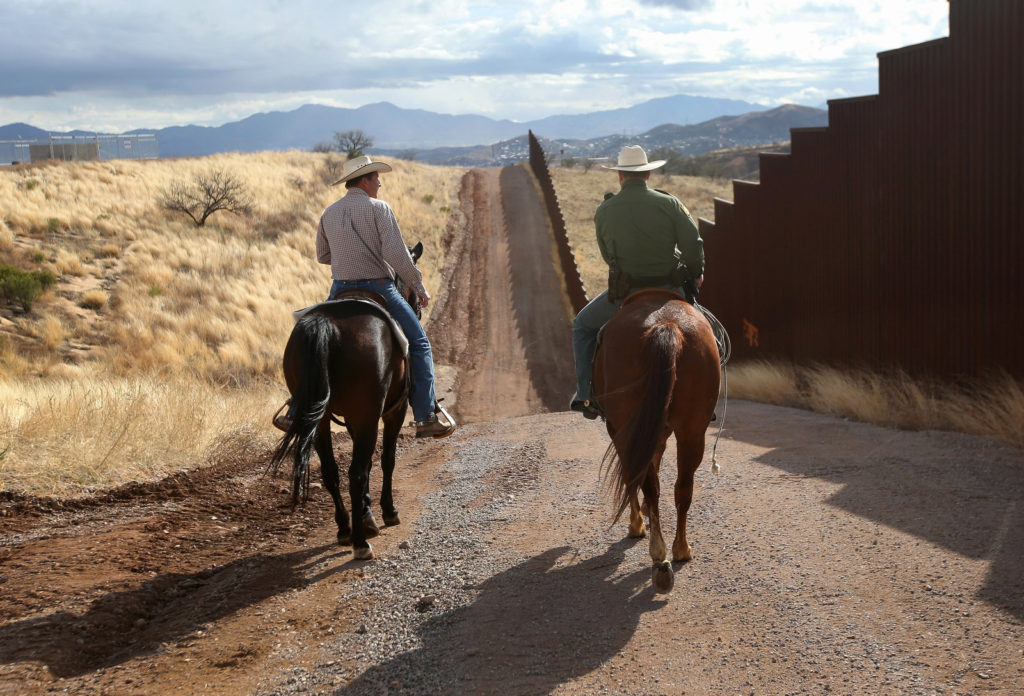
In a push to keep foreigners out, 700 miles of a proposed 1,933 mile fence have been erected on our southern border. Fences crisscross vast areas of fertile prairie lands, high deserts, and the treeless plains.In cities fences isolate people in gated communities to keep undesirables off of private property. Those with money build houses in walled wealthy ghetto areas far away from those living in minority and poor ghetto slums. They purchase ranches in Montana that they enclose with barbed wire fences. The wide open spaces are sprinkled with no trespassing signs and guarded by armed owners.

In poorer neighborhoods, gangs form invisible fences around housing projects and city blocks. Graffiti, a type of no trespassing sign, marks dominance over territory or turf and advertises power. The markings make everyone who live in the neighborhood vulnerable to drive-by shootings by rival gangs.  Rich and poor alike, find ways to segregate themselves within boundaries that keep “others” away and reduce their right to roam freely. 

Though most Americans were taught otherwise, pre-Columbian Americans did own property. They were primarily farmers, not hunter-gators as was often depicted, with property owned by households, temples or urban nobles. Forests and deserts belonging to an individual or community were regulated common areas where local people could gather wood, berries and game. Iroquois and Algonquian women commonly owned maize fields that many people farmed, collectively distributing the harvest.
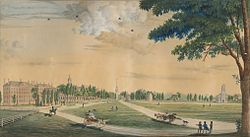
Cambridge Commons in 1808-Harvard College on the left and Christ Church on the right.

Native and colonial clashes occurred when colonists allowed livestock to roam freely and disrupt forest ecosystems that had provided food for Native peoples for generations. In the West, singing cowboys pushed herds of cattle across the land and homesteading farmers destroyed Native hunting, agricultural, and foraging grounds.

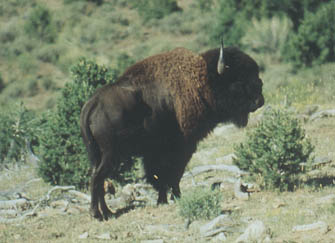
Over 50 million buffalo roamed from Mexico to Saskatchewan until the Army promoted hunting them to provide jobs for Civil War veterans, to supply meat for railroad workers, to make it easier to raise cattle, and to eliminate food and material sources for the Indians. By the late seventeenth and early eighteenth centuries fenced in family farms and cattle ranches had taken over the plains. 
American citizens were told that Indians didn’t have rights to land because they lived nomadically and didn’t own property or have property rights. This falsehood was spread by John Locke and years later endorsed in novels by Ayn Rand and displayed in biased Hollywood movies that focused on the plains Indians whose complex economic and social rules centered on the horse culture.

The Pueblo Indians practiced agriculture and were never nomadic so their households possessed land and owned homes. The Iroquois rotated living quarters among several locations considered best for farming and hunting. Communal property was often possessed by a group or tribe. When it was sold, the chief negotiated rights to the soil.

John Locke’s writings were heeded when he asserted that ownership of land could be obtained by one of three methods;

  1.  Homesteading it via fencing it in, protecting it, and proclaiming that it is under    your ownership.
  2.  Acquiring the property title via voluntary transfer.
  3.  Claiming abandoned land by adverse possession: move on it, fence it, mix one’s labor with it, etc.

Adding labor to a parcel of land was all it took to make it yours. Indians had no claims to property because they didn’t improve their land by planting trees or fencing it in to limit its use and preserve value for its owners to sell in the future.

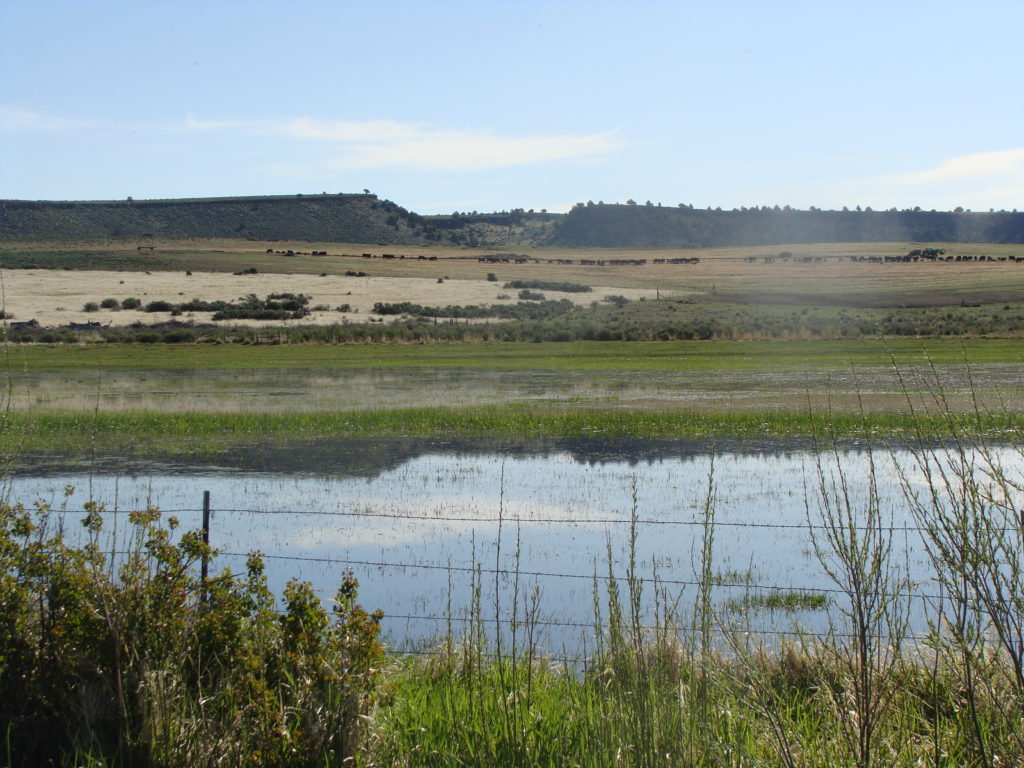
As land use laws in the late 1800s privatized the country amidst those who pushed back to keep some areas available for common use. The National Park Service was started in 1872 when it established Yellowstone National Park in Montana as a “public park or pleasuring – ground for the benefit and enjoyment of the people.” Since then, additional parks and monuments were carved from federal lands, mostly in the West. Today, there are over four hundred parks covering 84 million acres in 50 states and territories. Sadly, these parks are not wide open spaces where we are allowed to roam freely. There is a fee to pay and rules to obey that are set by the Department of the Interior.

Though 331 million people visit the national parks annually, many Americans oppose the idea of preserving public land. Since taking office, President Trump opened up 2 million acres for mining inside national monuments. Last week he finalized plans to open up part of the Arctic National Wildlife Refuge in Alaska to oil and gas development, overturning six decades of protections for the largest remaining stretch of wilderness in the country.

To get away from fenced in properties, gated communities, ghetto areas, and middle class neighborhoods visitors have to make appointments to camp in parks where they are instructed to stay on designated trails when they get there. Though cowboys still sing with gusto about wide open spaces where they’re not fenced in, their yearnings are not heeded.
References:

Gershon, Livia, (2019) Yes, Americans Owned Land Before Columbus. JSTOR, Business & Economics. retrieved from https://daily.jstor.org/yes-americans-owned-land-before-columbus/u

McMaken,R (2017) Did the Indians Understand the Concept of Private Property?  Mises Institute. retrieved from https://mises.org/wire/did-indians-understand-concept-private-property

Quick History of the National Park Service. National Park Service web site. retrieved from https://www.nps.gov/articles/quick-nps-history.htm

Prentice-Dunn, J. (2018) President Trump opens 2 million acres inside national monuments to mining. Westwise. retrieved from https://medium.com/westwise/president-trump-opens-2-million-acres-inside-national-monuments-to-mining-771917557aa4

Plumer,B & Fountain,H. (2020 ) Trump administration Finalizes Plan to Open Arctic Refuge to drilling. New York TImes. https://www.nytimes.com/2020/08/17/climate/alaska-oil-drilling-anwr.html

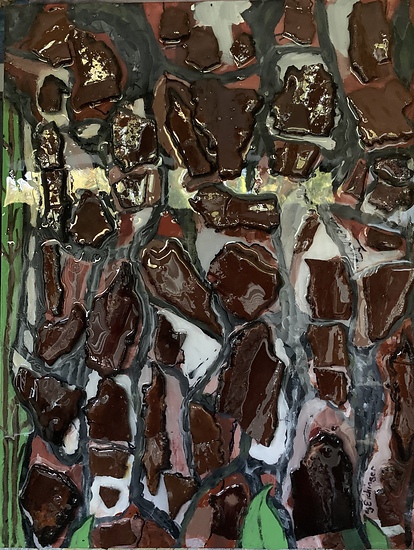
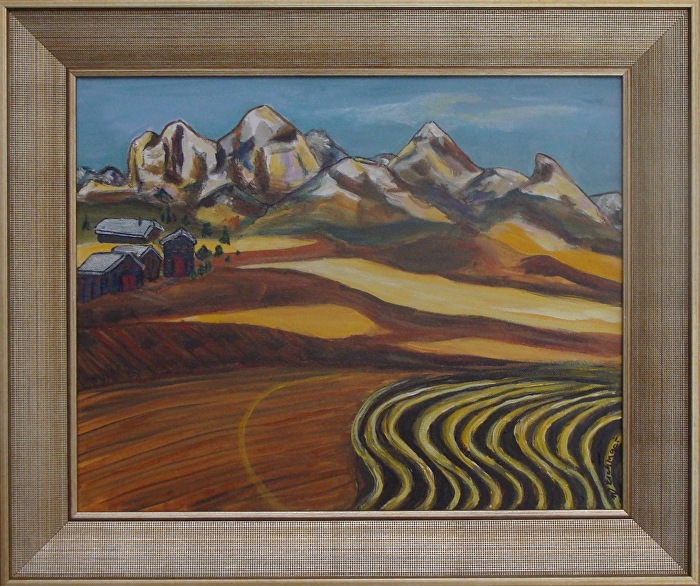
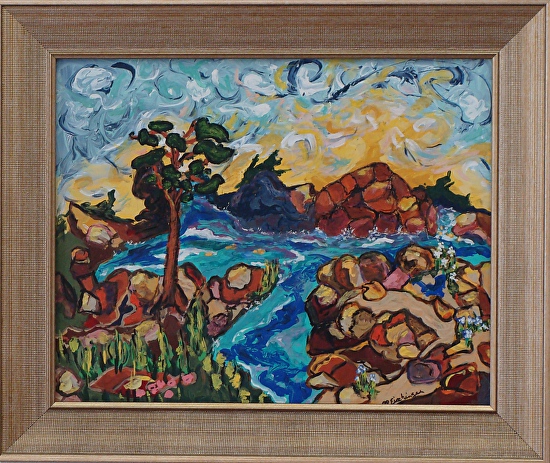
Works of Art are always for sale. Eastern Oregon Contemplative / Acrylic on Canvas/ Gold Frame/ 21” by 25” / $ 389

Bunnell,D (2015) Buffalo Holocaust. M. Retrieved from https://medium.com/@davbunnell/once-there-were-50-to-100-million-buffalo-they-were-the-most-numerous-large-mammals-to-ever-exist-e01a5bca9ed8
#Thinking as a rock wall

Rock Creek Awakens

The ability to think critically, imaginatively and creatively is core to our humanity. Yet, the way we go about thinking differs. Divergent thinkers commonly use imaginative techniques while convergent thinkers depend on logic. Lateral thinkers  use both convergent and divergent ways to solve problems. 

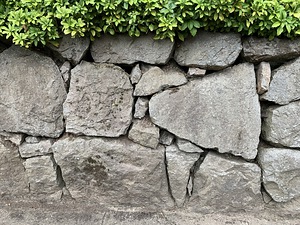
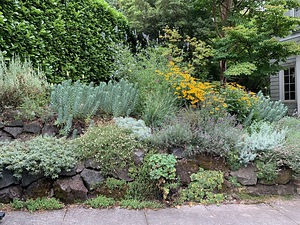
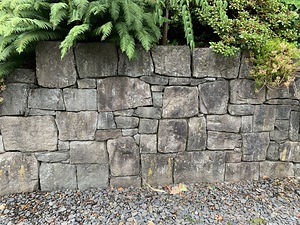
Examining walls on my walk through Portland neighborhoods makes me think about the way we construct our lives. I spoke to a few home owners who confirmed my suspicion that their walls mimic their thought processes, and, though my study is flawed since my sample is too small, there may be some truth to what I saw. The walls remind me that we spend our years putting puzzles that together help us stand firm and strong. The pieces we pick up are of varying size with some hard with jagged edges while others are soft. They often are intertwined and get pulled apart to be reassembled according to the way our brains work. 

As toddlers, we ascend steps to quarries filled with hard, solid pieces that were shaped through the ages. We approach with parents by our side holding our hands until we are old enough to carry a load out and assemble the pieces on our own. At first we step cautiously, not sure of what we will find or if we will be able to grasp and hold on to misshapen forms. We’re attracted to marble that sits shiny on top reflecting sunlight but notice vulcanized lava hiding below in dark, dreary crevices. It makes us afraid. We want to dig it out and throw it away.

 When older, we are anxious yet excited to go by ourselves to gather the pieces we need for our puzzle. We start by following the path our parents set out for us, but when the time is right we begin to think on our own and start to gather, shape  and build the puzzle as we want it to be.

 Some of us cut the pieces in squares and rectangles, making neat edges so they can easily be piled on top of one another and arranged in ridged formations. Those a bit more venturesome try circles. 

 No matter, for our convergent thinking leads us to set each shape, size and color in a designated place that follows lists, goals, and maps we laid out in advance. As the puzzle comes  together we examine it  carefully and see to details to make sure nothing is out of place. Odd shaped pieces are chiseled until they fit correctly—comfortably.

When an unexpected piece suddenly appears to  disturb the layout, we are upset until we find a way to put the pattern in order again. We tie them together with mortar so they won’t stray. Their rigid structure makes us feel secure. It defines what is write and good, not wrong and evil, and let’s us know how powerful we are, how perfect.  It holds us and lets us stand atop its strong foundation. 

Then there are those of us who don’t think in  straight lines, but diverge to explore many possible solutions. Though we see the big picture, to get there we let our imagination go wild and select pieces randomly until patterns emerge.  We view each heavy bolder and light pebble as unique and look for unusual ways to join them together so they’ll be sturdy enough to create a pleasing whole. Odd shaped holes are no bother for we know the puzzle will get filled in over time with the random chinks that we trip over as we walk. They are gems to be collected so that when their wisdom is revealed they give meaning and to our puzzle.

Some of us view what we do as organic for we blend hard objects of varying shapes and sizes and intermingle them with soft plowed earth and fragrant wild flowers. Though our divergent  method may appear chaotic, it really fulfills the same goal as that held by convergent thinkers. Our random approach creates a beauty that differs, is all. 

Many of us are hybrids who think outside the box—using a little of this and little of that. Our approach is indirect and creative, not immediately obvious and can’t be obtained by traditional step-by-step logic. By the time we are finished with our puzzle we’ve combined different shapes and sizes and made sure they fit tightly together.

Life’s task is to put our puzzle together so we can build a structure that will stand firm in the wind. Linear or convergent thinking  uses logic, rules and rationality to solve problems. It is a thought process that follows known cycles or step by step progression.  A response must be elicited before the next step is taken. Linear thinkers use a singular thought process leading toward completion while ignoring possibilities and alternatives. It is focused, sequential and methodical. 

Divergent Thinking is used to generate creative ideas by exploring many possible solutions. It tends to be free flowing and spontaneous. After exploring many alternative ideas, unexpected connections are drawn that are used to satisfy goals.

Lateral thinking, first coined by Dr. Edward de Bono, solves problems by using both and indirect and creative approach. It likes between classic step-by-step problems solving and brainstorming. It uses reasoning that is not immediately obvious and often pursues ideas that are not obtainable. It is what is mean when asked to think outside the box. Lateral thinkers start with a known idea with the goal of creating new ideas.  To do so they look for possibilities and alternative ways of solving problems. There may be starts and stops as they go down dead end paths before trying another approach. When an idea takes form it is usually plugged into linear plans.

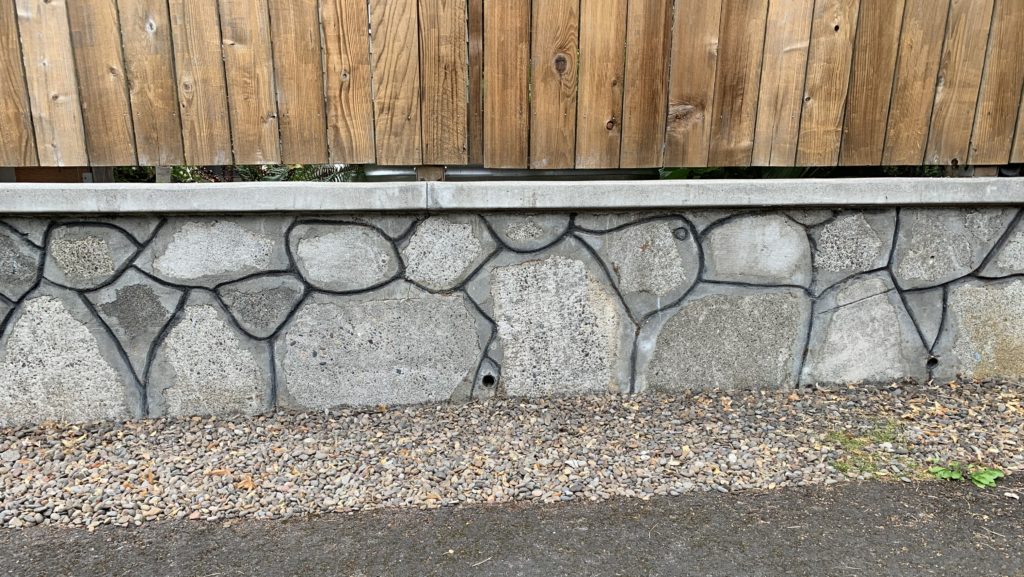
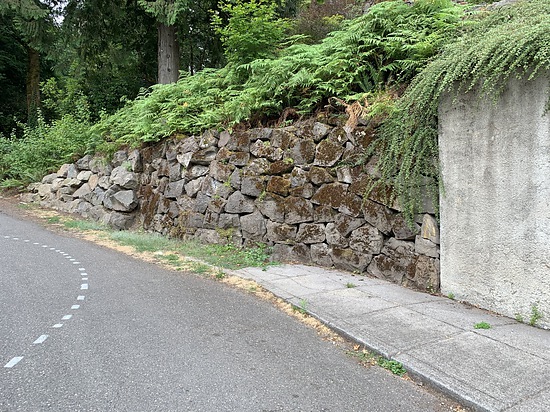
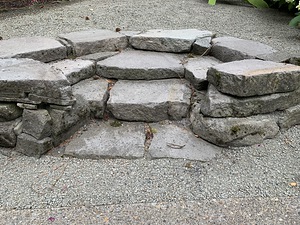
The picture below is the wall to an 60 year old house that had several owners, three of whom added to the structure.  It is interesting to surmise the thought processes the three used to built their lives.  

References:

Teachthought Staff (2018) Three Modes of thinking: Lateral, Divergent & Convergent Thought. Teachthought. retrieved from https://www.teachthought.com/critical-thinking/3-modes-of-thought-divergent-convergent-thinking/

de Bono,E. . What is Lateral Thinking. Dr. Edward de Bono’s web site.  retrieved from https://www.edwddebono.com/lateral-thinking

Team ZipRecruiter(2017)  How Lateral Thinking Can Help Your Career. Columbus Dispatch. retrieved from https://www.dispatch.com/ZZ/news/20171117/how-lateral-thinking-can-help-your-career

Lluks, H. MD (2017)Vertical vs Lateral thinking in Healthcare. retrieved from https://www.howardluksmd.com/medical-social-media/vertical-vs-lateral-thinking-in-healthcare/

What type of thinker are you. Do comment on my blog below.

Sorry but Rock Creek Awakens is sold. To see other work go to eichingerfineart.com.

#Trees

I think that I shall never see
A poem lovely as a tree.

A tree whose hungry mouth is prest
Against the sweet earth’s flowing breast;

A tree that looks at God all day,
And lifts her leafy arms to pray;

A tree that may in summer wear
A nest of robins in her hair;

Upon whose bosom snow has lain;
Who intimately lives with rain.

Poems are made by fools like me,
But only God can make a tree.

—From “Trees” by Joyce Kilmer

There once was a woodsman who worked very hard but was never content. One day, a old hermit saw him in the woods and the two men got to talking. At the end of a pleasant hour, the wise man revealed that he had special powers and would grant the woodsman three wishes. He was told to call out “Raven, Raven, Raven” and he would come to grant his wish. The woodsman thought for a moment and said, “I want a wish now. I am lonely and would like a wife to share my bed and keep me warm  at night.”  

That evening, on his way home from work he passed a maiden traveling in the same direction. She had long hair the color of a red pine tree that sparkled in the sun. They smiled at each other and fell instantly in love. The couple got married and before long they had five children, three boys and two girls. After the birth of their fifth child, the woodsman’s wife complained that they needed a larger house, one that reflected his improved station in life, for he had become a lumberman who wore a shirt and tie to work. 

  The woodsman remembered the hermit he met in his youth. It had been a long time since their last meeting but he called out to see if he was a man of his word. ”Raven, Raven, Raven,” he cried and the old man appeared in his office. “My wife complains that the roof over our head is too small,” the woodsman said. “I need a house that make her happy and impress my business partners.

That evening when he returned from work, his wife gave him a smile as she did when they first met.  She stood in front of a large red door with a brass knocker the size of his forearm.  The white mega mansion before him had eight majestic columns that supported a porch with rocking chairs and a rocking horse for their youngest child. Inside were five bedrooms and a dining room table made of the finest mahogany that was large enough to accommodate his family and friends. The woodsman and his wife were content watching their children grow, marry, and have children of their own.

One day, the woodsman looked in the mirror and saw wrinkles and hair that was grey. He \went to the office but could only work a few hours before  his back started hurting. It wouldn’t be long before he died, he thought.  He started to brood, drank too much, and complained about the unfairness of life to all who would listen. Sitting alone in his rocker one day, he remembered he had one more wish he could ask of the hermit. “Raven, Raven, Raven,” he shouted in a grumpy, demanding voice. 

The old man appeared at once. “What do you want now?” he asked annoyed. “You have a loving wife, a mansion to come home to, five children to give you grandchildren to bounce on your knee, and gold bars in your vault for retirement. What more could you need?”

“Use your magic to make me live as long as any living thing on earth so I can  watch life pass through the ages,”  he said.

In the blink of an eye, the hermit disappeared and the woodsman was turned into a 2,500 year old sequoia tree. He stood majestically by a trail in a western forest overhearing young lovers pass by and enjoying the feel of wind as it rustled its limbs. “I am the oldest and wisest tree alive in these woods,” he said to his neighbors. “I know all that is happening and watch people come and go as the years pass.”

Then, one day, a lumberman came by and saw the tree standing so taller than any tree in the woods. “Let’s cut it down, he said to his partner. We’ll make a lot of money and have firewood left over to bring home to our wives.”  And so they did.

__________

I love trees. Many of my walks are at the arboretum where I’m especially aware of the shape and feel of the bark of various species.  On narrow trails, it is difficult to look up at the crown of a tree without tripping on a root as I walk, so my eyes stay closer to earth. When I look around it is at head level where I take note of the trees’ bark.  I am surprised at how soft and spongy California Redwoods and Giant Sequoias feel to the touch as compared to native Douglas Fir trees. Some of the bark is dark with deep furrows like the lines that gouge an old person’s face while other bark is lined with long textured. 

 Do you remember studying trees in biology class? It’s good to remember how these beautiful organisms cool the earth with their shade and release oxygen so we can breathe. Trees absorb carbon dioxide and the heat-trapping greenhouses gasses human activities emit.  But, recent research shows that trees also communicate with each other. I wonder what they say as I walk by.

Best selling author and forester, Peter Wohlleben, in The Hidden Life of Trees: What They Feel, How They Communicate, was revolutionary when he wrote that trees of the same species are communal and form alliances with trees of other species. Botanists call his discovery of an underground fungal network the “wood-wide web.” They share water and nutrients through networks and communicate information about drought, disease and insect attacks. Distress signals are dispatched through hairlike root tips that join together with microscopic fungal filaments they use to send chemical, hormonal and slow-pulsing electrical signals that scientists are just beginning to decipher. They also communicate through the air, using scent signals. 

Trees alter their behavior when they receive distress messages. For instance, trees in Africa can make their leaves taste bad when giraffes start nibbling on nearby branches. Trees can loan one another sugars where there are deficits from seasonal changes which is particularly beneficial between deciduous and coniferous trees. Crackling sounds heard in the roots of some plants are inaudible to humans and have yet to be interpreted.

When Wohlleben attended forestry school he was taught that trees needed to be thinned, that helicopter-spraying of pesticides and herbicides was essential, and that heavy machinery was the best logging equipment, even though it tears up soil and rips apart the mycorrhizae. He worked this way for more than 20 years until he visited a few privately managed forests in Germany, which were not thinned, sprayed or logged by machines. “The trees were so much bigger and more plentiful,” he observed. “Very few trees needed to be felled to make a handsome profit and it was done using horses to minimize the impact.”

At the University of British Columbia in Vancourver Canada, Suzanne Simmard and her grad students study the sensitivity and interconnectedness of trees in the temperate rainforests of western North America.  They found that when a tree is cut, it sends electrical signals, analogous to pain, into its tissues. A group of scientists from Tel Aviv University also confirm that some plants emit a high-frequency distress sound when in environmental stress.  

Simmard  also identified some trees as hub trees, or “mother trees.”  Mother trees are the largest trees in forests and act as central hubs for the network below-ground.  For young saplings trying to survive in a shaded part of the forest, the network is a lifeline. Mother trees support seedlings by injecting them with a sugary fungi.  They change their root structure to make room for baby trees. Simmard says that to have resilient forests in an era of rapid climate change, large trees need to be conserved for they form the heart of a forest’s communication network and are the lifeblood of the next generation.

Forests compose over 30 percent of the world’s land area, but are disappearing at an alarming rate.  Between 1990 and 2016, 502,000 square miles were lost, an area larger than South Africa. Eighty percent of the Earth’s land animals and plants live in forests. Over 250,000 million people reside there and depend on trees for subsistence and income. 

Countries that preserve forest ecosystems give conservationists a reason to hope. In addition to reducing carbon emissions and deforestation, billions of trees need to be planted across the globe and a sprinkling of nations are heeding their call.  The Billion tree Campaign is managed by the nonprofit Plant for the Planet Foundation. Tree planing  is the biggest and cheapest ways of taking CO2 out of the atmosphere to tackle the climate crisis. But, we need to start now because it will take 50 -100 years to reach its full effect of removing 200bn tonnes of carbon.

Below is the ranking of the top 100 countries in terms of how many trees they’ve planted last year.

RankingCountryTrees Planted
1China2,407,149,493
2India2,159,420,898
3Ethiopia1,725,350,234
4Pakistan1,006,776,724
5Mexico789,307,032
6Turkey711,103,088
7Peru646,502,236
8Nigeria626,725,667
9Kenya534,680,609
10United States315,586,982

A society grows great when old men plant trees whose shade they know they shall never sit in.”

–Greek Proverb

KNOW YOUR TREES

There are five parts to a tree;

  1. Crown

The top of the tree is the crown, made up of the leaves and branches that come in many shapes and sizes. The crown has numerous jobs:

  • shades the roots
  • collects energy from the sun (photosynthesis)
  • keeps it cool by removing extra water
  1. Roots

Trees have a lot of underground roots — the size of the root system is usually as big as the part of the tree above the ground. This is essential because the roots help support the tree so it won’t fall over, but its main job is to collect water and nutrients from the soil and to store them for times when there isn’t as much available.

  1. Leaves

Leaves, part of the crown of a tree, convert energy into food, which is mostly sugar.  They contain chlorophyll which gives leaves their green color. Chlorophyll is a critical biomolecule, used in photosynthesis which leaves use the sun’s energy to convert carbon dioxide from the atmosphere and water from the soil into sugar and oxygen. The tree’s food or sugar is either used or stored in the roots, trunk, and branches. The oxygen from this process is released back into the atmosphere.

  1. Branches

Branches serve as support to distribute the leaves efficiently for the type of tree and the environment. They are conduits for water and nutrients and store extra sugar.

  1. Trunk

The tree gets its shape and support from the trunk which holds up the crown. The trunk is the main transportation water and nutrients from the soil and sugar from the leaves. The bark, cambium, heartwood, phloem, and xylem are the five different layers that make up the trunk.

The outer bark is a protective layer made up of dead cells, much like fingernails.  The inner bark, made of living cells, is mainly there to carry sap full of sugar from the leaves to the rest of the tree. The Cadmium is the layer of living cells inside the bark that makes new cells to allow the tree to grow wider each year.

Sapwood (Xylem) is a network of living cells that bring water and nutrients up from the roots to the branches and leaves.  In the center of the trunk is the heartwood. It is dead sapwood and is the hardest part of the tree, giving it strength.  Pith, in the very center of the tree has tiny dark spot of spongy living cells that carry essential nutrients up through the pith. Since it is in the center it is protected from damage by insects, the wind or animals. 

Folk tale is an adaptation of a story I heard years ago.   

References:

Grand, R. (2018)  Do Trees Talk to Each Other?  Ask Smithsonian. retrieved from https://www.smithsonianmag.com/science-nature/the-whispering-trees-180968084/

Nunez, C. (2019) Deforestation. National Geographic. retrieved from https://www.nationalgeographic.com/environment/global-warming/deforestation/

Stanton, K. (2019) Which Countries are Planting the Most trees? UnitGuide. retrieved from https://www.uniguide.com/countries-planting-the-most-trees/

Carrington, D. (2019) Tree planting ‘has mind-blowing potential’ to tackle climate crisis. The Guardian. 

https://www.theguardian.com/environment/2019/jul/04/planting-billions-trees-best-tackle-climate-crisis-scientists-canopy-emissions

Kahn, S (2019) A Group of Scientists Suggest that plants Feel Pain. The Scientist. retrieved from https://www.sciencetimes.com/articles/24473/20191218/a-group-of-scientists-suggest-that-plants-feel-pain.htm

I enjoy hearing from you. Please comment on my blog site below.

Art is always for sale. Contact me at marilynne@eichingerfineart.com

Japanese Red Pine is a mixed media piece that includes tree bark. It’s base is acrylic on deep canvas / 20” by 16” / $325.

The Maple tree is acrylic on deep canvas / 20” by 16” / $325.

#Pandora’s Box

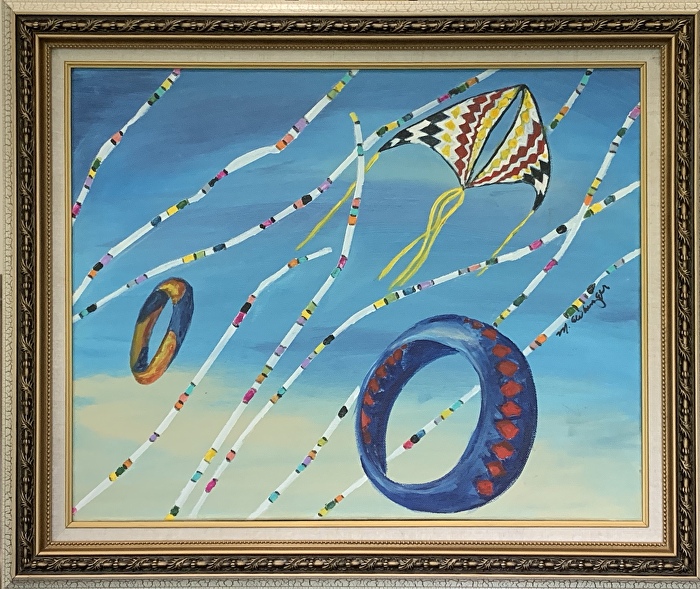
 Flying High (#4 of Coronavirus series)
Pandora’s Box is open, and it’s evil is free to fly alongside all that is good.

Pandora’s Box

The lid to Pandora’s Box is raised. Previously, a trickle seeped through holes some lawmakers tried to plug, but evil now rushes out and seemingly can’t be stopped. The pandemic flies out as nature’s way of demonstrating who’s boss. It is followed by poor leadership that helps it stay in power and multiply. It produced an economy in shambles with food banks stretched to the limit. People without jobs live in fear of losing their homes and being forced to shelter in cars or on the streets. Youth tired of isolation, party in crowds while religious zealots pray en-mass. Since ignorance and self-centeredness flew from the box at the same time, they don’t wear masks. So, illness increases, deaths rise, and hospitals are stretched to the limit. When boredom was released, social distancing collapsed and witch doctors with voodoo beliefs in medical cures contrary to scientifically backed research from the CDC, floated untruths heard by a leader more interested in money than health care.

Out of the box marched troops stirring up riots in Portland, a city where protesters had dwindled to fewer than 100. With hatred and power on the loose, the storm troopers escalated the situation until more than 2000 people protest nightly. The Federal troops withdrew from public view last Friday but are not leaving. On the 29th of July, the Justice Department said it would send law enforcement officials to Cleveland, Milwaukee, and Detroit.  Leaders in Portland, Seattle, Chicago, Kansas City, Albuquerque, and Washington sent a letter imploring Congress to make it illegal to send federal agents to cities where they are unwelcome. Chicago troops are buttoned down inside a federal building waiting for orders.

The virus and protests are nothing compared to how democracy has been eroded. They are simply distractions that hide what was set in motion years ago when evil began seeping out of Pandora’s Box. Finding the combination to unlock it has been in the works since the 1960s civil rights movement. Two books provide a roadmap to what is happening today.

Nancy MacLean, a Professor of History and Public Policy at Duke University, published Democracy in Chains: The Deep History of the Radical Right’s Stealth Plan for America after spending ten years doing in-depth research.She was on  a quest to find the origin of the far right movement.The book won many awards including the Nation’s “Most Valuable Book” award and it was a finalist for the National Book Award.

Watching troops deployed to Democratic cities and hearing Trump threaten to postpone the next election, demonstrate they way Americans are manipulated. Since he became president, distanced the country from democratic Allies, undermined NATO, pulled out of the World Health Organization, negated treaties around global warming, and threatened international trade. He befriended dictators and masterfully divided the country by distracting us with comments that instill hatred and fear.

What  we see today, is the result of years of brilliant, well-funded planning. Economist James McGill Buchanan at the University of Virginia put the wheels in motion in the wake of Brown vs. Board of education in 1955 by initiating a program aimed at  undermining the ability of the majority to use its numbers to level the playing field between the rich and powerful and the rest of the nation. Buchanan divides the country into “makers” and “takers” and trained a select group of students in how to convert Americans to embrace economic freedom for the wealthy.  

When the Koch brothers heard of his program they got involved  and made millions of dollars available to start think-tanks such as the Heritage Foundation, Americans for Prosperity, The Cato Institute, Freedom Works, ALEC, and the Reason Foundation. Each one focuses on a singular area—schools, courts, media, constitution, taxes, etc. The far right eventually took Republican party away from its moderate wing and the Federalist Society spun out Libertarian judges and had them appointed to the federal bench in record numbers.

Realizing that change had to occur slowly by subterfuge, they were patient. They set goals to privatize Social Security and Medicare, eviscerate the environment, control medical insurance and financial regulators, bust the unions, marginalize federal bureaucracies like EPA and CDC, cut taxes for the rich and corporations, and suppress voting rights. Plans call for an oligarchy in all but the outer representative form. With Mike Pence as Vice President,  a longtime loyalist was in the White House to work with like minded Republicans in the House and Senate, in State Governments and the courts. The pandemic gave them with two trillion dollars to spend as they wish. I imagine much of it is being used to prop up the stock market. 

James Buchanan was hired by Augusto Pinochet in Chile to help him rule. The arrangement provided him with an opportunity to try out his ideas. They worked well enough to keep a right wing dictator in power for seventeen years. During that time they changed the courts and constitution so that even though Pinochet was kicked out of office, the laws of the land continued to operate.

To succeed back at home, the group needed a voting block that would not get in their way, so they chose to bring in the religious right. Planners weren’t concerned about dogma as long as religious leaders got people out to vote. If someone wants to date a call girl or have affairs outside of marriage, they do so without worry. If a wealthy woman needs an abortion, she gets it. They lie, cheat, steal and travel in an insular world away from the masses.

The way the religious right is involved in the plan is spelled out in the The Family: The  Secret Fundamentalism at the Heart of American Power by Jeff Sharlet (now a Netflix film). I know several people who are members of The Family. They attend prayer breakfasts in Washington and subscribe their truncated “Jesus Plus Nothing” bible. In Jesus Plus is a selection of passages from the bible that support those who have  money and power. The book describes The Family as being the most influential religious organization in Washington. It is interwoven with the affairs of nations worldwide and rules through backroom diplomacy. It was instrumental in changing laws in Uganda that have Gays and Lesbians stoned to death. They brainwash dictators into believing they are chosen by God because of their wealth or position of power. The autocrats are told they can do nothing wrong for their sins will be forgiven in heaven. The people I spoke to who are (or were) on the inside of the Family, confirm that everything Sharlet discusses in his book is accurate.

Democracy in Chains and The Family  are well documented investigations, and should be read by anyone who wants to understand what is happening to the country. The planners are smart, secretive, and have been testing their ideas for over sixty years. They  have been meeting regularly with similar secret societies operating abroad. Americans should be terrified that Pandora’s Box stays open. We need to find a way to put the evil back in and close the lid again.

This fall, I plea with you not to sit back. Let your meditation lead to action. This movement cannot be willed away by chanting love and peace. Understand what is going on and get involved. Help change the leadership of the country. Make phone calls. Write letters. Talk with friends who don’t agree with you and seek common ground. This is a Democracy, and we each have the right to an opinion. Democracy requires us to fact check, and not react to emotions, hearsay or gossip.  Remember the quote from  Martin Niemöller during the Nazi rise in the 1930s.

First they came for the socialists, and I did not speak out—
     Because I was not a socialist.

Then they came for the trade unionists, and I did not speak out—
     Because I was not a trade unionist.

Then they came for the Jews, and I did not speak out—
     Because I was not a Jew.

Then they came for me—and there was no one left to speak for me.

That is how peaceful protesters felt who were pulled from their cars and off the streets of Portland and shoved into unmarked SUVs by an occupying military force.

References:

Klein, C. (2020) Trump is strong-arming Cities with Even More Federal troops. Vanity Fair. retrieved from https://www.vanityfair.com/news/2020/07/trump-strong-arming-cities-with-even-more-federal-troops-portland

France 24 (2020)Troops to deploy in three more US cities as federal forces begin Portland withdrawal. Americas. https://www.france24.com/en/20200729-troops-to-deploy-in-three-more-us-cities-as-federal-forces-begin-portland-withdrawal

Sharlet, Jeff.( 2020) Jesus Plus Nothing: Undercover among America’s secret theocrats. Hoper’s Magazine. retrieved from https://harpers.org/archive/2003/03/jesus-plus-nothing/

Farrant, A. & Tarko, V. ( 2019) ( James M. Buchanan’s 1981 visit to Chile: Knightian democrat or defender of the ‘Devil’s fix’?. Ideas. retrieved from https://ideas.repec.org/a/kap/revaec/v32y2019i1d10.1007_s11138-017-0410-3.html

Long, C. & Colvin, J .(July, 22, 2020) Trump deploys more federal agents under ;’aw and order’ push. Associated Press. retrieved from https://apnews.com/eaa951c352353133c0ea95c12fa05781

_____________

Feel free to forward article to your friends. 

And pease, do comment on my Blog Site.

Art is always for sale. Contact me at marilynne @eichingerfineart.com

Flying High – 20” x 16” plus frame / acrylic on canvas / $325

#Wings Set me Free

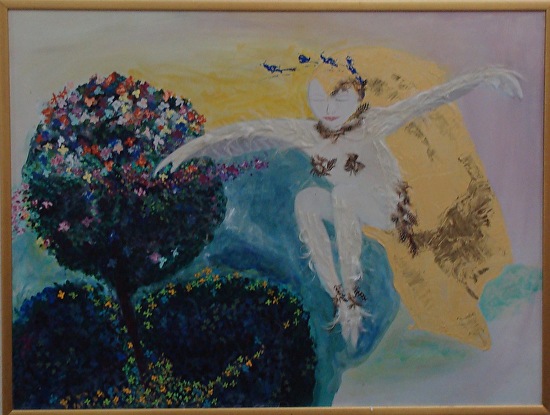
    Soaring by Marilynne Eichinger

Roots Hold Me Tight

There is a song I sing to life that has a phrase in it that says, “roots hold me tight, wings set me free.” Those words keep circling through my mind as the protests, riots, and brutal responses by federal forces keep me awake at night with flash grenades and helicopters orbiting overhead.  I lay in bed thinking about the roots that hold people tight and what it takes to acquire wings to be set free to soar.  And, I try to imagine what would happen if everyone was free.

My thoughts about roots coalesced quickly, for I believe people are held tight by love, pride, and prejudice.  My family held me close with their love. And, they indoctrinated me to feel pride in my heritage, community and country. That pride was strengthened by the prejudice some relatives expressed against people of color, those they labeled “white trash,” Germans who allowed six million Jews die in death camps, religious fundamentalists, and ignorant people who don’t question. By putting people down, they elevated our family to a higher plain. 

I imagine that love, pride, and prejudice in one form or another, hold most people tight during childhood. The wings that carry them to freedom are acquired over time by living fully. 

George Floyd’s murder shook many people free from root-bound prejudices about people of color and the legal system. It enabled them to fly over military forces through the lens of the media and see them attacking their own countrymen and women. It opened their ears to  what is being said in newscasts about injustices and slights to African-Americans. They’re taking stock of the perils of dictatorship and what happens when  leaders lie. 

I discovered freedom through studies in anthropology and psychology and by observing the way my physician father treated black, white, poor and middle class patients alike. I came to understood that people analyze what they take in through a lens that is unique to them and gained my first set of wings that let me soar high and look down  at the depth and breadth of humanity.  Science museums provided me with a second set of wings to send me staring into the universe until I realized I am less than a particle of dust in the grand scheme of things. 

Loosening shackles and flying freely brings with it responsibility. Breaking free from chains that cause doubts in your own abilities and living without fear of making mistakes requires you to be strong enough to make your own decisions. Yet, the freedom to love yourself, to pursue dreams, to travel to experience life fully, and to deepen relationships carries constraints. If every person was free without limitations or controls there would be anarchy. 

The Declaration of Independence, a document written to confirm that thirteen colonies were free from Great Britain did not acknowledge the land taken from the Native peoples already here. A person’s freedom can easily encroach on another person’s rights, which is why our country developed laws to govern based on democratic principles. Wings break, causing fliers to fall from the sky when rules are not honored.

My roots that are built of love remain strong, tight and nurturing, and when I find weak ones filled with pride and prejudice, I cut them off.  I use my wings to soar above the clouds occasionally, knowing I have a secure landing spot to return to after venturing forth. When flying, I’m aware there are others in the air and that the success of my flight depends on their success as well. 

Please share your thoughts on my Blog Site below.

Art is always for sale. Contact me at marilynne@eichingerfineart.com

Soaring-  acrylic on canvas / gold frame /  38” x 49” /  $750 

#Homewithkids

Oregon Museum of Science and Industry

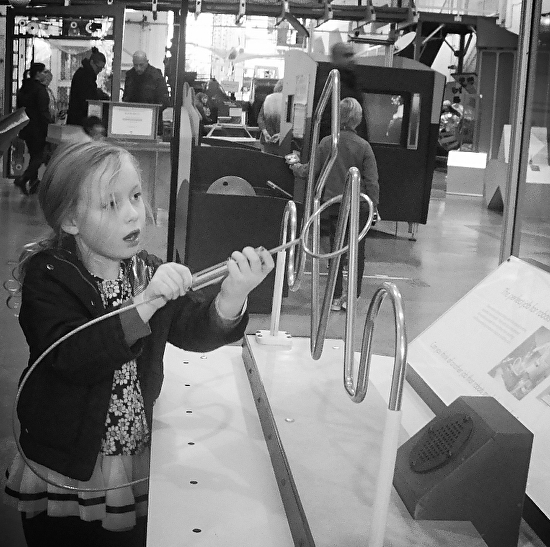
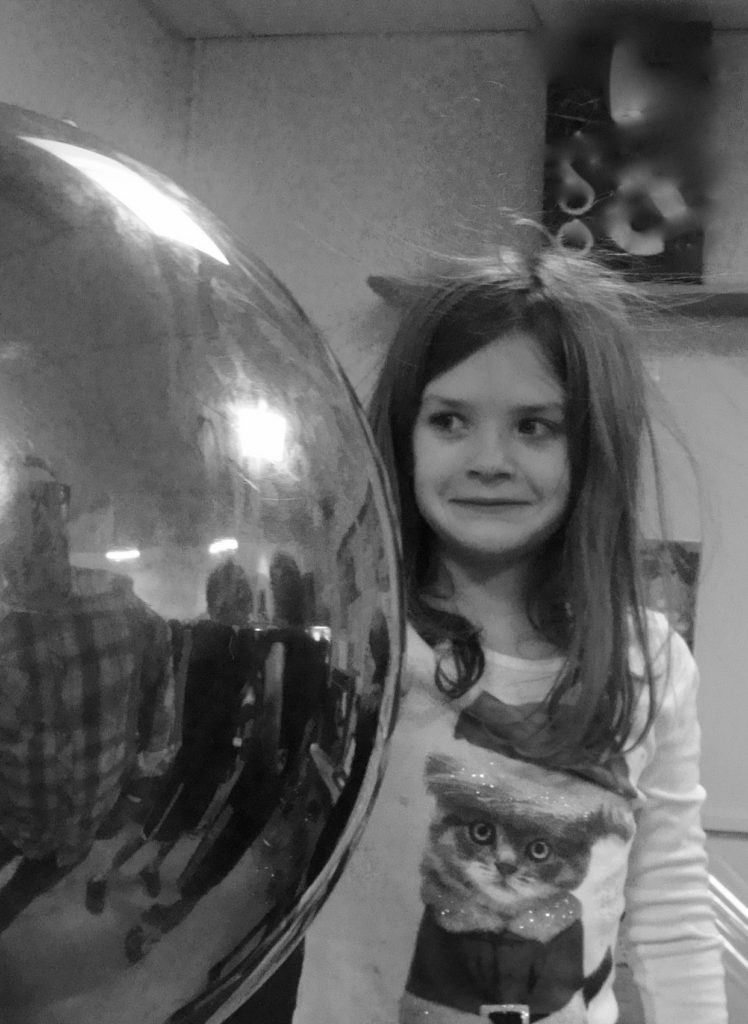
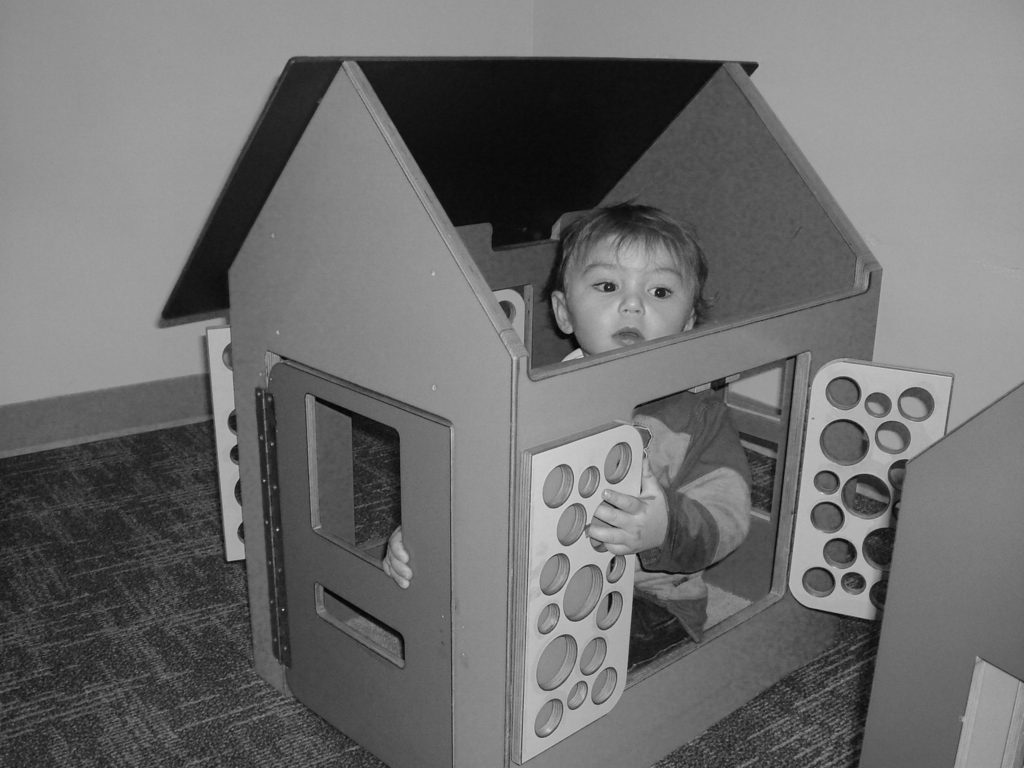
Starting a museum in my home inspired me to a career managing science museums. Since Covid-19 makes it difficult for children to explore them at will, it may be time to think about doing something similar for your young ones.

Home with Kids?

Taking care of children is not easy at any time but with school closed and unlikely to reopen full time in September it is a particularly stressful time for parents. Those who work from home balance schedules with frequent interruptions that vary from, ” I’m bored,” to ” I scraped my knee and it’s bleeding,” to ” Gillie stole my green nail polish and won’t give it back. She’s impossible. You’ve got to punish her.”

A system that helped me when four rowdy children were under foot was to turn a part of the house into a children’s museum. I was fortunate to have a basement play room, but a child’s bedroom can work just as well. According to The American Association of Children’s Museums, “A children’s museum is defined as an institution committed to serving the needs and interests of children by providing exhibits and programs that stimulate curiosity and motivate learning.”

That definition fit the way my husband and I arranged furnishings when the children were young. We lived quite a distance from a hands-on museum, which is why we decided to convert our home into one. The main challenge was one of organization, so I applied a hybrid Montessori method to our basement playroom.

Maria Montessori, a 19th century physician turned educator, developed Casa dei Bambini, a school for low-income children in Italy. As she experimented with curriculum and classroom design “she began to see independence as the aim of education and the role of the teacher as an observer and director of children’s innate psychological development.” Dr. Montessori believed young children were sensitive to order, enjoyed repetitive activities and were happiest doing practical things. She developed a kid-sized environment where materials were within a child’s reach and could easily put back when the child finished with then. Over the years many sophisticated materials were designed to be used by teachers specifically trained in Montessori methodology. The well crafted materials are quite expensive and made to withstand use by hundreds of children. Over the last twenty-five years, toy manufacturers duplicated most Montessori materials and made them available to parents at more reasonable prices.

I did not have the training or money to set up a Montessori school, but I was able to organize a child-sized, child-centered environment. I assembled a wall of bookshelves and designated locations to hold subject specific toys. There were shelves for construction toys, a place for math manipulatives, a book nook, and a language and writing area. We had a puppet stage with a place to store puppets and backdrops, an area for many types of puzzles, dress-up stations and a craft center. A carpentry bench placed next to my husband’s workbench held safe tools that let children take apart discarded machines and pound nails into pieces of wood. In the living room we installed a music pole and attached clips to hold percussion instruments.

Part of the secret to a successful home museum is introducing toys (activities) one at a time, challenging the next skill level. It took time to show the children how to use the toys properly. After demonstrating how a product was used, I observed to see how well my directions were followed. Children were encouraged to master the way the toy was designed to be used before exploring other options for using the material. The goal was for the child to master an activity, feel good by being successful, and become motivated to take on the next challenge.

 Toys had to be returned to their proper location before a child was allowed to take another toy. Training children to put items away is accomplished effortlessly if taught to do so when young. Keeping areas clear for the next project makes cleaning up manageable and provides space for the child to focus on what he or she is doing. 

Planning for a hands-on museum takes time, but once it’s operational, the time required by the parent to oversee the endeavor decreases because the system put in place promotes independence. Children are free to select what they want to do. When they take their work to a clean location they are able to concentrate on the task at hand, progressing to increasingly complex activities as skills are acquired. Independence is the goal.

A home museum can be arranged for a child as young as two-and-a-half years. It is best to start with a few toys that are within the child’s reach so it can be fetched and returned without an adult assisting. When several children use the same space, each child is taught which items he or she has earned the right to use. The system works well for older children, though they are likely to branch out and use the materials more creatively. Older siblings who’ve mastered activities should be taught to help their younger brothers and sisters.

A hundred years ago, such a Montessori approach would not have been necessary because families taught children while doing daily chores.  I read of a ten-year-old boy in a pioneer family who homesteaded in Colorado in the 1800s. He assisted his father build their house in the prairie, fed the pigs, helped raise the barn, built fences and sheds, and assisted digging a well. His sister worked in the garden with her mother and was taught which plants to gather in the woods to cure illnesses. She practiced fractions and measuring when sewing, cooking and a cutting pies into enough slices to feed the household and their guests. These children didn’t need to play with blocks, toy sized stoves, or puzzles since helping the family survive  was challenging enough. Construction and household skills were passed down from parent to child. Those who experimented were rewarded by figuring out a way to make things easier.

To reinforce hands-on play it helps to observe people engaged in physical work. My kids and grandchildren loved visiting construction sites, and I still find it fascinating to watch cranes hauling supplies sixty stories in the air. As they aged they enrolled in physics and chemistry classes and went to science camps each summer.

Though I am not a physicist, I enjoyed high school physics classes because they gave me a basic understanding of mechanical advantage and how machines operated. They peaked my curiosity. We also visited farms, went into restaurant kitchens, saw how pizzas were flung in the air, and watched hot air balloons lift off from fields. The experiences they had created a lifelong love of learning. 

Barry Eichinger, past exhibit director at Charlotte’s Discover Place, raised creative children by encouraging them to look closely at the world around them. While walking in the woods, Barry encouraged his children to explore, wander, and wonder. He talked animatedly to his offspring as pointed things out sow they noticed the impact they had on the environment and took stock of what they saw. On excursions they returned with rocks, insects, and samples of stream water to view under microscopes. Local flora and fauna stimulated hours of discussion after their journey. The trips were informal, intuitive, and without structure and incorporated inquiry-based learning as they went. Though this children did not grow up to be scientists, they use the scientific method at work to problem solve.

When I ran the Museum Tour catalog I organized it like my home playroom. Each page represented a subject specific section of shelves holding a range of materials to educate mind and body and to stimulate the senses. My goal was to make it effortless for parents to set up a museum for children in their homes. It is easy to purchase toys that are downsized versions of exhibits found on the floors of science centers and children’s museums. Designing your own museum is much easier to do than when my children were young.

Art is always for sale. Contact me at marilynne@eichingerfineart.com.

#Opinion-mine matters too

High Desert Sunset

The sixth painting in my Coronavirus series. In the face of protests, illness, isolation, political devisions and withdrawing from world organizations, walks though natural settings calm me. I marvel at the way it changes with the seasons and appears different as daylight turns to dusk. The atmosphere is contemplative and peaceful away from news. Meandering the hills of Oregon’s High Desert is purifying , returning me to center. I come home refreshed and ready to step into the rhythm of my daily routine.  (Sorry, but the painting is spoken for) 

OPINIONS-MINE MATTERS TOO

On July 7th, Harper’s Magazine posted communication online titled— A Letter on Justice and Open Debate.  It will appear in print in the letters section of the magazine’s October issue. The letter is a wake-up call to people who are quick to judge, act and react without debate.  Though the writer’s concerns had been bubbling in conversation for some time, the letter was sent in the midst of unrest caused by the killing of George Floyd and Rayshard Brooks  and the unease of sequestering, job loss, illness, and uncertainty.

It acknowledges the importance of ongoing protests calling for social justice and racial equality but segues to the growing intolerance for disparate views. The authors are especially critical of liberals unwilling to hear any voice but their own. Though they mention the call for police reform and “greater equity and inclusion,” they argue that the way we are proceeding bans opposition and weakens the norms for “open debate and toleration of differences in favor of ideological conformity.” 

They remind us that the free exchange of information and ideas is the lifeblood of a liberal society and that censorship that used to be assigned to the radical right comes more frequently from the left as well. Liberals, they say, are blind sighted by their ideas of what is morally right and give “swift and severe retribution in response to perceived transgressions.”  They use moral certainty to shame and ostracize questioning people who want to take a deeper look at issues. There is mention of recent dissidents fired for expressing opinions contrary to current public sentiment, for publishing controversial articles, and for circulating peer reviewed research with outcomes that don’t support popular beliefs. Teachers have been let go for quoting literature that might make students think critically and broadly about a subject.

The writers conclude that we are creating a stifling, intolerant atmosphere, one in which democracy will suffer.  Intellectuals need room to experiment, take risks, and make mistakes without fear of reprisal. The letter is signed by 153 well known scholars, journalists, and artists including such luminaries as Norm Chomsky, David Brooks, Salman Rushdie, Gloria Steinem, and J.K. Rowling. 

Adding to the debate over intolerance and freedom of speech is the criticism directed at Facebook, Twitter, Tik Tok, and other social media platforms. It is difficult to decide if Edward Snowdon is a hero or traitor for stepping forward. Complaints abound from right and left leaning voices, politicians, social clubs, welfare, organizations, and religious groups. They come at a time when hate speech is rampant at campaign rallies and conspiracy theories abound turning men like Bill Gates into a pariah by linking him to the onset of Covid-19. Malicious rumors spread like lightning through the internet leaving people angry, afraid, confused and harmed. Scientists are distrusted while the anti vaccine  and flat earth movements grow.

We watch while residents in countries like Hong Kong lose their rights, making many of us wonder if we will be next. Our right to privacy is all but gone.  I can’t think of a more important and timely discussion to have than one centered on open-mindedness and the limits to be placed free expression.   

To deepen this discourse, I copied excerpts from an article about the letter to Harper’s that was written by Jennifer Schuessler and Elizabeth Harris for The New York Times on July 7, 2020. 

“The debate over diversity, free expression and the limits of acceptable opinion is a long-burning one. But the letter, which was spearheaded by the writer Thomas Chatterton Williams, began taking shape about a month ago, as part of a long-running conversation about these issues with a small group of writers including the historian David Greenberg, the writer Mark Lilla and the journalists Robert Worth and George Packer. . . 

“He said there wasn’t one particular incident that provoked the letter. But he did cite several recent ones, including the resignation of more than half the board of the National Book Critics Circle over its statement supporting Black Lives Matter, a similar blowup at the Poetry Foundation, and the case of David Shor, a data analyst at a consulting firm who was fired after he tweeted about academic research linking looting and vandalism by protesters to Richard Nixon’s 1968 electoral victory. . . (Do click on these links. They are illuminating.)

Such incidents, Mr. Williams said, both fueled and echoed what he called the far greater and more dangerous “illiberalism” of President Trump.

“Donald Trump is the Canceler in Chief,” he said. “But the correction of Trump’s abuses cannot become an overcorrection that stifles the principles we believe in.”

“What concerns me is a sense that a lot of people out there seem to think open argument over everything is an unhealthy thing,” he said. “I’ve spent my whole life having vigorous arguments with people I disagree with, and don’t want to think we are moving out of this world.”

I too am concerned about the issues raised above, and experienced them first hand on July 4th.  As we do every year, we flew the Betsy Ross flag to commemorate the country’s independence from England but this was the first time we had people stop at our house and ask us to take it down. The recent protests had made them aware that there was slavery in the thirteen original colonies and that we took land from Native Americans, but  rather than accept our history and decry that part of it, they wanted to wipe the slate clean as though it never happened. As they watch fireworks they forget the struggle for freedom from a foreign power, that thirteen colonies united as states under a constitution, and that Betsy Ross’s flag flew over the new nation. What they did not perfect, but the country they formed were an improvement over monarchy.

It is important to know history and to understand it within the context of the period about which it was written. It allows for reasonable discussions that can help us decide what changes we want to make and the best way to do so.  There is an advantage to listening to scientists,  historians, thinkers and dreamers  for they help us grow and get better. They lead the way for America to become great.

You can read the letter in its entirety:  Titled “A Letter on Justice and Open Debate,” and signed by 153 prominent artists

Check out the article from The New York Times and other papers by Googling:

“Artists and Writers Warn of an ‘Intolerant Climate.’ Reaction Is Swift.”

If you have not done so before, do respond to this article below. Your opinion matters for it can change the way people think.

#Independence Day

Family Outing

It’s Up to Us

Since childhood, July 4th was a time for picnics, hikes, and evenings spent watching fire works to celebrate the founding of a nation, the coming together of thirteen independent states to form a synergistic whole stronger than the individual parts. In hibernation I’ll miss my friends and family and won’t celebrate as  before. I’ll sit home watching televised fireworks and listen to newscasts about our fractured nation. So instead of a family outing, I decided to take an outing of the mind to consider the past and where  we should go from here. It will take one race, the human race, our race to set things straight.

What was clear to those who signed the Declaration of Independence for the country’s 2.5 million residents is no longer obvious to the 331million who currently reside within our borders. It is time to put away divisions that cause paranoia and prepare for the emergencies we know will come to affect rich and poor alike. Raising a family taught me the truth of Robert Burns words, “The best laid schemes o’ mice an’ men/ Gang aft a-gley.” (often go awry.)

Paranoia – One night, around two in the morning when my daughter was in a deep sleep after caring for three active children all day, the phone startled her awake. She answered to the stern voice of a bomb squad officer who fired off questions about a package mailed to her. He wanted to know what was in it (she didn’t know), if she knew the sender (her sister) and whether they were on good terms (they were). On the line for nearly an hour, she answered in confusion, for the problem was never described. Simultaneously, her sister in California was called and asked similar questions though she knew what was inside. But when asked to describe the electronics she claimed no knowledge. She had mailed a box of outgrown children’s clothing and toys that seemed harmless. 

My daughter was later told that a ticking sound was heard when her package arrived at the post office causing several hundred people to be evacuated and the bomb squad alerted.They x-rayed it, saw it contained electronics and took the package to an empty field where a robot was deployed to open it. Inside it uncovered a toy airplane with its propeller rotating due to a switch that had jostled to an on position during shipping. The electronics were in the noses of reindeers on Christmas masks. 

Lessons from the past and thoughts from today:

a) Don’t send toys through the mail with batteries inside. 

b) Their calls occurred shortly after the Unabomber was apprehended. Police were on alert. But if it happened today, I imagine they would be paranoid and rather than make phone calls, militarized police would knock down my daughter’s doors and haul them off to jail.

c) Today’s officers not only react, they over-react. The cost of emptying out the post office and calling in the bomb squad must have been high. The cost to George Floyd was his life. There’s no excuse for killing a person for cashing a twenty-dollar bill that he may or may not have known was counterfeit. There is no excuse for shooting Rayshard Brooks in the back because he was drunk at Wendy’s.

d) As children weare taught to trust the police. We are told to seek their help if something bad happens. As an adult, I’m shocked by behavior that negates that trust. Shouting, offensive, bigoted officers make the country understandably angry. In school we’re taught that people are innocent until proven guilty which means that everyone deserves to be treated respectfully, even when under arrest. There is a court system to deal with those creating problems for society.  

Emergencies: During the 1989 California earthquake my newborn granddaughter rested contentedly in a bouncy chair next to her mother. When widows started rattling and the furniture shook, the baby jiggled and giggled gleefully. Knowing her infant was fine, my daughter wasn’t concerned until she tried opening the door to her apartment. The frame was twisted and the door wouldn’t budge, trapping Mother and daughter inside. Fortunately, it wasn’t long before her husband, bounded up the stairs as a superhero, pushed the door open and rescued his family. The event took place several blocks from where the Oakland Bridge collapsed.  

Lessons from the past and thoughts from today:

a) Children see life as an adventure. They trust adults to keep them safe.

b) Natural disasters occur in every part of the country. COVID-19 is a wake up call as to why it is important to heed advice and prepare for potential crises. (I store supplies in my car and house in case I’m stranded by a snowstorm or earthquake.) 

c) Though I chair an emergency committee at a Unitarian Church, we never considered a pandemic and the effect it would have on the congregation.The CDC, however, warned the nation of its possibility and had a plan they were putting into effect until funding was eliminated by a short-sighted administration. Scientists warned that global warming is a  contributor to the rise in pandemics. We need to listen to geologists, environmentalists, and epidemiologists rather than imagine we can pray disasters away. I realize it’s not fun to plan for a crisis that may never happen in our lifetime, yet we must.

This Independence Day can we agree to rid ourselves of paranoia and bigotry and plan instead for handling emergencies judiciously? Will you join me in taking an outing of the mind, one that considers the good and bad parts of  history to learn from rather than erase because of shame ?

I don’t think the past should be cut from memory, for it is a platform to tell us how well we are doing in bringing about change. Art speaks to specific time periods in history and tells stories that can’t be denied. Symbols on flags and sculptures removed from high pedestals and relocated in museums can be studied and explained. Knee jerk reactions are rarely good.

My mind’s been touring the history of slavery, learning how police are trained and how they became militarized. I wonder about the best way to  deal with road rage, a drug and alcohol abusive society, high rates of wife and child abuse, arsonists, thieves, and people harboring weapons. How should law enforcement react to criminals? Is it their job to see to the  homeless and mentally disturbed people wandering the streets? Should they be responsible for pushing back migrants  forced to leave their homes because of climate change? These are difficult questions that have to be thought through carefully. Understanding is imperative if we are to make changes and live without warfare.

An outing that explores the good, bad, ugly and beautiful parts of America might help us to do better. There are a few references below to get you started. What you learn might surprise you.

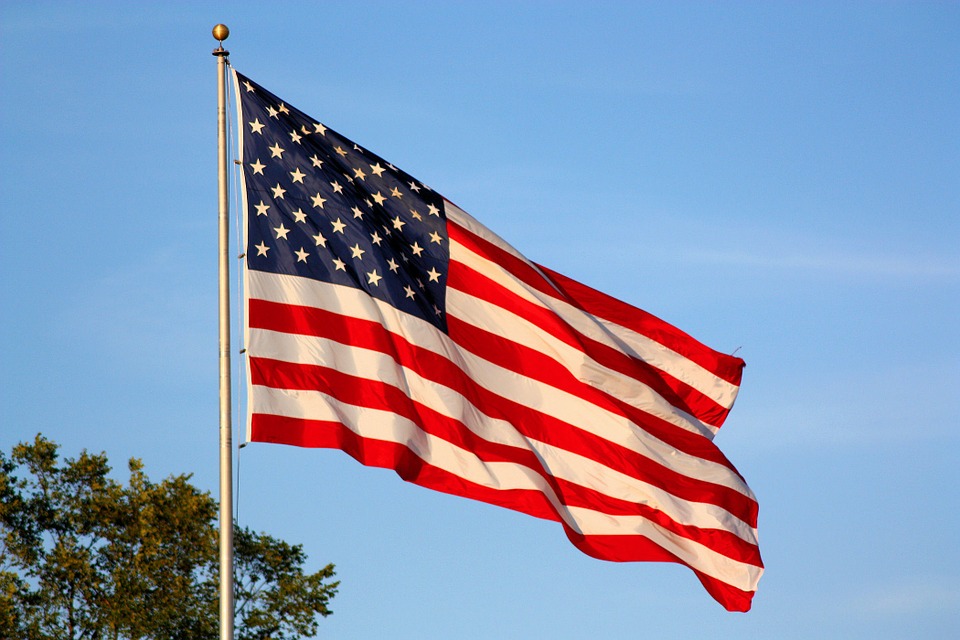
Betsy Ross Flag of 1777

Reference:

Berry,D (2017) American slavery: separating fact from myth. The Conversation. Academic rigor, journalistic flair. retrieved from https://theconversation.com/american-slavery-separating-fact-from-myth-79620

Roberts,S. (2005). More Africans Enter U.S. The in Days of Slavery. The New York Times. retrieved from https://www.nytimes.com/2005/02/21/nyregion/more-africans-enter-us-than-in-days-of-slavery.html

Thiele,R.(2020) How Climate Change Increases Our Rest for Pandemics. NPR. retrieved from https://www.wfyi.org/news/articles/how-climate-change-increases-our-risk-for-pandemics

___________________________________

Art is always For sale. Contact marilynne@ecihingerfineart.com

Family Outing/ acrylic on deep canvas/ 16 “ x 20 “ / $ 399

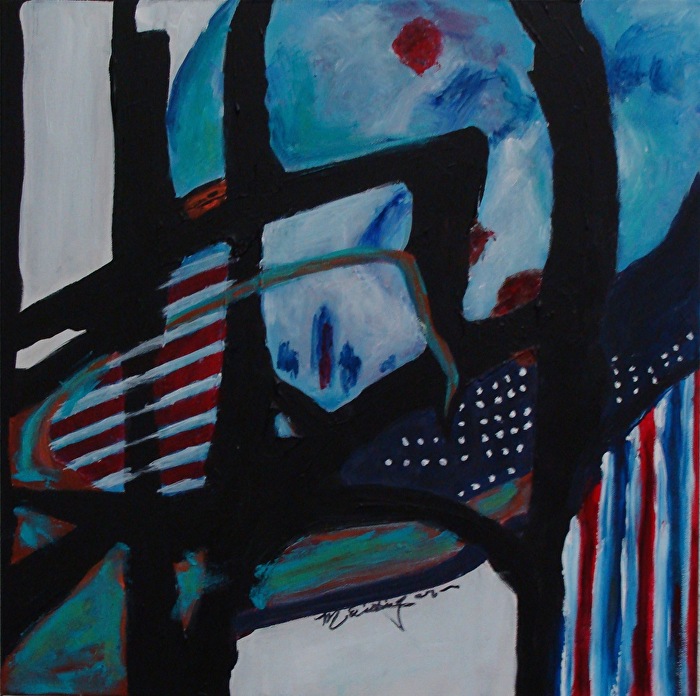
Fractured America / acrylic on deep canvas / 24″ x 24″ $ 425

#Happy in a Time of COVID

Painting of Wild Mustangs

Now that I’m a better writer, I’m reediting my first book “Lives of Museum Junkies.” This week I read the section titled, “The Happiness Business: Playful Learning is Good.” The following two paragraphs are from the chapter.

“What is the secret of life? This question is an easy one for me to answer,  happiness, of course. I am not talking about the giddy-happy feeling you might get by winning the lottery but rather a calm-happy, having a general sense of well-being. The Greeks described happiness as the joy we feel moving towards our potential. They saw it as a process and not an end in itself.

“Museum professionals are in the happiness business, parents are in the happiness business, and managing life puts you in the happiness business. In an article in the Huffington Post, Carolyn Gregoire reported on a seventy-five-year-old Harvard study that looked at the secrets to having a fulfilling life. The characteristic people identified as most important to their well-being was love, with happiness a close second.  From joy we get a sense of satisfaction that comes from connections and challenges. Without supportive, loving relationships people aren’t, happy. And though they may seem important at the moment, acquiring more money and power doesn’t correlate to greater happiness in the long run either. In terms of achievement, the only thing that matters is that you be content at your work. The more ways you can make connections, the better off you will be.  What the study said may seem obvious, but as the article said, ‘It doesn’t make it less true.’ 

After reading what I wrote several years ago, I decided, in was time to practice what I preach and get happy in the time of COVID. I needed to stay connected with nature so out I went and got in my Subaru. Heading west to back country roads I traveled without a destination in mind.It wasn’t long before I passed tilled fields with plants sprouting like soldiers in manicured rows. My spirits rose and I felt my heart quicken.

I came to an abrupt halt before a particularly lush farm planted with nut trees on one side of their driveway and grape vines on the other.  Deciding to turn in, a workman stopped his tractor to tell me to say I was at Scholls Valley Lodge, a pat of the Vail Family Farm that couples book for weddings. Unfortunately, I was told that five June bookings were canceled because of the virus and the reservations remainder of the summer were bleak.  He invited me to tour the grounds that looks out  over rolling green hills. I’ll keep the place in mind for the next celebratory occasion.

Across the way was  an alpaca farm. I pulled into their parking lot and got out to study about fifty animals in a fenced in meadow.  Quite a few were newly born alpacas  feeding alongside their moms. They walked on spindly legs and stared at me curiously with their big dark eyes.

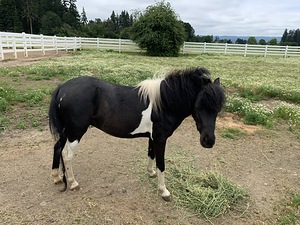
 A mile down road was a horse farm that specialized in breeding mini-horses originally brought to the Americas from England. People purchase these gentle animals for pets and for show. The horses are quite strong for their size and can pull a small cart four times their weight, but as with many miniature species, they have health issues caused by selective breeding.

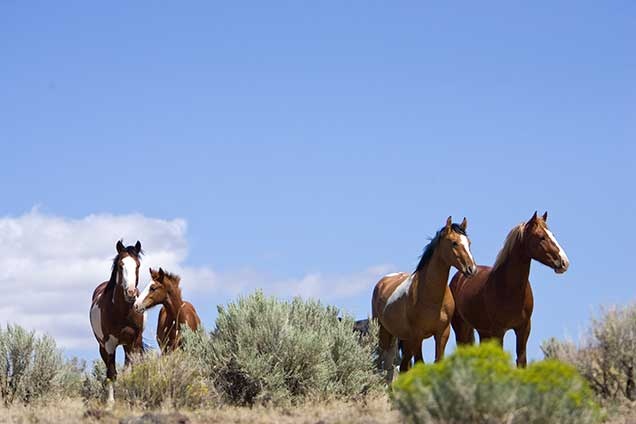
They certainly were different from the wild Mustangs I saw when traveling through the Steen’s Mountain several summers ago. There were no fences to corral the herd as it roamed through vast wilderness tracts set aside for their use. Scientists believe that the ancestors of today’s horses evolved in North America 3.5 million years ago. You can see their skeletal remains in the Thomas Condon Paleontology and Visitor Center in the John Day area in Central Oregon.  They became extinct at least 11,000 years ago, and it wasn’t until the early sixteenth century that Spanish explorers and missionaries reintroduced horses into the American West. Within a hundred years, wild horses again populated the plains. Modern breeds eventually diluted or replaced most of the Spanish strains. Today BLM manages 17 areas with an estimated 4,682 wild horses and 49 wild burrows roaming near the Steens. They are a site to see. 

Oregonians have a beautiful state worthy of exploring. City folk are fortunate to be able to leave their homes and in a half-hour be on open country roads. An afternoon is all that it takes to return home with a light step and  a twinkle in your eyes.

What makes you happy? Do share some of the things you are doing during the age of COVID to keep a smile on your face. Add it to my BLOG SITE below so others can read what you have to say. 

References:

Gregoire,C.(2013) The 75-Year Study that Found the Secrets To a Fulfilling Life. Huffington Post.retrieved from https://www.huffpost.com/entry/how-this-harvard-psycholo_n_3727229

Wild Horses in Oregon. The Oregon Encyclopedia. Project of the Oregon Historical Society. retrieved from  https://oregonencyclopedia.org/articles/wild_horses_in_oregon/

Art is always for sale: contact me at marilynne@eichingerfineart.com to discuss shipping.

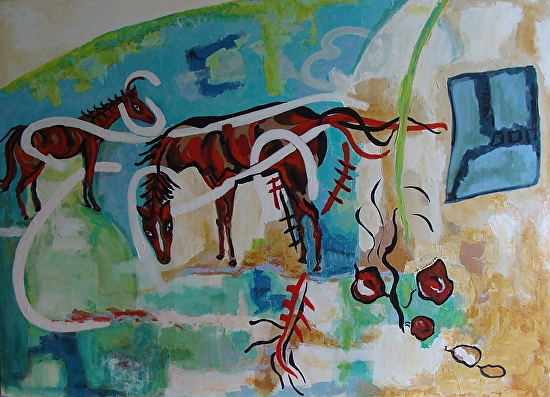
Grazing / acrylic on cavas  / 52” x 60” / $1300 

Behind Closed Doors

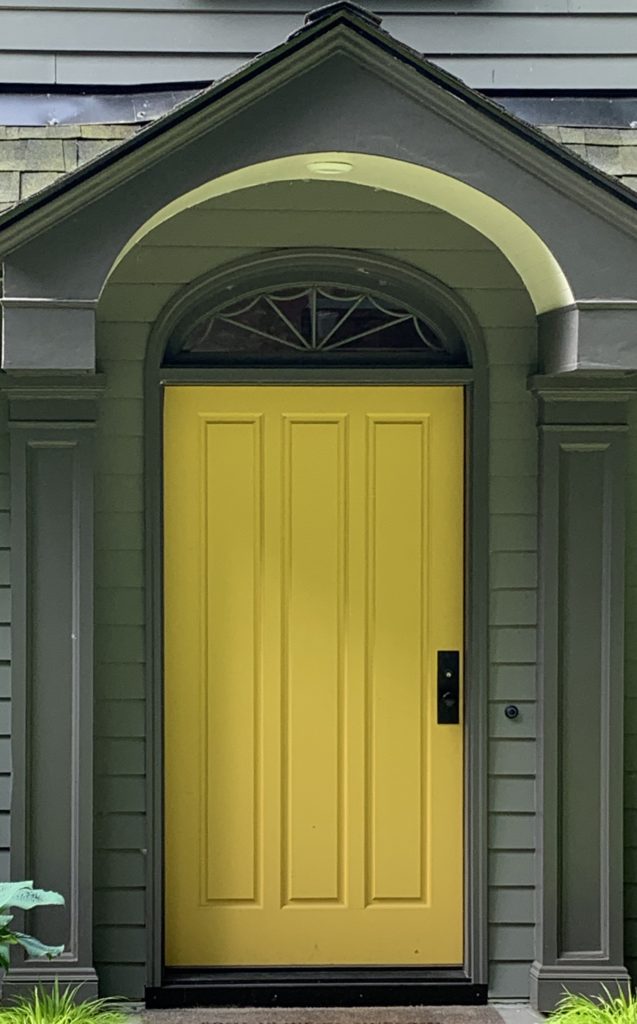
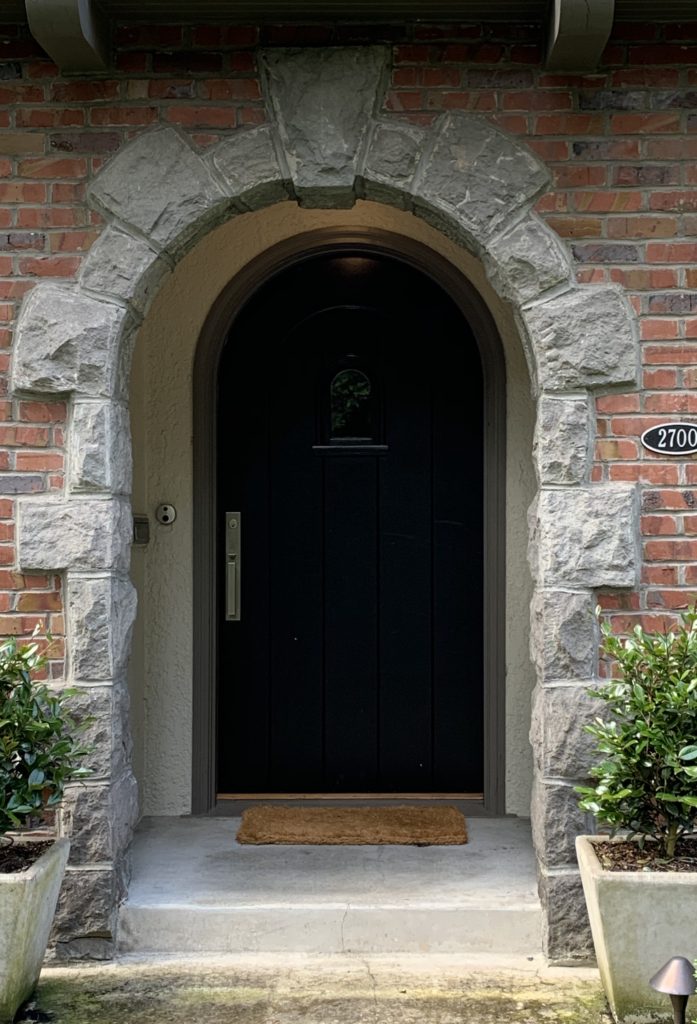
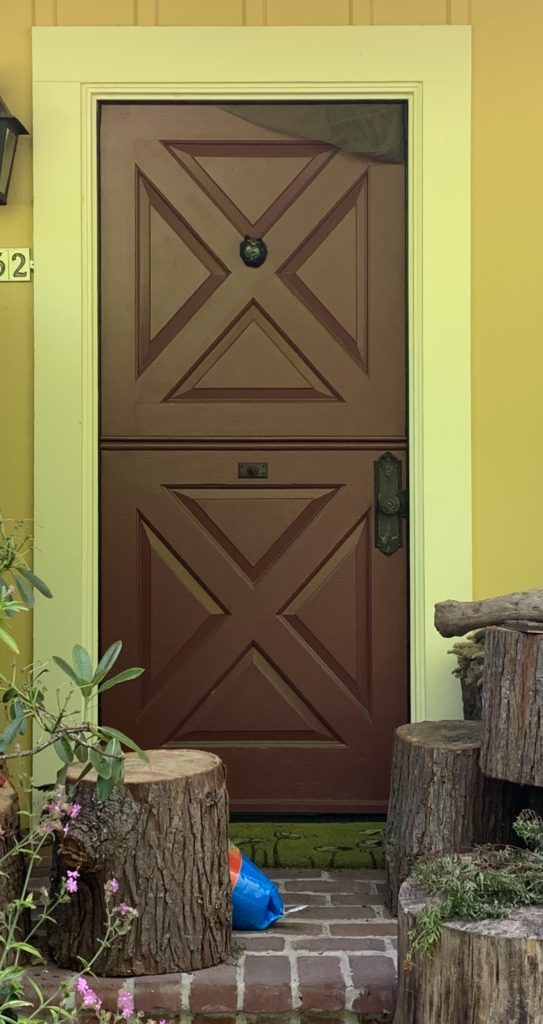
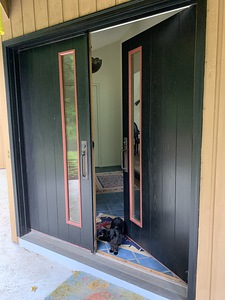
Today’s walk took me past many doors, no two alike.  They made me curious about those inside, what they thought and how were they doing in a pandemic exacerbated by racial discord. My musings reminded me of Anatole France’s saying, “Even a little dog is the center of his own universe.” On the other side of each doorway I imagined a universe of its own.

 I knocked on the door of an elderly neighbor who came out to say she was on an emotional see-saw. She missed seeing her family and berated herself for naively believing that the world was getting better. She thought the United Nations would bring about world peace and that global problems would be solved through dialogue rather than war.  I heard the pain in her voice and listened to her choked cry as I stood behind six feet away behind my mask. 

A parent with young children stood before her door as I walked by. She complained of the difficulty of working from home, juggling childcare while staying sane. She’s challenged by keeping her rowdy kids occupied when on the computer doing research and writing reports? She shouts more often than usual and pushes them away in the middle of calls to important customers? Her five and seven-year-olds don’t understand why she doesn’t want them around when they’re ready to show off a puppet show they put together. 

Behind another door I pass is a furloughed father who worries about not being able to pay for food and the possibility of being being kicked out of his apartment.  Not used to staying home with nothing to do, he watches hours of news and sleeps over twelve hours leach day, leaving his kids to fend for themselves. His depression is severe but he has no one to talk to and would not think of contacting a mental health worker for help.

 I rang the bell on the door of my adopted African-American family for an afternoon of diversion. They have their two children, a five and an eight-year-old. We stayed outside in the sun attempting to maintain social distance while drawing pictures, playing with clay, running around and reading books.  Staying six feet apart is not achieved easily with young ones. They are a loving, immigrant family who came to the United States to escape violence only to find themselves thrust into it again. Their television is tuned to the protests with videos of George Floyd and other racially caused deaths flooding their living space. The eight-year-old is afraid her parents will be killed because of the color of their skin. She does not feel comfortable talk to them about her concerns so she buries her worry inside.

 I walked past the door of a couple who married two weeks before the city was sequestered and wondered what it was like to be newlyweds without being able to take breaks or being able to see old friends. Sex is a great diversion but if you are not on solid footing it can turn sour.  I’ve read that the pandemic is putting a wedge between many people living in close quarters, dissolving relationships before they’ve matured. It takes courage and  fortitude to live with a mate day in and day out.  There has to be open and honest communication along with along with flexibility. Hopefully they will work things out between them.  That neither has taken to excess drink or drugs to solve their problems is a hopeful sign.

Those living alone behind closed doors have their own difficulties. We are social animals who can talk to the walls just so long. Spending hours on Zoom or connecting on Facebook is not the same as being held in someone’s arms or hugging a child. Apartment dwellers find it especially difficult, for though there may be many people in the same building they often don’t know one another. To distance themselves they have to wait a long time for empty elevators. City dwellers out for a walk are less likely to pass someone they know than those who live in neighborhoods where they greet one another while dog walking, weeding the garden or taking early morning hikes.  

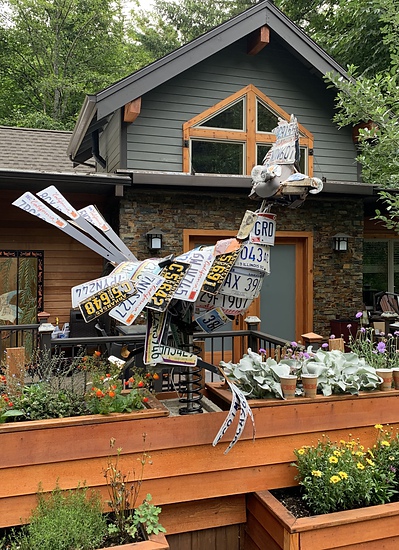
A few houses down from me is a door I pass regularly. It opens to the home of an emergency room doctor whose hours were  reduced because of Covid-19. He wasn’t home long before music and strange sounds started coming from his garage making neighbors curious as to what was going on. Finally a day came the door flew open to astonish those who thought they new him well. Instead of cars, his garage was filled with tools and welding supplies that in his hands produced a wildly inventive sculpture.

Roadrunner now stands in flower boxes guarding his house.

My door opens to the same universe I lived before the pandemic. My cat cries to go out so she can catch a live mouse to bring home as a gift that Ray and I have to chase down.  I exercise daily, write, read, paint and counsel people on the phone and through Zoom. Ray and I still talk, fight, make up and are more grateful than ever that we have each other. I miss going to the gym but will stay away until I feel it is safe, convinced the virus will return with a vengeance,  believing it’s more important to be diligent now than before. I’m delighted at the peaceful protests and knowing young people want to bring about change in a world that dumps misery on the poor. I hope they can make it a gentler, kinder , fairer world. 

In the midst of Covid-19, racial tensions, and demands to demilitarize the police, I hope we don’t forget that global warming remains the major issue of the times. If we don’t do something about it now, what we currently experience will remain a kindergarten lesson. The chaos and hardship that a warming planet will bring will be much worse. 

In this energized climate I feel hope, for our youth see a different universe than the one my contemporaries evolved. Through their eyes and effort I believe that the world can be changed for the better. 

Welcoming