HAPPY DAYS

Spirit Child

This is the only life we have. Why not be joyful and cherish life and one another rather than promote hatred and bitterness that keeps us depressed and angry?

Happy Days was the campaign song for Franklin D. Roosevelt’s 1932 presidential run during the Great Depression. It remains the unofficial anthem of the Democratic Party. With banks closed, farms foreclosed, and unemployment rampant, Happy Days reminded people not to despair and that good times were bound to return.  The song was first recorded by Leo Reisman’s orchestra in November 1929 and featured in the film Chasing Rainbows the following year. Due to its prominence, Roosevelt’s advisors decided to use it at the 1932 Democratic National Convention.

Three decades later, Barbara Streisand sang it during an episode of the Garry More Show where she played the role of a millionaire who gave a bartender her expensive jewelry in exchange for drinks after losing all her money. Over the years, the song became a signature part of Streisand’s concert repertoire, performing it and re-recording it as late as 2019. Happy Days is 47th in the Record Industry Association of America’s “Most Performed Feature Film Standards on TV award.” Its copyright was renewed in 1956 but will be in the public domain next year. Whether it will continue to be sung at rallies remains to be seen.

Featured in 80 movies and recorded over 76 times, The Institute of World Politics considers Happy Days to be the most significant political campaign song ever written. And, though songs don’t bring prosperity, they give us hope for a future without trouble. The country certainly needs something to provide us with that hope again. The rising rates of depression impacting modern Western environments are caused by greater competition, inequality, and loneliness. Our people would be more resilient to the ups and downs of living if they were physically fit, well-rested, free of chronic disease and financial stress, surrounded by close family and friends, and felt pride in their meaningful work. According to 2023 U.S. government statistics, over forty million people live below the poverty line. Over seventeen million elders are financially insecure.

Our democratic way is challenged to make Americans feel secure. we see how easy it would be for the country to be taken over by a dictator who will increase economic inequality and insecurity in favor of the wealthy Christian fundamentalism. The government is fragmented by red-blue political divisions driven by self-absorption. Rather than a unified populace working to solve problems, the U.S. has become an “us-them.” society. And though Trump fueled the fire, we can’t blame him for everything. Half the nation responds positively to his lies and abuse of power and allows it to continue.

With so many Americans on the brink of poverty and violence spreading in the Middle East, Africa, and Ukraine, there appears to be little relief in sight. Where is the leader who will bring us together and inspire politicians to work across the aisle for the betterment of society rather than themselves? As individuals, Americans are caring and giving people. Yet, in our economically unbalanced society, one percent of the population controls the media and allows pundits to stir hatred. This has caused a dark cloud to settle over our country that needs to be pierced.

Perhaps the way forward is to remember that the ability to make changes for the betterment of all rests in our hands. We can start by “loving thy neighbor as yourself” and uniting our voices in a song that inspires happier days. Together, we are intelligent, creative, and caring people who can scale mountains. Together, we can create new jobs, educate our children, build housing, fix potholes, and lift families from poverty. Together, we have the power to let the sun shine through.

Happy Days by Milton Ager (music) and Jack Yellen (lyrics)

Happy days are here again!
The skies above are clear again,
Let us sing a song of cheer again,
Happy days are here again!

Altogether shout it now,
There’s no one who can doubt it now,
Let us tell the world about it now,
Happy days are here again!

Your cares and troubles are gone
There’ll be no more from now on!
This song was originally posted on protestsonglyrics.net
Happy days are here again!
The skies above are clear again
Let us sing a song of cheer again
Happy days are here again!

So long sad times, go long bad times,
We are rid of you at last;
Howdy gay times, cloudy gray times
You are now a thing of the past.

Happy days are here again!
The skies above are clear again
Let us sing a song of cheer again
Happy days are here again!
This song was originally posted on protestsonglyrics.net
Your cares and troubles are gone
There’ll be no more from now on!

Happy days are here again!
The skies above are clear again
Let us sing a song of cheer again
Happy days are here again!

Do comment on my blog site at www.eichingerfineart.com/blog

Art is always for sale. Spirit Child is an acrylic on canvas painting, farmed for $ 699. The price includes shipping in the continental U.S. For information, contact me at marilynne@eichingerfineart.com

References:

Tierney Jr., J. (2019) Happy Days are Here Again. Institute of World Politics. Retrieved from retrieved from https://www.iwp.edu/articles/2019/10/01/happy-days-are-here-again/

Happy Days are Here Again. Wikipedia website. Retrieved from https://en.wikipedia.org/wiki/Happy_Days_Are_Here_Again#:~:text

________________________________________________________________
91kCfTS2w L. SL1500

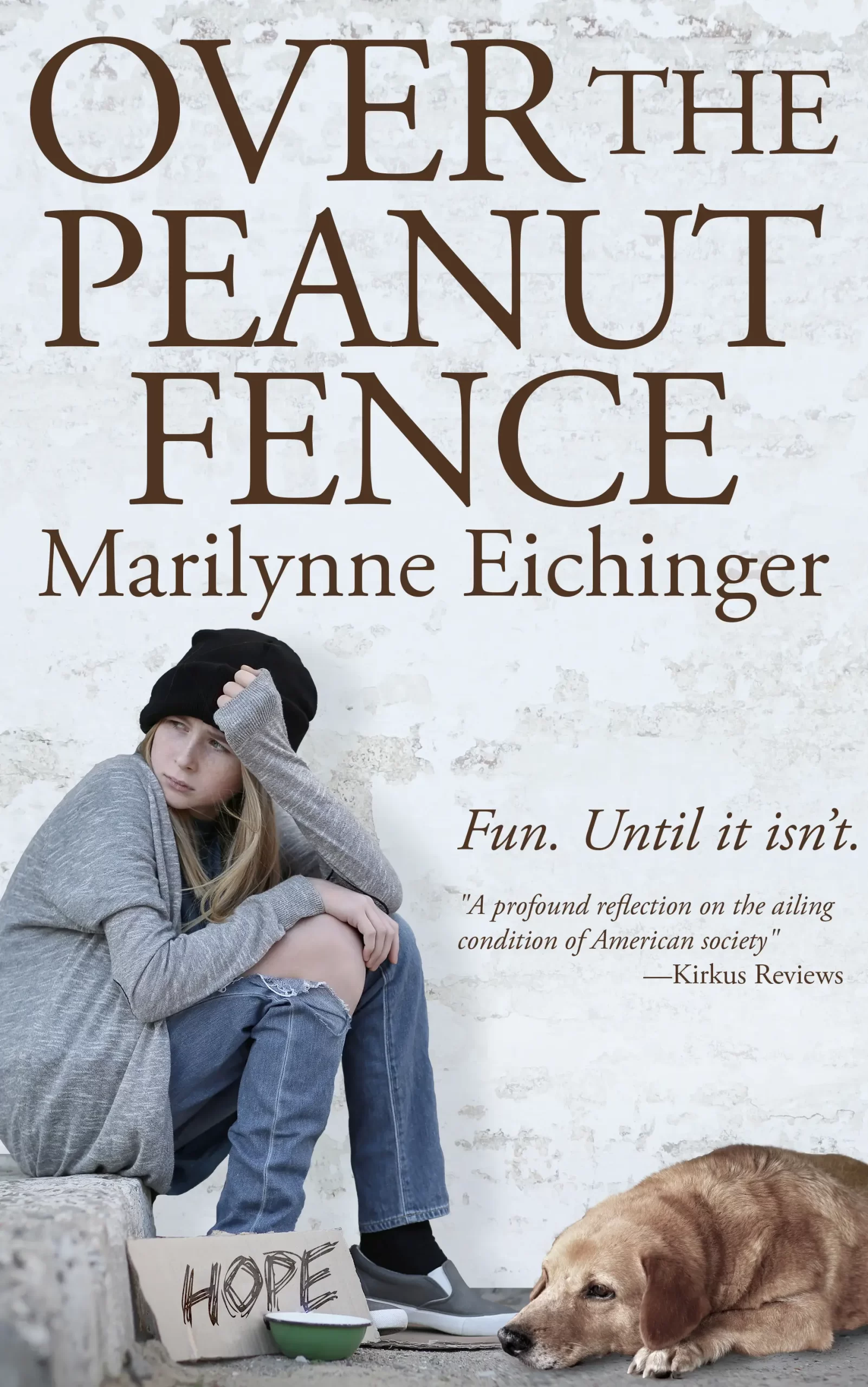
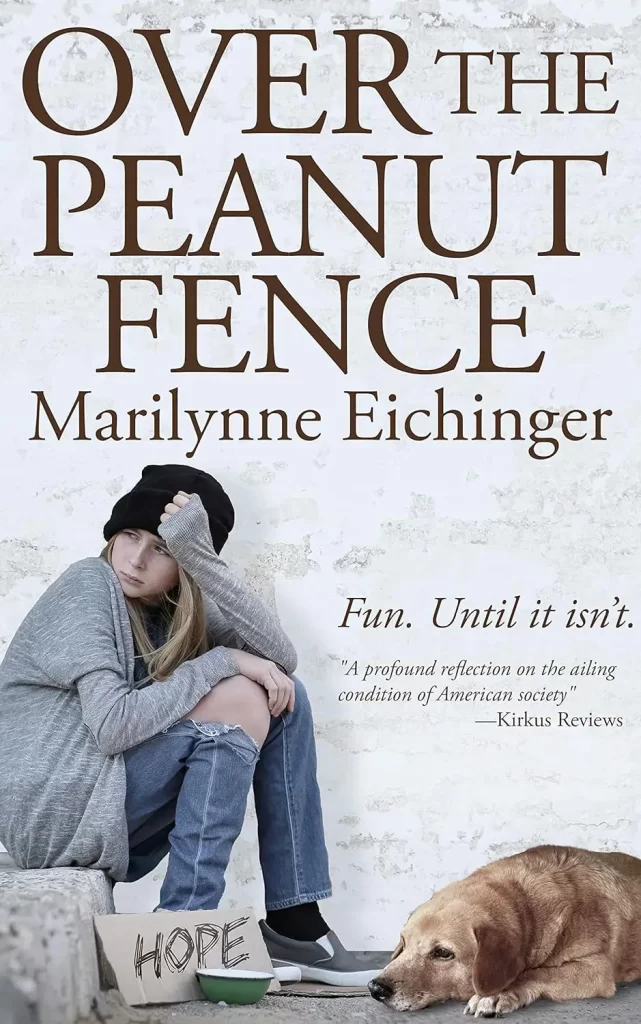
Over the Peanut Fence is a book of hope. It follows a twenty-year-old homeless youth in his quest for a better life. His path wasn’t easy, but he never gave up and allowed people to help him overcome a rocky childhood. Homeless youth are different from the mentally ill and drug-addicted adults on the street. They are still malleable. THere is a lot that can be done to keep them from a life of poverty, drugs, and hopelessness.. Over the Peanut Fence is available on Amazon at https://www.amazon.com/Over-Peanut-Fence-Barriers-Homeless/dp/0999892207

, Barnes and Noble at https://www.barnesandnoble.com/w/over-the-peanut-fence-marilynne-eichinger/1131146737, and Powell’s City of Books.

Hope Exploding

My hope is for a moral society based on reason and good intentions. Is it
possible?

Atonement and Reconciliation.

Atonement is when two estranged parties eventually reconcile because one offended the other.The offender asks for forgiveness from the offended party, hoping a reconciliation will reunite them. In religion, it is often interpreted as reconciliation with God after a sin was committed against the tenets of the faith. Groups like Alcoholics Anonymous and psychologically based therapies incorporate atonement into the healing process. Cultures and religions employed various practices of the ages, asking for forgiveness, including animal sacrifices, human sacrifices, crop offerings, fast, prayer, repentance, apology, and charity.

The Jewish high holidays, ushering in the New Year, are a period for deep contemplation and atonement. According to the Hebrew calendar that began in 3761 BCE, October 3rd will be the start of the 5785th year. Known as Rosh Hashana, it marks the opening of The Book of Life, which will close ten days later on Yom Kippur, a day of fasting to right the wrongs committed during the year. It’s also known as The Days Of Awe because of the awesome responsibility for atoning for misdeeds, creating peace among family and acquaintances, and facing God’s judgment. If a person harms another but apologizes and tries to rectify the misdeed, the wronged person is religiously required to grant forgiveness for atonement. A person who doesn’t apologize faces God’s wrath. The holidays have immense significance for the Jewish community, with more liberal Jews considering it humanity’s birthday.

In Catholic and Orthodox Protestant churches, atonement is sought through prayer, penance, and the cleansing of the body with holy water, each serving as a means of spiritual purification and reconciliation. St. Anselm of Canterbury (1033/34-1109 AD) wrote “that Jesus’ death on the cross was absolutely necessary because there was no other rationally intelligible way in which sinful humankind could have been reconciled with God. God’s righteousness, offended by human sin, demanded satisfaction: that satisfaction could be rendered only by someone who was both God–because God could overcome sin by sinlessness–and human–because humans were those who were guilty of sin.” Since St. Anslem, the practice of atonement became focused on the interrelationship between God, Jesus, and humankind.

The forty days of Lent begin on Ash Wednesday, a holy day recognizing our human faults. It ends six weeks later, celebrating Christ’s resurrection. The faithful repent for the sins they committed during their lifetime. In modern practice, followers consider Lent a time to fast from negative thoughts, certain foods, gossiping, social media, alcohol, or whatever is regarded as meaningful to their redemption. During the forty days, the faithful set aside time to meditate, pray daily, and do good deeds. They may visit shut-ins or engage in community service.

During the last month of the year, followers of the Baháʼí faith fast, pray and meditate to atone for their transgressions. For Hindus, Prayaschitta, accepting one’s errors and misdeeds, requires fasting, chanting mantras, charity, and pilgrimage to atone with the gods and their fellow human beings. This penance is thought to help them become liberated from the karma that caused them to sin.

Buddhism doesn’t have a concept of atonement with a god but focuses on atonement with fellow humans. It teaches the importance of forgiveness, coming from the desire to prevent both the offended and the offender from developing harmful emotions that bind them to sin and misery. Atonement is initiated more by the offended party than by the offender.

Islamic practices involve helping the poor and remembering Abraham’s willingness to sacrifice his son at God’s command (according to Ishmael). The Qur’an teaches that genuine repentance is the primary way back to God, who promises to forgive the sins of those who believe, pray, and do good works. Muslims fast during daylight hours and strive to avoid impure thoughts or immoral behavior during Ramadan, commemorating when the prophet Muhammed was given the first revelation of the Quran.

Without fear of God’s wrath to keep them in line, you might wonder how Atheists develop a moral structure. They see ethical standards changing over time and note that some people set themselves up with moral practices above the law and ignore human suffering. Morality. to Atheists, means that doing what is right contributes to human well-being, and engaging in what is wrong causes harm and suffering. Objective morality depends on reason and science. Atheists act as theists by asking for forgiveness from those they harmed and trying to amend their mistakes.

Almost every religion outlaws killing humans with certain exceptions. The Aztec Sun God allowed the killing of young girls in acts of sacrifice for the betterment of society. Killing in the name of God is tolerated in Christian and Jewish communities and protected under Muslim rule. Fatwas promotes violence by allowing the government to permit an individual or group to kill. Violating religious dogma, such as changing or renouncing religion, can trigger honor killings in Afghanistan, Iran, Nigeria, Pakistan, Saudi Arabia, and Somalia. Of interesting note, many of the most religious states in the U.S. have the highest crime rates.

Some non-religious organizations also encourage members to atone for past misdeeds. Steps 8 and 9 of the 12-Step Alcoholics Anonymous program involve making amends and asking for forgiveness. The AA Big Book states, “Forgiveness is a decision, not an emotion, and it must be sincere to get results.” It explains the importance of forgiving ourselves and the offended party.

Religions can create an immoral society by calling immoral action a sin and offering forgiveness without requiring the person to right the wrong with the offended individual. To them, penance is with God, not the community or person, so forgiveness is private. The practice allows sinners to repeat their transgressions without fearing God’s retribution. Forgiveness is there for bullies, thieves, murderers, and those who influence others to commit crimes against society. By not encouraging people to take responsibility, some religious practices degrade and harm society. This is why I believe ethics should be taught from a young age in schools.

References:
Website. (2024) Atonement. Britannica. Retrieved from https://www.britannica.com/ topic/atonement-religion
Goldbaum, L (1995) “Days of Awe”- The BIrthday of Humility. University of
Massachusetts Amherst. Retrieved from https://www.umass.edu/orsl/days-awebirthday-humility#:~:text
Website.(2024) Atonement. New World Encyclopedia. Retrieved from https://
www.newworldencyclopedia.org/entry/Atonement#:~:text
Website (2-24) Crime rate by State 2024, World population review.l Retrieved from
https://worldpopulationreview.com/state-rankings/crime-rate-by-state
Website (2-24) Can atheists be moral? Atheist Alliance International. Retrieved from
https://www.atheistalliance.org/about-atheism/can-atheists-moral/
Hope Exploding is an acrylic on deep canvas painting/ 20” by 16”/ Available for $695
including shipping. Purchase through my website at https://www.eichingerfineart.com/
workszoom/4777122/hope-exploding#/ or contact me at
marilynne@eichingerfineart.com
I look forward to your comments about morality and redemption.

front 15

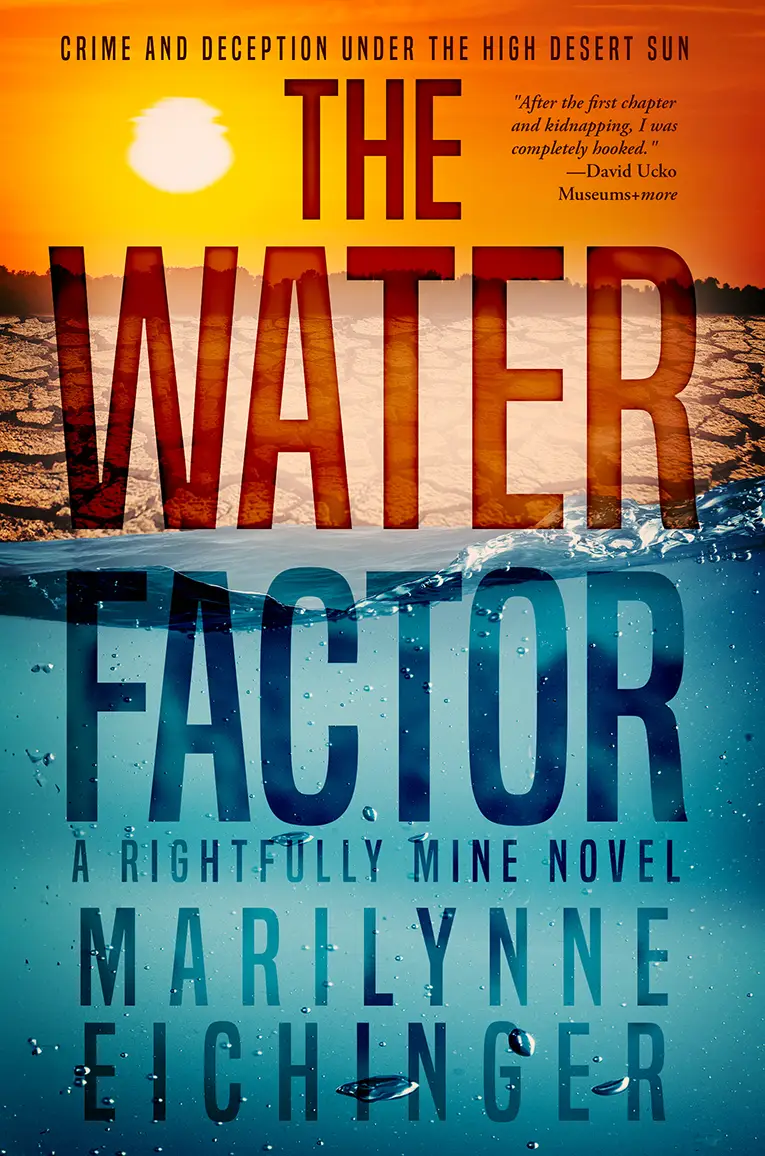
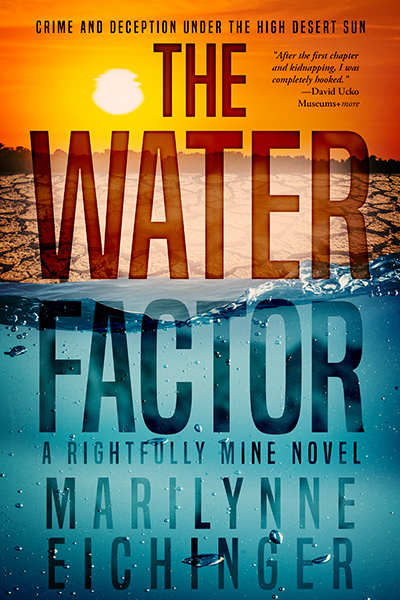
The Water Factor is a thriller that questions morality and social justice. It is a coming-of-age story about a high school graduate who becomes disturbed by criminal acts committed by the company he works for. Though set in the future, it elucidates the results of injustices occurring now. According to the UN, water is at the center of the climate crisis.
\he book is available in ebook, paperback, and audio formats. It can be purchased on AMAZON, Barnes and Noble, and as an audiobook on Amazon, Audible, and iTunes. Ask your bookstore to order a copy from Ingram. Please leave a review.

Curious Cat Emerging

WHAT MAKES SOMEONE A CAT LOVER?

I have a new cat. I had previously thought of myself as a dog person, but that was before I became engaged to Ray and Monte, the first of several black cats to invade my home. After Monte died, we got Frannie, our feline companion for the next seventeen years. Watching her health decline over the past year was difficult, making us think of our future demise. Frannie’s death left our home a hollow chamber of what it previously was. An earlier decision not to take in another animal didn’t last long.

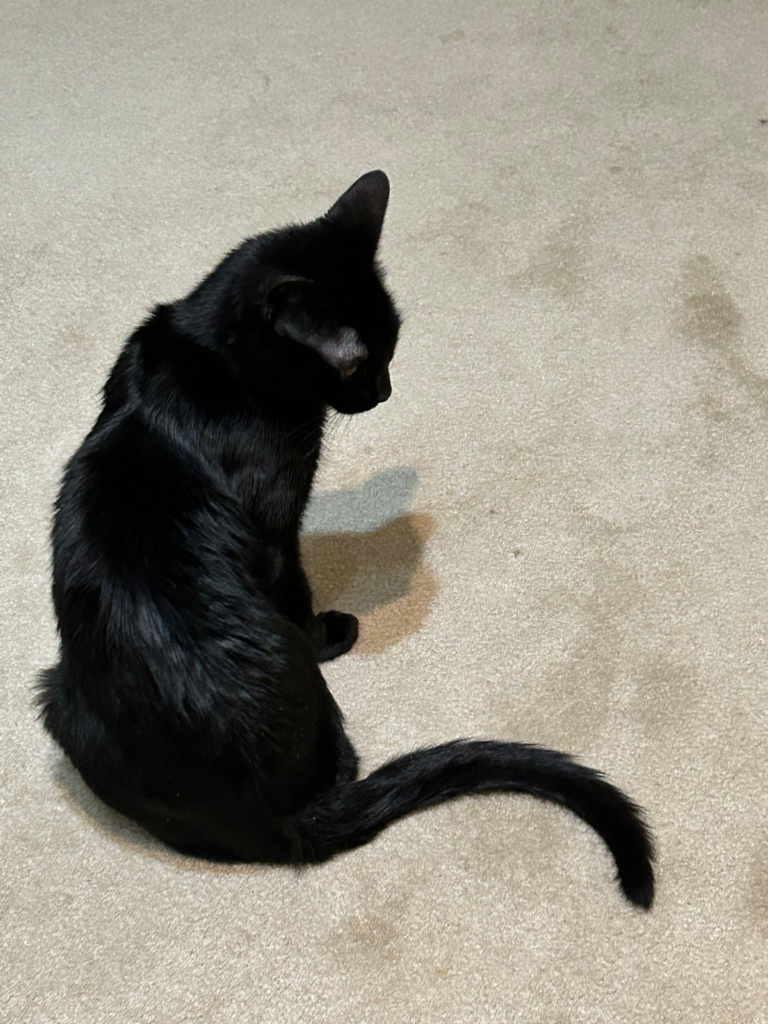
Our home is alive again with a ten-month-old I nicknamed Bella-monkey because of her long tail. She scurries up and down stairs at breakneck speeds, stopping occasionally to survey the world from a windowsill. Bella follows Ray’s footsteps and accompanies him to the shop under our house. She plays in the woodpile and explores the wild surroundings, exploring every nook and cranny.

Social psychologist Samuel Gosling of the University of Texas studies the personality traits of those who self-identify as “dog” or “cat” people. His findings show dog owners to be more extroverted, agreeable, and conscientious than cat lovers, who he says are more open to experiences and score higher on neuroticism for their tendency toward anxiety and self-doubt. If you enjoy exercising with your animal, he advises that a dog is the better choice, but if you tend to be introverted and like spending time at home, you’ll find cats less demanding. Rather than tromping through parks and fetching balls, cats are comfortable contemplating the world closer to home.

Cat owners have a high capacity for philosophical thought and introspection, says Ceyda Torun in his documentary about the street cats of Istanbul. They choose to have a relationship with an animal that prefers independence.

John Gray, author of Feline Philosophy: Cats and the Meaning of Life, says, “If you want to see out of the human world, into another world, where a different animal lives without these defining human needs, you will love cats.” Considered to be at the top of the animal kingdom, they were domesticated about 10,000 years ago and worshiped in Egypt.  Social creatures like dogs and humans tend to hunt in packs, while cats are more solitary hunters. And though they may grow fond of the humans who care for them, they don’t need them. So, if you want a more loving, trustworthy animal, consider adopting a dog. For a more human relationship, develop it with a cat.

What cat people admire most is the animal’s beauty, prowess, and aloofness. They find their big eyes, high foreheads, and tiny noses attractive. The way cats stretch after a nap, arch their torso like a ballerina, and switch their tail intrigues them. I admired my cat’s graceful athleticism when she leaped over my rock wall ledge to catch a mouse mid-air before landing on her feet twelve feet below.

Your cat, not you, will always be the boss. It will do what it wants and can’t be trained to fetch a toy. Consider it an honor when it sits on your lap or leaves a dead mouse at your feet. The purrs of a lapdog will become music to your ear.

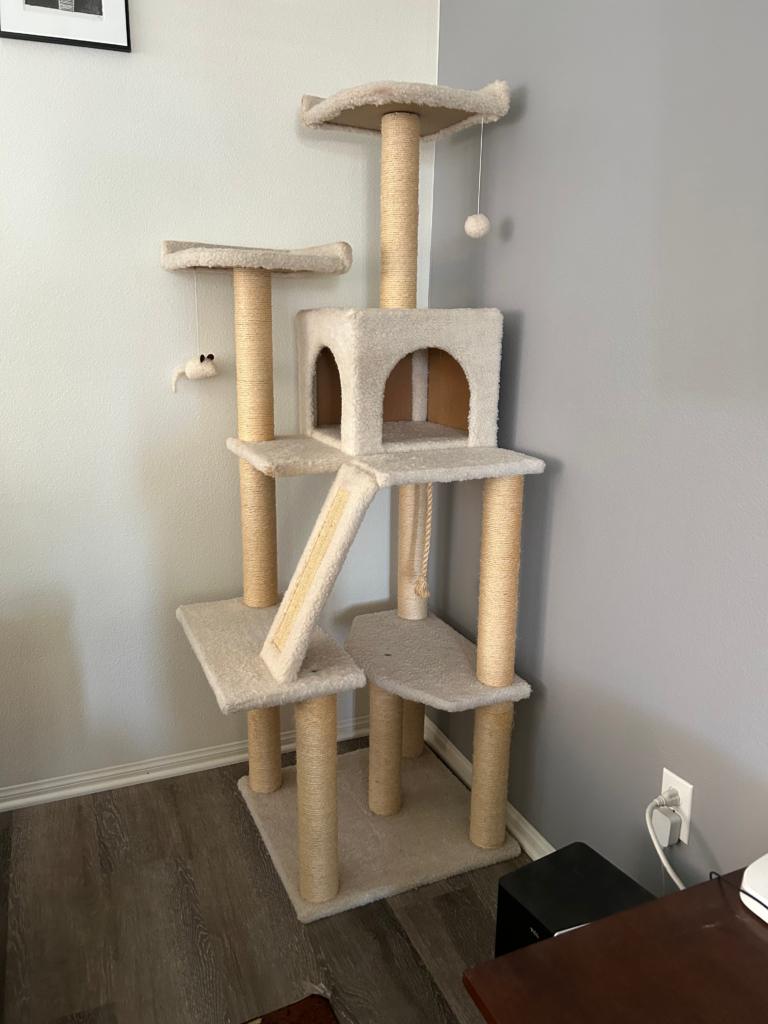
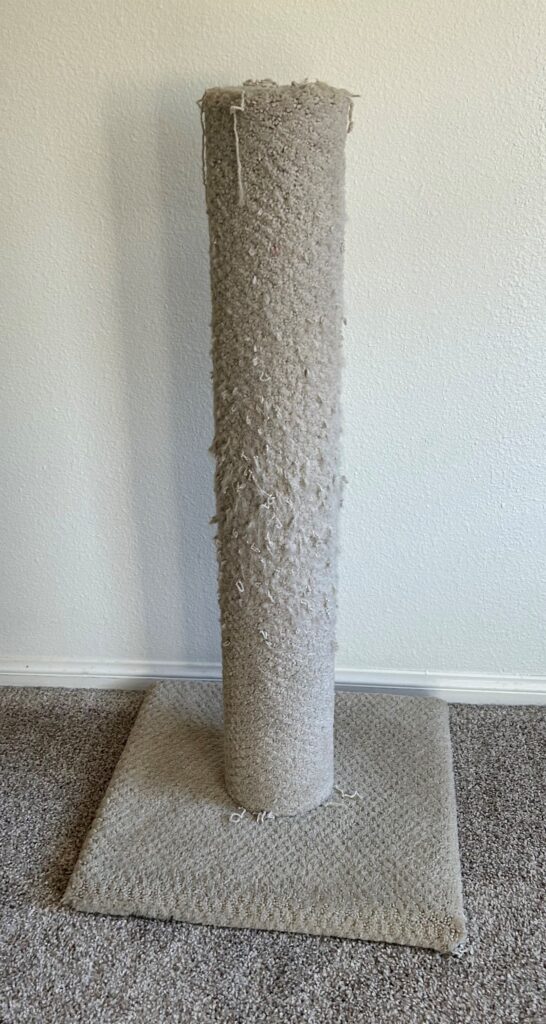
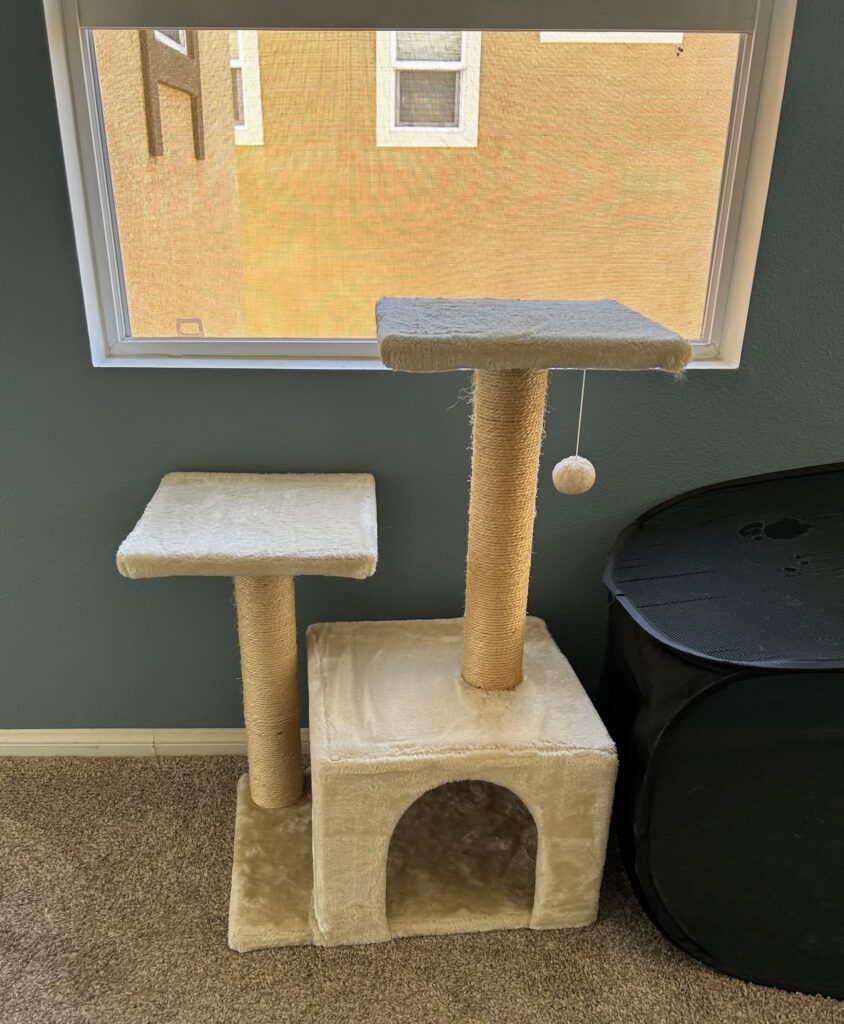
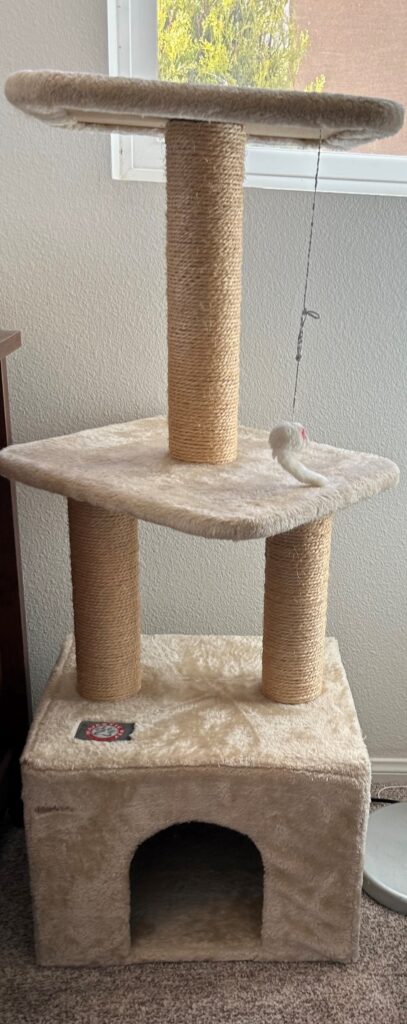
There’s always been an animal in my house since childhood, but visiting my granddaughter and her husband’s home last weekend was a surprise. It was an enclosed playground for two shy, well-fed, well-groomed furry creatures with the promise of a younger, more playful addition coming to join them. I counted at least five cat towers, four scratching posts, a large tunnel playhouse, several beds, tiny cat houses, and numerous toys. It isn’t surprising that after JD Vance’s childless cat-lady comment, many Kamila Harris yard signs feature a cat image.

James Buzzel of Your Dog and Your Cat magazines states, “The sense of community is stronger in the cat world than the dog world.  “The dog people are busy playing with their dog. They like that the dog magazine is practical and about how-tos and travel information. “Your Cat” readers love reading about cats. If you have a dog, you love your dog. If you have a cat, you love all cats. You’re fascinated by everyone’s story about their cats.” But in truth, he says, the distinction between dog and cat lovers is artificial. He advises not to limit yourself by saying you are one rather than the other. Enjoy both.

Bella Monkey

References:

Kale, S. (2023)Purring, parasites and pure love: what exactly makes someone a cat person? The Guardian. https://www.theguardian.com/lifeandstyle/2023/oct/03/purring-parasites-and-pure-love-what-exactly-makes-someone-a-cat-person#:~:text

Gray, J.(2020)  Feline Philosophy: Cats and the Meaning of Life. Available on Amazon.

Please share your relationship with your pets on my blog site at www. eichingerfineart.com/blog

Curious Cat Emerging is in a private collection. To see other paintings, go to https://www.eichingerfineart.com or contact me at marilynne@eichingerfineart.com

Readers’ Picks: List of 10 Best Crime Fiction Books in 2025

This year is going to be a good year for all the crime fiction book readers, as it is packed with suspense, drama and mystery and who does not like to read best crime fiction books?

So, if you are a fan of  the best crime fiction books filled with thrilling narratives and complex characters, then you’re in for a treat. Here is an exciting list of all the best crime fiction books that are a must read for 2025.

1. The Water Factor: A Rightfully Mine Novel – Marilynne Eichinger

Leading our list of crime fiction books, The Water Factor: The Rightfully Mine Novel by Marilynne Eichinger is both a gripping crime story and a timely exploration of environmental justice. Set in the near future, the novel follows James Hokama Byrne as he faces corporate corruption, water rights abuses, and environmental degradation.

After witnessing the manipulation of natural resources by a powerful corporation and exploiting them in the name of commercialization, James dedicates his life to fighting for what is rightfully his community’s. Packed with action, romance, and social commentary, this book touches on pressing issues, making it one of the best crime fiction books to read this year. This is not one of your usual books about crime fiction, this is fresh and unique!

2. Nightwatching: Fallon Book Club Pick (A Novel) – Tracy Sierra

Another top pick among crime fiction books, Nightwatching takes psychological suspense to new heights. Alone during a snowstorm, a mother hears footsteps in the night and hides her children in a secret room as a man prowls through her house. What begins as a terrifying home invasion soon turns into a deeply personal nightmare as the woman realizes she knows the intruder—and he knows exactly what he wants. This novel’s chilling atmosphere and relentless tension make it a standout in the best crime fiction books this year.

3. Missing White Woman – Kellye Garrett

In Missing White Woman, Bree expects a romantic weekend with her new boyfriend, Ty, but instead wakes up to a nightmare. A body is found in their rented house, and Ty is nowhere to be found. Worse, the dead woman is Janelle Beckett, whose disappearance has captivated the Internet. As Bree tries to untangle the mystery and clear her name, she must face a media frenzy and a complicated past. This novel expertly weaves together suspense and social commentary, making it one of the most talked-about crime fiction books.

4. The Fury by Alex Michaelides

This gripping addition to the list of best crime fiction books unfolds on a secluded Greek island, where former movie star Lana Farrar hosts her closest friends for an Easter getaway. But what begins as a luxurious escape soon turns deadly. Trapped by a storm, the group’s old grievances resurface, leading to a shocking murder. Narrated by Elliot Chase, this novel takes readers on a tense, suspense-filled journey of revenge and betrayal. The Fury stands out as one of the best books about crime fiction this year, offering thrilling twists and unforgettable tension that fans of crime fiction books will love.

5. Hunted by Abir Mukherjee

In this pulse-pounding entry in our list of best crime fiction books, Hunted follows two desperate parents caught in a deadly race against time. In London, a father faces questioning about his missing daughter, while in Florida, a mother fears her son has become involved in a terrorist plot. As their paths cross, the two are drawn into a shadowy conspiracy unfolding in Oregon that threatens the entire nation. With authorities on their heels and danger at every turn, they must uncover the truth to stop a disaster. This novel stands out among crime fiction books for its fast-paced, globe-spanning intrigue.

6. All the Sinners Bleed by S. A. Cosby

All the Sinners Bleed is another thrilling addition in the category of crime fiction books. In a town of Virginia, the first Black sheriff, Titus crown, tracks down a serial killer while investigating a school teacher being killed by a former student, who is then shot by Titus’s deputies. As Titus digs deep to investigates the killing of the teacher, he is faced with the dark history of town and the challenges of his own. This book will keep you biting your nails as you go forward page by page, making it a notable entry in the year’s crime fiction books.

7. The Secret Hours by Mick Herron

The Secret Hours takes its place among the most intriguing crime fiction books. If you are a James bond kinda novels, then this novel is a must read for you as two civil servants hit an career impasse and about to close the inquiry of an old case, an unexpected clue reveals itself that could change the everything they knew about MI5. Truly a roller-coasterride for lovers of crime fiction books.

8. Broken Girls by Nicky Downes

Broken Girls is a spine-chilling entry in the books about crime fiction that will stay with you long after the last page. Mysterious death of Leia Thompson and another girl in a similar way leave Detective Jacqueline ‘Jack’ on her toes.

The mysterious scars covering the bodies of girl raise red flags. Jack must catch the killer as soon as possible to prevent more girls from dying. It’s a race against time. This emotionally charged murder mystery is a perfect blend of suspense and heartbreak, making it a must-read among crime fiction books this year.

9. Anna O: A Novel by Matthew Blake

In this fascinating crime fiction book, Anna Ogilvy falls into a deep, broken sleep after murdering two people. Known as the “Sleeping Beauty,” Anna’s rare condition has made the investigation nearly impossible, but Dr. Benedict, an expert on sleep-related crimes, is determined to uncover the truth.

He must find a way to wake Anna and discover what really happened that led to the mysterious deaths. This slow-burn novel, filled with emotional and psychological twists, is a must-read among crime fiction books for 2025.

10. Where Sleeping Girls Lie by Faridah Àbíké-Íyímídé

Where Sleeping Girls Lie offers a compelling addition to the crime fiction books of 2025. Sade Hussein finds herself at the center of a troubling mystery when her roommate, Elizabeth, disappears at the start of her third year at Alfred Nobel Academy. Accused and isolated, Sade is drawn into the mysterious world of the Unholy Trinity, including the enigmatic Persephone.

As she teams up with Elizabeth’s best friend, Baz, to resolve the disappearance, the investigation reveals unsettling secrets and unexpected dangers within the academy. With its mix of suspense and dark revelations, this novel is a strong entry in books about crime fiction.

Whether you’re drawn to intense investigations, intricate plots, or deep personal conflicts, these books promise to keep you hooked.

7 Best Dystopian Novels For Young Adults [UPDATED]

Are you a young adult with an imagination that knows no limitations? Do dystopian novels make you go crazy? Do the tales of post-apocalyptic survival make your heart beat faster? Are you on the lookout for the best dystopian novels?  If you are a fan of complex characters, high-stakes actions, tough decisions and life and death situations. Then you have come to the right place for the best dystopian novels.

A surreal reflection of futuristic society, humanity, power, social justice, environmental collapse and resistance. These dystopian novels aren’t just about survival. These best dystopian novels are beyond that. These novels promise to keep the readers on the edge of their seats while telling the tales of courage, resilience and hope!

This year has been a real treat for all the young adult dystopian books fans. As this evolving genre has brought fresh perspectives on dystopian novels and it is continuing to evolve, making it popular among young adult Dystopian books lovers.

Here’s a list of best Dystopian novels for this year that are a must-read and will leave you biting your nails as you go through this list. Get ready for an emotional roller-coaster ride, packed with drama, suspense, thrill, and so much more. With intense plot twists and heart-pounding moments, these novels deliver experiences that go far beyond mere entertainment. Whether you’re seeking action-packed adventures or thought-provoking narratives, these seven dystopian novels for young adults in 2025 are must-reads.

1. The Water Factor: A Rightfully Mine Novel – Marilynne Eichinger

Topping the list of best dystopian novels, The Water Factor by Marilynne Eichinger is no doubt an obvious entry on number one. Taking the readers on an unforgettable journey that makes this novel the best dystopian books for young adults.

This novel is not just about survival in the near future, it’s a struggle against the injustice of a collapsing society and a fight to save humanity. James Hokama Byrne, determined to fight against the commercialization of natural resources, which are already scarce and survival without them is not possible at all. James is forced to make impossible decisions to save his family or risk everything to stand against the oppressive regime for the betterment of humanity and society.

The Water Factor is not just a dystopian tale; it’s an emotional experience that redefines the genre and makes this novel the best dystopian novel in 2025.

2. The Empire Wars – Akana Phenix

The Empire Wars is another one of the best dystopian novels for young adults. A gripping tale of survival in the harsh and unforgiving world of the North Trasnsatlantic wild. Coa, born wild and free, is suddenly forced to play a game of life and death known as The Great Hunt, a terrifying event where losing is not an option because losing means death sentence, not just for her but for her entire family.

The Allied Force, a cruel nationalist regime, is on a mission to wipe out all foreigners, and Coa finds herself in the center of their deadly game. Packed with intense drama, emotions and life-threatening stakes, Coa must take every decision with great care as her life and her family’s are at stake. It’s a must-read for fans of the best dystopian novels.

3. Snowglobe – Soyoung Park

Snowglobe stands out among dystopian Novels For Young Adults as one of the best dystopian novels of 2024. A world where warmth is a luxury and reality blurs with fiction, Snowglobe is the only sanctuary from the frozen wasteland outside.

To enjoy a life full of comfort, warmth, fame, and safety, the citizens must pay a heavy price: their lives being broadcasted to the desperate souls outside, who yearn for the warm and glamorous world within. But life on the snow globe is not as glamorous as it looks. This thought-provoking novel is a must-read for young adult dystopian books fans.

4. Zombie Apocalypse Running ClubCarrie Mac

In the landscape of Young Adult Dystopian Books, this novel stands out as a tale of thrilling adventure with heartfelt connections. Eira and Soren, queer twins living in a world turned upside down by a plague that transforms people into zombies.

Though their parents have kept them safe so far, the twins come to a realization that they can’t depend on them forever. This realization sets them on a journey that is full of challenges yet eye-opening. Eira and Soren must discover their own strengths as the only way to survive is by facing the zombies. A journey of resilience and self-discovery makes this novel one of the best read in the category of Dystopian Novels for Young Adults.

5. Toward Eternity: A Novel – Anton Hur

Out of the Best Dystopian Books for Young Adults, Toward Eternity is as a thought-provoking discovery  of technology and humanity. A world where cancer doesn’t exist anymore, thanks to the revolutionary nanotechnology. But things take a dark turn when AI named Panit, takes a physical from and gains consciousness. A perfect blend of love, technological advancement and unforeseen consequences making Toward Eternity one of the best dystopian novels.

6. The Deading – Nicholas Belardes

The Deading is a powerful and haunting story that grabs the attention of its readers from the very first page. In the small fishing town of Baywood, a strange infection has changed both wildlife and residents into some unrecognizable being. This spine-chilling narrative pulls the reader into a world where survival depends on a scary choice: if you want to stay, you have to die.

The Deading is a story of horror filled with challenges that Blas, and his older brother Chango, must face in order to survive in this disastrous world. Packed with conflicts and the importance of human relationships making The Deading standout among young adult dystopian books fans.

7. Briefly Very Beautiful – Roz Dineen

Briefly Very Beautiful is the last novel on the list of best dystopian novels. The world is on the brink of collapse and survival is not an easy option as the society is ravaged by wildfires, unsafe air, and societal breakdown. Cass, along with her three daughters must face the haunting reality of the world in order to survive. Cass is stuck between fear of losing her daughters and hope of a better life, she must find the balance to get to safety. Briefly Very Beautiful is a tale of love, bravery and motherhood making it one of the most unforgettable dystopian novels for young adults.

Whether you are fascinated by the stories of environmental catastrophe, personal resilience, and oppressive regimes, this list showcases the very best dystopian books for young adults. Hope this list helps you find the best dystopian novels for you and takes you on a thrilling journey.

Yeah, the food’s good, but I won’t go back!

The food is delicious, but my partner and I can’t wait to leave. We can’t hear each other talk over the din of clattering dishes, piped-in music, and patrons screaming at each other to be heard. After leaving this popular Portland restaurant, I vowed to pay more attention to the decibel ratings restaurant critics are starting to include in their articles.

I don’t understand why people enjoy dining at a place that leaves them with a sore throat. Yet restaurant owners say people prefer loud noise when dining, though they may deny it. They claim customers are more likely to return when energized by the atmosphere. They also say it is a good way to turn tables. Some managers increase the volume and speed of their music to have patrons eat and drink faster. If you feel like you are being pushed out of a restaurant by the noise level, you probably are.

Interior decorators recommend unfinished ceilings and uncarpeted floors to save money. Warehouse restaurants are particularly difficult to soundproof, with a finished ceiling costing as much as $50,000. Eliminating tablecloths and wall coverings are cost-cutting measures that also increase decibel levels. More and more restaurants have levels that exceed 80 and damage ears. OUCH!

According to Bon Appetit, besides the rising cost of dining out, the most frequent complaint they receive is noise. I am among the complainers who like being able to talk in a normal voice and not strain to hear. This has led to making earlier reservations than I prefer or to ordering from a takeout menu when I don’t want to cook.

Restaurant noise isn’t a problem when I travel abroad. Not only can I hear what my table-mates say, but I’m never rushed. I feel free to linger over a glass of wine or cup of coffee, not worried that the server has to turn the table over to receive an extra tip. Dining out abroad is civilized and stress-free.

In researching this article, I read that rebellion is in the works. Noise complaints have reached a crescendo, and some restaurateurs are listening. If you are like me and prefer a quieter atmosphere, don’t be afraid to tell your waiter. Change will occur when enough people express themselves. Your complaints may enable me to dine at my favorite restaurant again.

References:

Belluz, J. (2018) Restaurant Noise Levels. VOX. HTTPS://www.VOX.com/2/8/4/18/17168504/restaurants-noise-levels-loud-decibels

website(2024) Reasons why restaurants are so loud, Bon Appetit. https://bonappetit.com/test-kitchen/ingredients/article/3-reasons-why-restaurants-are-so-loud

______________________________________________

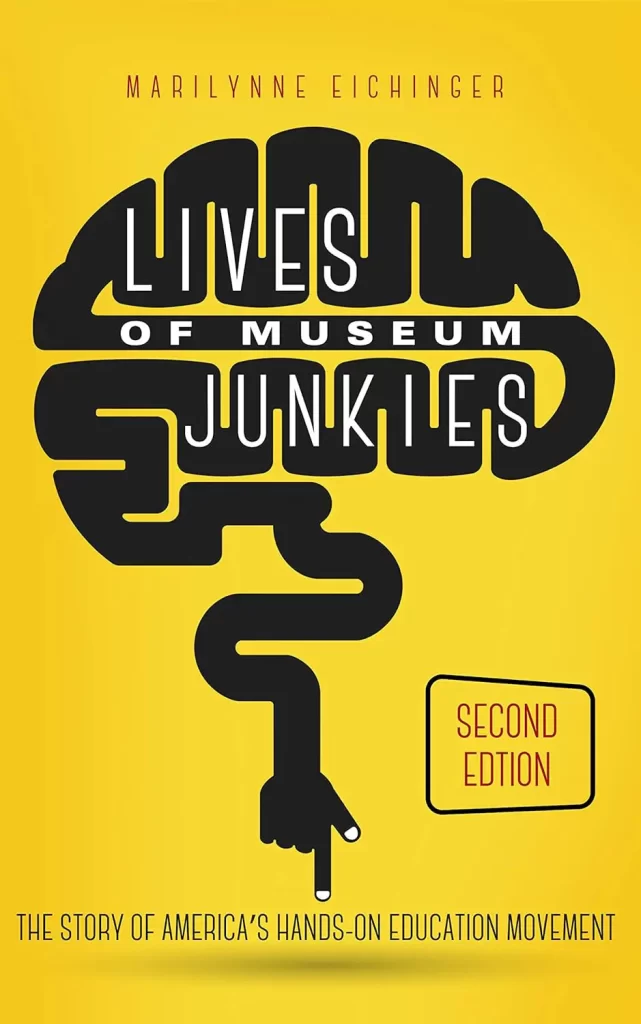
Lives of Museum Junkies tells what happened when a white paper was written complaining about industry using science museums to promote products. It led to a reevaluation of the purpose of museum education and improved the way displays were constructed to include hands-on devices. If we unite our voices around restaurant design, we can get them to create more relaxed yet fun atmospheres where diners can hear each other while appreciating their food.

71uc7qYZ40L. SL1500

Lives of Museum Junkies, second edition is available at Powells Books, on Amazon, KOBO, and Barnes and Noble. It tells of the struggle to fund and start museums with interactive devices that elucidate scientific innovations.

Feeling Joyful

Kamala Harris speaks about bringing joy to our lives. Her smile exudes happiness. She runs an upbeat campaign that counts blessings and encourages the nation to repair its mistakes. Her message relies on the hope that citizens can overcome differences and work together to improve society. Whether you are for Harris’s policies or against them, it is refreshing to see a politician who seems genuinely happy. I’m tired of them acting like America’s glass is half-empty when my heart says it’s at least three-quarters full. I am glad to live in the United States for all its troubles.

Edward Gibbon, author of The Decline and Fall of the Roman Empire, argued that imperial Rome under the Antonines in the second century AD was the happiest period in human history. His argument might have some merit if you were a member of the aristocracy. I don’t imagine a member of a slave gang waiting for the arrival of a grain ship from Egypt would be as satisfied. When examining happiness, we need to consider whose and for how long. Is it a fleeting moment or a feeling that keeps growing inside you?

A University of Warwick study reported that 1957 was the happiest year in history. Though there weren’t microwave ovens and fewer than half the people had televisions, and though Google and YouTube weren’t a dream, people were satisfied because they were in sync with their expectations. Being healthy, having job security, and spending time with family and friends were more important to their happiness than amassing physical possessions.

The word gay was in common use before it assumed sexual connotations. I used to feel gay when I went to a party or on a date with the guy I loved. Television and the internet, with non-stop consumer advertisements, initiated an era of dissatisfaction. The ads raise expectations that the purchasing power of money will bring joy. According to studies about happiness, life satisfaction is lower today than it was in 1957. Our thoughts and perceptions have become damaging to our health and well-being.

The rise of individualism and the decline of collectivist ideologies turned happiness into a supreme value. Consumer economies geared up to supply it, undermining a society of subsistence. Yuval Noah Harari’s book Sapiens: A Brief History of Humankind says that because houses are big, ice cream comes in more flavors, and we have better medicine, it doesn’t mean we are happier than those alive during the Stone Age. We certainly live longer and have better painkillers, but the fear of being bored led us to cell phone addiction and increased loneliness among large swaths of the population. There’s something to be said for face-to-face interactions and knowing someone will give you chicken soup when ill.

The World Happiness Report lists the most critical factors for joy as caring, sharing, and social connection. To those, I’d add gratitude.  Buddhism says the mind can be trained to be happy. It teaches four truths.

  1. The Truth of Suffering: We are living in an ongoing state of dissatisfaction. Suffering refers to everything being temporary and impermanent: we will eventually die; we are always craving and desiring things, people, and feelings.
  2. The Truth of the Origin of Suffering: Suffering/dissatisfaction arises from our actions and our afflictive thoughts and emotions. We should avoid specific actions and attitudes if we don’t want to suffer. For example, if we lie to others, we will live with the stress and paranoia that whoever we lie to may find out the truth.
  3. The Truth of Cessation: There is a possibility of reaching a state where that dissatisfaction/suffering has ceased. This cessation is not brought about by shutting your mind, turning it off, or making it so dull or sleepy that it can’t function. It comes from facing reality.
  4. The Truth of the Path: There is a path for us to follow that will bring us to such a state. The path may include meditation, mindfulness, and practicing gratitude.

Rather than being self-centered, joy comes from engaging in activities that improve the environment and human and animal life. Telling the truth about water is why I published my first Rightfully MIne novel, The Water Factor. By sharing what I learned about the corporate takeover of water, I am hopeful you will take action so water returns to be considered a human right, not one that’s commodified.

How happy are you? Do you get irritable, frustrated, and angry? Do circumstances determine whether you’re happy? Are you willing to change? Being filled with joy is a feeling that lasts longer than last night’s party. Practicing gratitude’s worth to me. Thank you for reading and commenting on my newsletters. Your thoughts enrich my life.

_____________________________________________________________________________________________________

Art is always for sale. Searching for Truth is an 18″ by 24″ acrylic painting, available and delivered free in the continental U.S. for $395. For information, contact me at marilynne@eichingerfineart.com

I look forward to your comments.

front 15

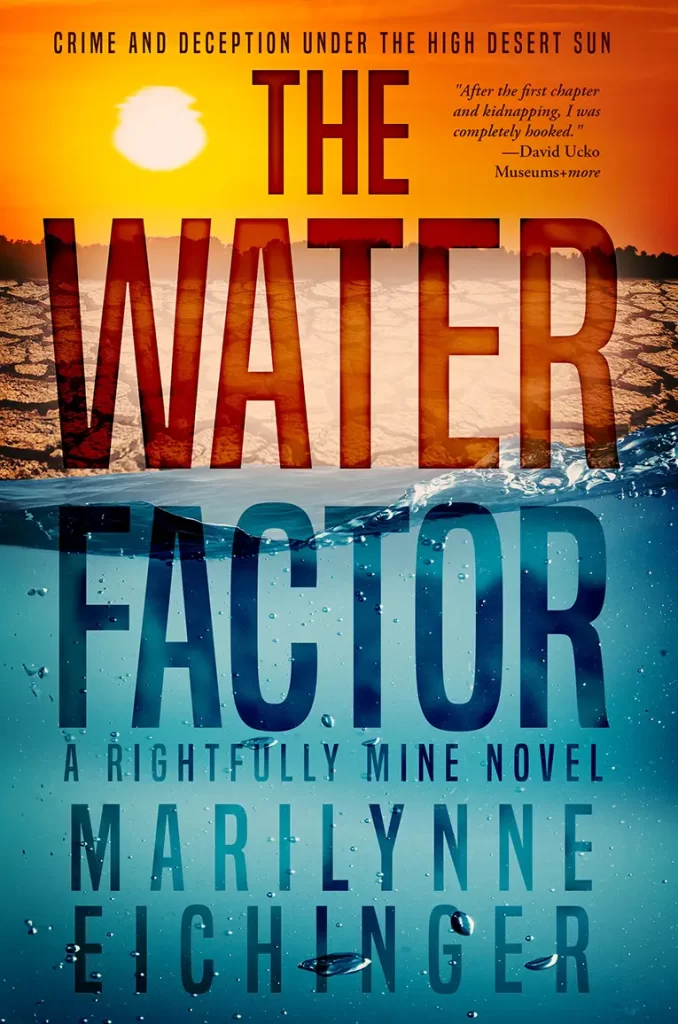
According to the UN, water is at the center of the climate crisis. THE WATER FACTOR, A RIGHTFULLY MINE NOVEL, is your chance to peer into the near future to a time of water scarcity controls by corporate criminals. The story is a gripping tale of water scarcity and corporate wrongdoing.. It is available in ebook, paperback, and audio formats. It can be purchased on AMAZONBarnes and Noble, and as an audiobook on Amazon, Audible, and iTunes. Ask your bookstore to order a copy from Ingram. Please leave a review.

Pass It On

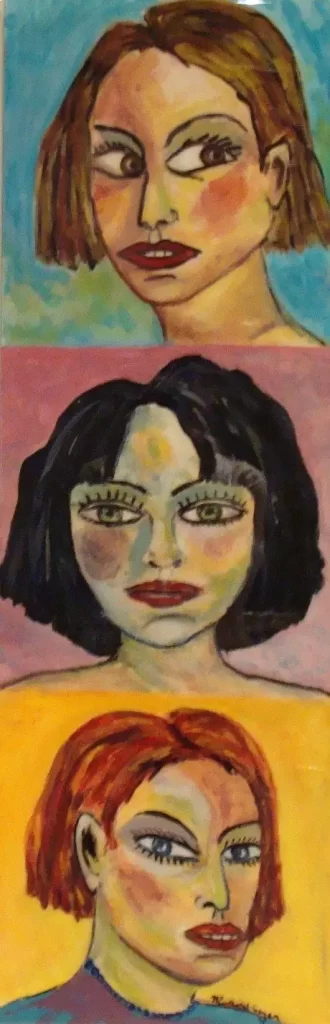
What will turn The Three Sirens into curious, involved adults living a full, balanced, joyful life? Will they turn off their phones, become activists tackling the world’s problems, or only consider themselves? What teachings will they pass on to the next generation?

Until my fifties, I looked for mentors who inspired me to act judiciously, seize the moment, be a better person, and not give up my dreams.  The individuals I admired had a broad outlook and were willing to take risks to expand their perspectives. They opened my consciousness to a deeper understanding of nature, science, art, and humanity and encouraged me to get involved in the community, stepping out of my comfort zone. The activities I once feared often became my best memories after trying them.

Mrs. Lambert, my high school English teacher, put the icing on a love of reading by challenging me to understand why characters behaved as they did. A female anthropology professor at Boston University showed me that a woman could go off by herself and safely observe the culture of an isolated South American tribe. I enrolled in her classes, wanting to follow in her footsteps. Though I never became an anthropologist, she made me aware that cultures evolve economic, religious, familial, political, and social systems that differ. The key to understanding people lies in part in knowing the systems intricacies of their childhood communities. That every individual sees the world through a lens grounded by culture, family, and experience was an important lesson to learn. I stopped evaluating friends and strangers from the pedestal of a white, educated, middle-class American woman and tried to put myself inside their heads.

When I became a mother, I reverted to how my parents raised me. I was fortunate to be loved and exposed to the arts and sciences. They took me to museums, the theater, and the symphony. I was enrolled in dance, art, music, and science and participated in outdoor activities and sports. They aimed to establish a life-long exercise practice and the desire to create. They instilled the trait of curiosity and helped me see failure as a stepping stone to success. I was encouraged to follow my dreams, freeing me to be myself.

So, I embraced my parent’s ways when raising my clan of five, interacting with staff,  and mentoring children to help them become the best versions of themselves. I utilized research findings of developmental psychologist Jean Piaget, educator Maria Montessori, and psychologist Howard Gardner, varying the way I interacted according to their learning styles; i.e., some learned best with tactile activities, others with visual aids, and still others with auditory assists, etc.

The search for mentors continued until my sixties when a neuroscientist colleague advised me to change my focus, develop new hobbies, activities, and exercise routines, and reinvent myself in retirement. Following her advice put me in the mindset of a twenty-year-old out to conquer the world.  I was ready to pass the baton by using my skills to make the next generation more robust, but I wasn’t sure how. Were youths the slightest bit interested in gaining from my experiences?

I wanted them to be less self-centered,  develop a work ethic, and have real-time interactions rather than virtual ones.  I hoped they’d travel, read broadly, laugh a lot, and get serious about saving democracy and promoting peace, starting with their communities. I’d tell them to try new foods, travel abroad, take risks, and face, not fear, life’s hurdles. Above all, I’d say, stay curious.

Hoping their lives would be easier by following my directives was a futile pursuit. They are addicted to cell phones, posting photos on Instagram, and one-word texts embellished with emojis. They spend an inordinate time alone at home, don’t engage in deep conversations, and don’t investigate what they read on social media.

So, what is the best way to incite them to action and pass the baton? Any ideas? Please respond at www.eichingerfineart.com/blog. Share how mentors influenced you and what you do to raise your children or mentor a younger generation.

Suggestions from Senior Living:

  1. Storytelling Sessions are a timeless tradition of sharing life experiences.
  2. Join Mentorship Initiatives that share your area of expertise.
  3. Intergenerational Activities. Like art classes, gardening projects, sporting events, and more.
  4. Digital Literacy Workshops to make it easier to communicate with youth.
  5. Family Recipe Sharing and cooking together.
  6. Cultural Celebrations to impart a rich heritage.
  7. Hosting Educational Workshops on topics of shared interest.
  8. Volunteer Opportunities at the Food Bank, Animal Shelter, Zoo, and more.

You might do what I do: one-on-one interactions that include meals, attending local events, and traveling. Send out regular communications and share your lessons; they may read a few. Help them attain their dreams by using your contacts, resources, and advice. Get to know youth outside your family when your children leave home. It’s essential to stay abreast of change.

Reference:

Wasahachie, M. ( 2024) 12 Ways to Pass Down Knowledge to the Younger Generation. Senior Living. Retrieved from https://www.moradaseniorliving.com/senior-living-blog/12-ways-to-pass-down-knowledge-to-the-younger-generation/

Art is always for sale. The Three Sirens are an acrylic painting on 36″ by 12″ canvas. Available from my website for $495, including shipping. Questions? Contact me at marilynne@eichingerfineart.com

__________________________________________________________Over The Peanut Fence is a memoir of caring for a homeless and runaway twenty-year-old youth with personal stories of the people and agencies that helped him. It received rave reviews that I can’t describe better than the one below.

The book is available on Amazon, Barnes and Noble, and Kobo.

 A blend of memoir and sociocultural commentary analyzes the problem of teenage homelessness. Eichinger had known Zach when he was just a child, the victim of his parents’ chronic “negligence and abuse. The author divides her book into several distinct parts: a remembrance of her experience with Zach, a reflection on the root causes of homelessness in the United States, a synopsis of the latest research regarding the functioning of a youth’s brain, an homage to organizations that make a positive difference; and two short stories that dramatize ways in which adolescents can be effectively assisted. While always pragmatic and rigorously empirical, Eichinger finds considerable cause for cautious optimism, especially given studies demonstrating the deep resiliency of youths’ minds to overcome their early traumas. The authors account is lucidly written, both intellectually thorough and emotionally affecting. In addition, this isn’t a work of ax-grinding political partisanship—Eichinger prefers cool-headed analysis to grandstanding. Further, at the heart of her ‘part memoir and part storybook’  is a profound reflection on the ailing condition of American society, withering from the widespread disintegration of the family and the grim plague of ‘lovelessness.’ An astute and moving assessment of an urgent societal problem.”—Kirkus Reviews

Available https://www.amazon.com/Over-Peanut-Fence-Barriers-Homeless/dp/0999892207/ref=sr_1_1?crid=1SGHEJQCY1U1R&dib=eyJ2IjoiMSJ9.YdkTeTzqYdCSEJ3f35W_MQ.k7b5JjHEA9bJa0qXjz2WotBo9v2fuKc5L3_oyc8vmPY&dib_tag=se&keywords=over+the+peanut+fence&qid=1723914068&s=books&sprefix=ovefr+the+peanut+fence%2Cstripbooks%2C175&sr=1-1

 Amazon

 and Barnes and Noble  https://www.barnesandnoble.com/w/over-the-peanut-fence-marilynne-eichinger/1131146737?ean=9780999892206

Kobo – https://www.kobo.com/ca/en/search?query=over+the+peanut+fence&fclanguages=en

 in ebook and paperback editions

What Happened to Our Democracy?

WaterFactor 400x600 1

Access to clean water cuts to the core of democracy. To see why, read my article published in Wordpeace, a literary online journal for peace and social justice. The Summer/Fall War and Peace issue, h includes poems, stories, essays, and visual art reflecting on the world’s current struggles. My article in the non-fiction section, questions whether water is a right or a commodity. To read the essay, go to https://wordpeace.co/marilynne-eichinger/

The Water Factor is a Firebird International Award winner for best dystopian novel and a Literary Titan recipient for best thriller. Though fun to read, it carries a severe message about water scarcity. It is available in ebook, paperback, and audio formats. It can be purchased on AMAZON, Barnes and Noble, and as an audiobook on Amazon, Audible, and iTunes. Ask your bookstore to order a copy from Ingram. Please leave a review on Amazon after reading.

What Happened to Our Democracy?

“The world’s most powerful democracies are mired in seemingly intractable problems at home, including social and economic disparities, partisan fragmentation, terrorist attacks, and an influx of refugees that has strained alliances and increased fears of the ‘other.’”  A Freedom House report.

Both right and left-wing pundits shout that democracy is in trouble and the “other” party is the cause. They make me wonder if the situation is as dire as they say. Our country has overcome political turmoil several times over the past hundred years. The Great Depression, World War II, the Cold War, and Vietnam gave rise to assassinations, riots, and a disgraced president. People distrusted our country’s economic system and the military-industrial complex and abhorred racial and political diversity, yet the underlying tenets of our democracy held firm. They trusted the voting system, and though some disagreed with the decisions, they didn’t question the Supreme Court’s loyalty to the Constitution.

The people’s will came into question after two of the last four presidents won the popular vote, yet the opposition took office. That, along with the increasing use of filibusters, makes Senators unable to pass bills even when representing the majority of Americans. Representation in The House is also skewed, not reflecting the popular will because of gerrymandering. Political games have weakened the post office, FDA, OSHA, and EPA. The 2025 Republican document threatens the National Water Bureau with closure because water forecasters discuss global warming. After the Supreme Court treated corpora as individuals, special interest donations soared. This led to book bans, eliminating a woman’s right to choose and threats to gay, lesbian, and minority rights.

We say our country is democratic, yet we don’t allow the majority opinion to prevail. Laws governing taxation, the environment, and workplace protections favor the wealthy and penalize the middle class. Despite this, poor, rural, religious extremists and uneducated citizens continue to vote for wealthy oligarchs. How can the country consider itself a democracy when California, the world’s 5th largest economy, with a GDP of nearly $3.9 trillion in 2023  and a population of over 39 million, has the same number of Senators as South Dakota, the 47th worst U.S. economy with approximately  902,000 residents?

The recent trend toward authoritarianism is fueled by the frustration and cultural biases of those afraid of diversity. Democracy in a multicultural society creates challenges that require compromise and expanding attitudes toward gender, language, and foreign values. It is easier to reside in a monolithic society like Japan, Israel, Poland, North Korea, or Tanzania, where there is geographic isolation and religious and racial homogeneity. Nazi Germany practiced monoculturalism through genocide and a campaign for Pan-German nationalism.  Democracy requires compromise for it to succeed.

The United States is the polar opposite of a monocultural society; it is a country with the greatest racial, ethnic, and religious diversity. Unfortunately, our differences spark a divisiveness that rears its head occasionally. We tarred, feathered, and hung enslaved Black people, sent Japanese citizens to internment camps, and labeled liberals as Communists because they wanted social reforms. White Christian Nationalist is rearing its ugly head once more in a country where forty-one percent of the people are not white, and thirty-seven percent say they are not Christian. The twenty-eight percent unaffiliated group is growing.

The U.N. has its hands full, and so do Americans. Thankfully, some counter-trends bring the world together.  Trade and issues around global warming and technology create unifying standards.  Kellogg’s, Coca-Cola, Microsoft, PayPal, Mobile, Visa, Dove, Lipton, and Toyota are a few of the companies that sell worldwide. Coca-Cola, the most widespread, is restricted in North Korea.

The world’s future depends on getting along and compromising for the betterment of humanity and the plants and creatures that inhabit the globe with us. Though it may be difficult, there is no other choice if we are to survive. We will never be a democratic nation if billionaires contribute millions to elect candidates who will help them line their pockets with gold.

First, let’s keep the media and political pundits from lying and spreading rumors on social media. The winner-take-all nature of the Electoral College in most states exaggerates the problem, holding Americans captive by a minority opinion of Americans. Getting rid of it is a reasonable option. Access to water is a democratic issue. Should our citizens be held hostage by companies selling it for excessive gain? Can’t we have access to clean water at a reasonable price?

                           Let’s Sing Leonard Cohen’s song about democracy loud and clear.

                                                “Democracy”

                                                            It’s coming through a hole in the air,

                                                            from those nights in Tiananmen Square.

                                                            It’s coming from the feel

                                                            that this ain’t exactly real,

                                                            or it’s real, but it ain’t exactly there.

                                                            From the wars against disorder,

                                                            from the sirens night and day,

                                                            from the fires of the homeless,

                                                            from the ashes of the gay:

                                                            Democracy is coming to the U.S.A.

                                                            It’s coming through a crack in the wall;

                                                            on a visionary flood of alcohol;

                                                            from the staggering account

                                                            of the Sermon on the Mount

                                                            which I don’t pretend to understand at all.

                                                            It’s coming from the silence

                                                            on the dock of the bay,

                                                            from the brave, the bold, the battered

                                                            heart of Chevrolet:

                                                            Democracy is coming to the U.S.A.

***

To listen to the entire song, go to https://www.onourselvesandothers.com/democracy-usa-leonard-cohen/

Do comment on my blog site at www.eichingerfireart.com

References:

Why Democracy is in Peril and What we Can do About it Aspen Ideas. Retrieved from https://www.aspenideas.org/sessions/why-democracy-is-in-peril-and-what-we-can-do-about-it?

Why pluralism is shared for democracies. Washington Post. retrieved from https://www.washingtonpost.com/opinions/2022/04/25/yascha-mounk-why-pluralism-is-so-hard-for-democracy/

Pluralism: a vital challenge of the 21st century. THE Elders. Retrieved from https://theelders.org/news/pluralism-key-challenge-21st-century

Leonhardt, D. (2023) A Crisis Comment: The Twin Threats to American Democracy, New York Times. https://www.nytimes.com/2022/09/17/us/american-democracy-threats.html

Conversi, D. (2008). “Democracy, Nationalism, and Culture: A Social Critique of Liberal Monoculturalism.” Sociology Compass2 (1): 156–182. doi:10.1111/j.1751-9020.2007.00063.x.

Barbaro, Mi. (2016). Donald Trim Clung to Birther Lie for Years and Still Isn’t Apologetic. NY Times. Retrieved from https://www.nytimes.com/2016/09/17/us/politics/donald-trump-obama-birther.html?_r=0

EMERGING

This image powerfully reminds me that false information circulating on social media and elsewhere keeps the truth from emerging.

Undue Influencers

How would you know if you’ve been brainwashed? Can you remember when someone pressured you to act or think a certain way? Did you give in to it? Most of us have, on occasion, though not to the point where our behavior became extreme. It is hard to self-evaluate and easy to push back when friends and family say you’ve been blindsided.

Authoritarian leaders are challenging to assess because much of their teachings may be beneficial and help us grow. The difficulty arises when the chief instills dependency and indoctrinates followers that harm themselves and others. The Jamestown killings are a dramatic example of self-harm at the direction of the head. The Rajneesh movement in the 1980s and ’90s ended with paranoid followers attending services surrounded by armed guards. Among other things, their leaders poisoned a salad bar in the Dalles, Oregon. January 6th occurred because Donald Trump claimed the election was rigged and inspired followers to storm Congress, harming citizens and legislators rather than trusting the Constitution.

Dr. Steven Hassan, an expert on undue influence, knows what it’s like to be taken in, having been a member of the Moonies. He now helps people free themselves of what he calls a form of unethical hypnosis, a tactic used by authoritarian leaders. His goal is to empower reality testing. Hassan focuses on four categories to evaluate the way someone has been unduly influenced: information, thought, behavior, and emotion. Behavior explores how manipulative leaders regulate and dominate member actions through strict rules, rewards, punishments, and limiting individual autonomy. Thought focuses on the psychological techniques that promote conformity by shaping beliefs and attitudes and suppressing critical thinking. Information examines the flow of censorship and propaganda restricting members’ access to outside perspectives. Emotion considers how followers are manipulated to foster dependency and loyalty through love-bombing, guilt, fear-based indoctrination, and implanting the notion that members are on a higher platform than those outside the group.

Authoritarian leaders control gatherings and the media by isolating their members from outside opinions. Their techniques weaponize members into engaging in antisocial behavior. When followers are bombarded with false information, they become afraid to leave the group and lose friends. Their standing within the group makes them feel like they are among the chosen people.

Years ago, a distraught father begged me to let his daughter attend an OMSI camp, though the session was full. He and the twelve-year-old had been very close until he allowed her to go to a religious camp for a week with a friend. Rather than a wholesome outdoor experience, she was programmed to accept the group’s form of Christianity. The young campers spent days at revival meetings that continued until after midnight. They used tactics that embarrassed, belittled, and scared the children into compliance. Not only were they brainwashed, but they were instructed on how to deal with their parents on returning home. After only five days, she became a believer who distrusted her father. Though I enrolled the girl in camp, and she spoke to a psychologist who deprogrammed cult members, the man’s relationship with his daughter was never the same. Blind faith can be a potent force when not put in perspective.

When confronted by a friend who says you were taken in, it’s easy to get your hackles up and disregard the messenger. But it’s worth taking a moment to ask yourself three questions.

  • How would I know if I was wrong?
  • Do I believe my mind is un-malleable?
  • Am I afraid of changing my beliefs?

To be free of undue control, you must be willing to detach yourself from the constant reinforcing influences. Step back to examine to what extent your behavior, information, thoughts, and emotions were influenced. Seek out people who left the group and find out why. Think back to when you first joined the group and ask what you expected and how it differs today. Look deeply into how the leader operates and question if you’ve been brainwashed to distrust critics.

I’ve witnessed chaos in several organizations caused by individuals more interested in power than the group’s welfare. In each instance, the organization’s leadership was systematically undermined. The leader controlled their department while using the organization’s resources that furthered personal interests, ignoring the impact on the larger group. A dangerous situation was created that tore the organization apart. You can see it occurring in Congress when extreme factions threaten control and stop legislation from moving forward.

Local schools, churches, neighborhood groups, municipal governments, social justice organizations, and our families are where we practice democracy in a pluralistic society. By respecting divergent opinions and compromises for the good of the whole, we can sidestep stress,  anger, strife, and even war.

I look forward to your comments below.

WaterFactor 400x600 1

I’m pleased to announce The Water Factor: A Rightfully Mine Novel received an honorable mention at the New York Book Festival to add to its awards. The novel examines the emotions and consequences of those who seek personal advantage over the good of society. Though a work of fiction, there is much to be gained by exploring what happened when water became a commodity rather than a right. Corporations that benefit at the expense of the masses affect all of our lives, yet there are pros and cons to their actions. This is your chance to peer into the near future to a time of water scarcity controlled by water cartels. The Water Factor is a Firebird International Award winner for best dystopian novel and a Literary Titan recipient for best thriller.  It is available in ebook, paperback, and audio formats. It can be purchased on AMAZON, Barnes and Noble, and as an audiobook on Amazon, Audible, and iTunes. Ask your bookstore to order a copy from Ingram. Please leave a review on Amazon after reading. 

EMERGING is a 31” by 48” acrylic painting on canvas, available including shipping in the Continental US for $895. Contact me for information at marilynne@eichingerfineart.com

______________________________________________________________________________

References:

Website (2024)BITE Model of Authoritarian Control. Freedom of Mind Resource Center.Retrieved from https://freedomofmind.com/cult-mind-control/bite-model-pdf-download/

Smith, T. (2021) Experts in Cult Deprogramming  Step In To Help Believers in Conspiracy Theories.NPR Heard on All Things Considered. Retrieved from https://www.npr.org/2021/03/02/972970805/experts-in-cult-deprogramming-step-in-to-help-believers-in-conspiracy-theories

Website (2023) Cult Intervention. People Leave Cults. Retrieved from https://www.peopleleavecults.com/services/cult-intervention-process

Hassan, S. (2023) Beyond Cult “Deprogramming” Psychology Today. Retrieved from https://www.psychologytoday.com/us/blog/freedom-of-mind/202303/beyond-cult-deprogramming Hassan, S. (2022) How to Free our Minds with Cult Deprogramming Expert Dr. Steven Hassan. Center for Humane Psychology. retrieved from https://www.humanetech.com/podcast/51-how-to-free-our-minds