The Power of Hobbies to Keep You Sane and Why Schools Should Teach More Than Career Skills

During COVID, I took out my frustrations on canvas. Replanting the Garden was painted in May, when people were using their gardens as an escape from isolation, hoping the pandemic would be short-lived. Flying High was painted in June, when kites were flying, as was the disease. We knew then that an ending wasn’t in sight. Painting is one of the activities I use to relieve stress.

Most public schools today focus on preparing students for college, while a few trade schools prepare their students for careers.  While those goals are important, they overlook something equally vital to lifelong well-being: the development of hobbies.

When I was a child, hobbies weren’t an afterthought — they were part of daily life. My parents and grandparents set the example. My mother and grandmother taught me sewing, knitting, crocheting, and art. My father took me fishing, played catch during baseball season, and spent weekends golfing. My grandfather, an accomplished photographer, had a darkroom in his basement where magic seemed to happen under the red glow of the safelight.

Throughout my childhood, I took ballet and piano lessons, attended art and craft classes, and went to children’s symphony concerts and plays. I ice skated, played tennis, skied, and rode horses. Some activities stuck; others didn’t. But each experience helped me discover what truly brought me joy.

Today, in retirement, I still write, paint, and stay physically active every day — habits rooted in those early experiences.

Schools also played a role back then. Home economics, shop, and music were required courses, with little loyalty to workers, which taught practical skills like cooking, sewing, woodworking, and metalworking. Summer programs kept us busy with crafts and sports. These opportunities weren’t expensive — many were free — and every child I knew participated in something. We weren’t glued to screens or gaming with strangers; we were building skills, confidence, and lifelong passions.

Research backs up what many of us intuitively know. A 2023 study in Nature Medicine found that among 93,000 adults over age 65, those with hobbies reported better health, greater happiness, fewer symptoms of depression, and higher life satisfaction. Another study from Drexel University revealed that just 45 minutes of art-making significantly reduced cortisol levels, a key stress hormone.

Hobbies aren’t mere pastimes — they’re lifelines. Physical pursuits like hiking or dancing improve lung capacity, reduce inflammation, and lift mood. Creative hobbies like painting or woodworking enhance focus, dexterity, and emotional well-being. Above all, they give us purpose — a reason to look forward to each day.

Professionally, hobbies connect us with like-minded people, often easing loneliness and sometimes even leading to career opportunities. They make us more interesting, more balanced, and better equipped to handle stress.

So, how can you find time for hobbies in an already packed life?

  • Start small. You don’t need to commit daily — even a few hours a week can make a difference.
  • Take mindful breaks. Replace mindless scrolling or TV time with something creative or active.
  • Explore. Try something new every few months — a class, a sport, or a craft — and see what resonates.

As the modern workweek continues to shrink with little loyalty to workers, and as more people work remotely, the need for meaningful engagement outside of work will only grow. Schools, governments, parents, and grandparents can all help by modeling balanced living and ensuring that hobby programs remain affordable and accessible.

A society that values both productivity and personal fulfillment is a happier, healthier one. And it begins by teaching children ,not just how to make a living, but how to make a life.

______________________________________________________________________________

Please share your hobbies on my blog site at https://www.eichingerfineart.com/blog/203388/the-power-of-hobbies-to-keep-you-sane-and-why-schools-should-teach-more-than-career-skills

. Have you passed your passion on to the next generation?

Art is always for sale. To purchase Replanting the garden, go to https://www.eichingerfineart.com/workszoom/3536926/replanting-the-garden#/

To purchase Flying High, go to https://www.eichingerfineart.com/workszoom/3589866/flying-high#/

______________________________________________________________________________References

Venkat, S.R.(2025) Health Benefits of Hobbies. WebMD.Retrieved from https://www.webmd.com/balance/health-benefits-of-hobbies

Wogan, H. (2024) Why having a hobby is good for your brain and body. National Geographic. Retrieved from https://www.nationalgeographic.com/science/article/hobby-health-benefits-exercise-art-outdoors

Mak, H. and associates (2023). Hobby engagement and mental well-being among people aged 65 years and older in 16 countries.Nature Medicine. Retrieved from https://www.nature.com/articles/s41591-023-02506-1

______________________________________________________________________________

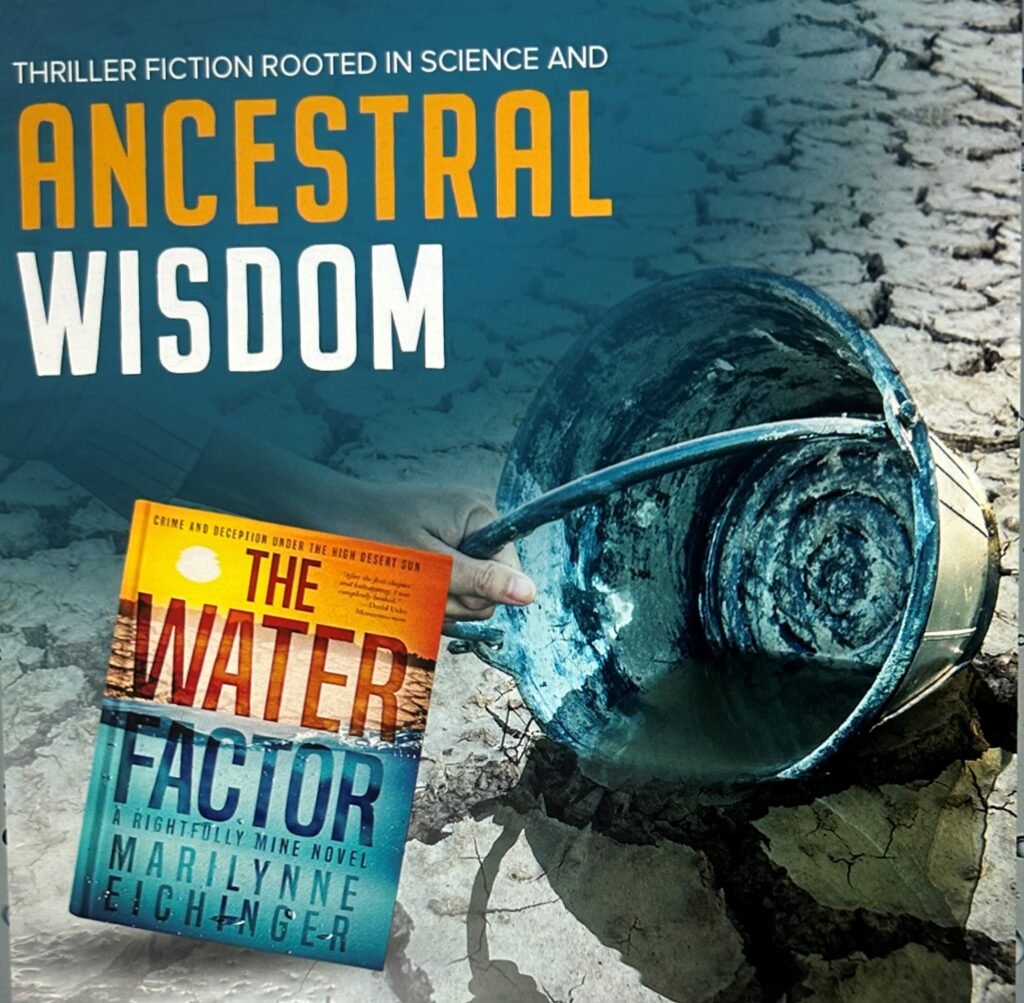
 Enjoy my writing. Read the Water Factor available on Amazon, Barnes and Noble, Powell’s Books, and at Annie Bloom’s Books.
Family in a Time of Upheaval

Static intermission is about finding order in chaos. It’s what many of us crave during turbulent times.

According to the Pew Research Center, Americans today are split on the meaning of family. People are more pessimistic than optimistic about the future of families, and fewer see marriage or parenthood as essential to a fulfilling life. What most people do agree on is that “family” now comes in many forms—single parents, blended households, child-free couples, multiracial families, and same-sex partnerships.

That flexibility is healthy.  I can’t help but think that part of the disarray in our society stems from something basic: how well we parent and how well we show up for one another in the most basic ways.

Family is no longer just about blood. It’s about the bonds we choose to nurture. And those bonds aren’t built through titles, careers, political loyalties, or even shared hobbies. They grow through small, everyday actions, such as eating together, celebrating victories, and offering a safe place to land when the world feels brutal. That’s where trust takes root.

I grew up in what I now view as a storybook childhood after World War II. My extended family shielded me from hardship. I lived in a neighborhood that believed in the Constitution, the rule of law, and basked in the moral victory of defeating dictators like Hitler and Mussolini. What I didn’t see and what my community didn’t want to see was that not everyone shared in that safety or equality. Women, minorities, and the poor were often left out of the American dream I took for granted. I never imagined that one day, our own democracy could feel fragile, or that authoritarian voices might rise inside our own borders.

That illusion cracked when I worked at a community mental health hospital. Suddenly, I was face-to-face with pain: teens with unwanted pregnancies, veterans with PTSD, people broken by abuse or random violence. The fairy tale was gone. Life wasn’t fields of flowers and cotton-candy skies. Instead, it was complicated, messy, and often cruel.

But even in the darkest places, I saw something powerful: people who had grown up with love and trust had more resilience. They weren’t immune to tragedy, but they could still see beauty, still find meaning in life, still push through its evil. Family bonds that were strong became lifelines.

So what does a healthy family look like? It’s not about perfection, or having money, or getting every rule right. It’s about raising kids who, by adulthood, can stand on their own,. They are adults who:

  • Model empathy, self-control, and healthy boundaries.
  • Respect each child as an individual with a voice worth hearing.
  • Set fair, consistent expectations that grow with the child.
  • Provide safety, not fear. Forgiveness, not grudges.
  • Make mistakes—but own them, and keep love unconditional.

Parenting doesn’t end when kids turn eighteen. In many ways, that’s when the hardest work begins. We want to raise independent adults, but we also want to stay connected. That balance, respecting boundaries while maintaining closeness, is where many families stumble.

It’s especially challenging now. Many adult children live states away, pulled by jobs or partners. Technology can help, but Zoom calls and texts aren’t the same as being in the same kitchen. And the political divide has strained even the strongest bonds. Too many family gatherings end with people walking on eggshells or not showing up at all.

But a healthy adult relationship between parent and child is possible. It grows out of the same principles that shape childhood: respect, listening, forgiveness, and unconditional love. That means:

  • Respecting privacy and decisions, even when they differ from your own.
  • Being financially independent.
  • Enjoying each other’s company without turning every visit into a political debate.
  • Allowing the relationship to shift from one of authority to one of partnership.

The goal isn’t to preserve childhood forever. It’s to create a bond that can survive distance, disagreement, and change. Because in a world where so much is pulling us apart, family can either fracture or become the thread that holds us together.

That’s why family still matters in this political moment. Authoritarian movements thrive when people feel isolated, powerless, or unloved. Strong families, whether by blood or by choice, are our first defense against fear and manipulation. If we can learn to practice empathy, forgiveness, and resilience at home, we’ll be better prepared to face a divided world with strength and hope.

We can’t predict what the next decade will bring: economic shocks, climate disasters, and political upheavals. What we can do is raise the next generation with the resilience to face it. That resilience doesn’t come from TikTok or political slogans. It comes from family.”

______________________________________________________________________________I look forward to your comments .Did your family raise you to be an independent thinker, a person able to meet difficult challenges and remain resilient? Comment on my blog site.

Static intermission is a 20” by 15” acrylic painting on deep canvas. To purchase. go to https://www.eichingerfineart.com/workszoom/5679353/static-intermission#/

___________________________________________________________________________-

References;

Parker, K. & Minkin,R. (2023) Public Has Mixed Views not he Modern American Family. Pew Research Center. retrieved from https://www.pewresearch.org/social-trends/2023/09/14/public-has-mixed-views-on-the-modern-american-family/

Schrader, J. (2023 )6 Characteristics of Healthy Families.Psychology Today. Retrieved from https://www.psychologytoday.com/us/blog/invisible-bruises/202304/6-characteristics-of-a-healthy-family

 from 

Sibder, ( 2019)Parenting Adult Children: Five Signs of Healthy Relationships. Sonder Wellness. Retrieved from https://www.sonderwellness.com/blog/2019/04/adult-children/

______________________________________________________________________________

Hokama, the hero of The Water Factor, grew up with empathetic parents who valued community over personal wealth. His physician mother assists low-income and indigenous families, and his father, an attorney, provides free services to a Native American Reservation. Their views helped shape the activist Hokama became, and gave him the courage to fight an egregious corporate crime. 

A Firebird International Award winner for Best Dystopian Novel and a Literary Titan recipient for Best Thriller, available in ebook, paperback, and audio formats. Available for purchase on Amazon, Barnes & Noble, Powell’s Books, and Annie Bloom’s Books, and on audiobook platforms such as Amazon, Audible, and iTunes.

The Irresistible Drive to Create

Over the Fence: From Rags to Riches was painted to convey the difficulty of overcoming barriers to success and financial security.

The drive to create is a defining quality of being human. From the time we are born, there is an impulse to bring into existence something that wasn’t there before. Scientific research indicates that exposure to natural environments stimulates curiosity and imagination, while psychology and neuroscience confirm that creativity is fueled by a combination of biological, psychological, and social factors. More than a survival tool, creation fulfills a profound human need: to explore, express, and shape the world around us. For many, the urge is so strong that it becomes inseparable from who they are.

I am one of those people. Talent has little to do with it. What matters is that the act of creating makes me feel alive. To put brush to canvas or words on a page elevates my spirit in a way I can hardly describe.

Theories about the purpose of art abound. Some scholars suggest that cave and rock paintings were meant as records for future generations. Yet as we leap forward in history to the Baroque period, we see art take on a different role: beauty for its own sake, an act that unites and uplifts. Handel, Vivaldi, Monteverdi, Rubens, and Rembrandt pushed boundaries, leaving works that shaped generations far beyond their own time.

The artist Raphael Soyer captured this impulse perfectly:

“If I don’t paint, I don’t feel well physically or mentally. But when I paint a full day, I feel satisfied and everything seems to be OK. I would never stop, never retire. I can’t see how people can retire; I can’t understand that.”

Soyer also described writing in the same way:

“When I do write – especially if I get something on its way to publication – I feel as if I have had the best possible physical workout, as if I have swum a couple of miles.”

Like Soyer, I feel fortunate to live with two outlets—painting and writing. They give me balance. No matter how turbulent the world may be, creativity offers me a path back to inner peace. That doesn’t mean I ignore the horrors around me. I protest injustices, and I speak out. However, art and writing allow me to replenish my strength, so I can continue fighting.

When my son was diagnosed with cancer, anger and grief overwhelmed me. Painting became my way through. I poured my frustration onto the canvas and emerged steadier, able to support him through the long year that followed. Today, I channel my fury about environmental destruction into writing. My words become a bridge for those less attuned to nature, helping them see what is at stake and why the earth must remain a clean, green, and livable planet.

Creativity is not the possession of a chosen few, and it’s not confined to art. It is found in cooking, sewing, gardening, repairing a broken object, or repurposing its use. It lives in everyone, waiting to be nurtured. If you don’t cast it aside, creativity can keep you hopeful, energized, and resilient. It allows us to leave the world just a little better than it was when we first arrived.

References

  • Kaufman, S. B., & Gregoire, C. (2016). Wired to Create: Unraveling the Mysteries of the Creative Mind.TarcherPerigee.
  • Runco, M. A., & Jaeger, G. J. (2012). “The Standard Definition of Creativity.” Creativity Research Journal, 24(1), 92–96.
  • Richards, R. (2007). Everyday Creativity and the Healthy Mind: Dynamic New Paths for Self and Society. Palgrave Macmillan.
  • Csikszentmihalyi, M. (1996). Creativity: Flow and the Psychology of Discovery and Invention. Harper Perennial.
  • Wilson, E. O. (1984). Biophilia. Harvard University Press.
  • Kellert, S. R., & Wilson, E. O. (1993). The Biophilia Hypothesis. Island Press.
  • Collins, D. (20210. A relentless Drive to Create. Creative Grimorire. Retrieved from https://www.creativegrimoire.com/the-grimoire/the-drive-to-create

______________________________________________________________________________

I look forward to your comments on my blog post. Whether through cooking, sewing, fixing cars, painting, photography, or writing, please share your creative outlet on my blog site.

Over the Fence: From Rags to Riches is a 21 x 25” framed acrylic painting on canvas. It is available for sale at https://www.eichingerfineart.com/workszoom/1975474/over-the-fence-from-rags-to-riches#/

Questions? Contact me at

_______

Universal & Reflective
Creativity is more than talent—its an essential part of being human. From ancient cave paintings to modern art and writing, the urge to create helps us heal, connect, and find meaning in a turbulent world.

Personal & Emotional
For me, painting and writing are more than hobbies—theyre lifelines. The irresistible drive to create gives us resilience, renews our spirit, and reminds us that beauty can emerge even from pain.

Activating & Inspiring
We all carry a spark of creativity within us. By embracing it—whether through art, music, or words—we not only transform ourselves but also leave the world a little better than we found it.

What if the water your community depends on disappeared overnight? That question drove me to write The Water Factor. By turning a serious issue, the corporate takeover of water, into a story, I could explore it with intrigue, tension, and heart. I imagined a group of young activists taking water trucks from the company draining the local aquifer, fighting for the lifeblood of their town. To my surprise, the scenario wasn’t entirely imaginary: water trucks have been stolen across the U.S. Writing fiction allowed me to transform my fear into a warning, inviting readers to see how close reality can sometimes be to the stories we tell.

The book can be purchased on AMAZON, Barnes and Noble, and as an audiobook on Amazon, Audible, and iTunes. Ask your bookstore to order a copy from Ingram. Please leave a review. 

A Laughing Matter

I THOUGHT I KNEW YOU

With most people not what you think they are, so you may as well have a good laugh!

Years ago, while at a convention, I passed a room where people stood on chairs laughing. It seemed bizarre, but I later learned they were taking a laughter workshop. At the time, my own life was full of adventure and novelty, and I couldn’t imagine paying money to laugh. Watching my children grow up gave me plenty of opportunity to do so.

But this week, sitting in a circle of well-off friends sharing their emotional states, I realized how the ugly political climate has taken a toll. People who once described themselves as content now admitted to feeling anxious, angry, fearful, stressed, depressed, and sad. Out of nineteen of us, only two said they felt hopeful. Though these were active, healthy people—science-believers, vaccine-takers, and vitamin enthusiasts—many confessed they often cried after reading the news.

Remaining in a politically or socially induced depression isn’t healthy, so I began to think of remedies outside of counseling. The first thing that came to mind was laughter, nature’s antidote to sadness.

“Laughter is the best medicine” is more than a cliché. When you laugh, you breathe in more oxygen, which stimulates the lungs, heart, and muscles. Laughter also triggers the release of endorphins. the brain’s feel-good chemicals. It’s similar to what athletes call the “runner’s high.” The physical boost to circulation may be short-lived, but it’s enough to remind us how good it feels to smile.

You might be surprised to learn that laughter can also provide temporary relief from pain. It produces small amounts of natural morphine, which dulls pain receptors in the brain. Don’t worry, becoming a laughter addict won’t get the narcs at your door, yet it might make you a happier person.

Stress, by contrast, is often deadly. I’ve heard of people experiencing a heart attack after a natural disaster or bad news, but never from receiving good news. Studies suggest laughter can actually improve cardiovascular function. It triggers beta-endorphins that make the lining of the heart more reactive, and it produces a muscle-relaxing effect that can last up to 45 minutes.

Though it won’t replace the gym, ten minutes of hearty laughing burns up to 40 calories, which adds up to about four pounds in a year. That’s funny enough to laugh about. Even more profoundly, laughter boosts immunity by reducing stress that has a negative effect on the systems governing health, including the immune system, and can decrease heart rate and blood pressure.. It also lowers blood pressure and heart rate.

Another gift of laughter is its ability to shift perspective. Kings of old kept jesters in their courts for this very reason. Like today’s stand-up comics, jesters could cut through tension and reveal truth, often helping people see problems as less threatening and easier to bear.

And perhaps most importantly, laughter draws people closer. It’s social glue, increasing connection and strengthening relationships. By lowering stress hormones like cortisol, adrenaline, and dopamine, it lifts mood and makes us easier to be around.

So, the next time the news cycle drags you down, remember that seven days without laughter makes one weak. And if that’s not enough, recall that ants who fight crime are called vigilantes, oceans say hi by making waves, and for this Halloween, there is still time to find a bird that gives out tweets.

Because sometimes the best prescription really is just a good laugh.

______________________________________________________________________________

Share a joke, tell a tale for your life. What makes you happy? What keeps you laughing? Respond on my blog site.

Art is always for sale. I thought I Knew You is a 36” by 18” framed, Mixed Media painting on Canvas. It will keep you laughing. Available for purchase on my website at https://www.eichingerfineart.com/workszoom/1353668/i-thought-i-knew-you#/

______________________________________________________________________________


References:

Mayo Clinic Staff  (2025) Stress relief from laughter? It’s no joke. Mayo Clinic Healthy Lifestyle. Retrieved from https://www.mayoclinic.org/healthy-lifestyle/stress-management/in-depth/stress-relief/art-20044456

Yoshikawa, Y. & Ohmake, E. and others. (2018) Beneficial effect of laughter therapy on physiological and psychological function in elders. NIH National Library of Medicine. retrieved from https://pmc.ncbi.nlm.nih.gov/articles/PMC6279721/

Staff writer. (2025) The Truth About Laughter as Medicine. Facty Health. Retrieved from https://facty.com/lifestyle/wellness/the-truth-about-laughter-as-medicine/?

______________________________________________________________________________

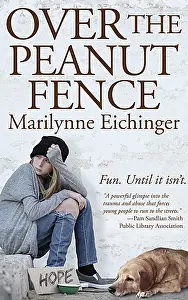
When I interviewed Streetwise for the book OVER THE PEANUT FENCE, about homeless and runaway kids, he shared a story I will always remember. Rather than holding up a sign, saying he was hungry and needed a handout, he made a sign that said, ” I bet you can’t hit me with your quarter.” When people saw it, they laughed, and though no one ever threw a quarter at him, they often gave him a dollar or two. It wasn’t long before he had enough to buy lunch or dinner.

Over the Peanut Fence is available in paperback and ebook formats in bookstores and online. To purchase on Amazon go to https://www.amazon.com/Over-Peanut-Fence-Barriers-Homeless-ebook/dp/B07Q7SLRM3

Does the End Ever Justify the Means?

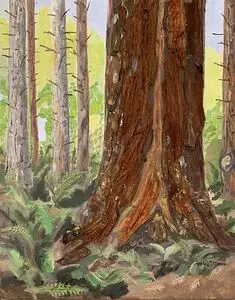
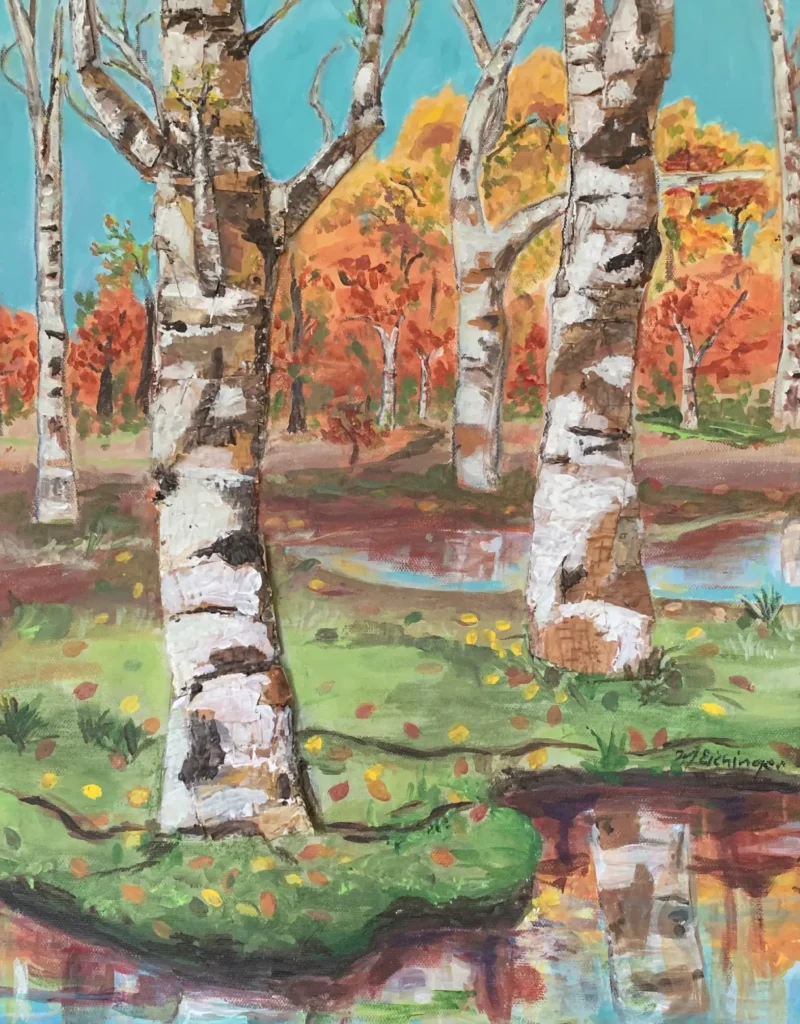
                          Western Red Cedar                            Birch Trees                                  

The phrase the end justifies the means” is often attributed to Niccolò Machiavelli, but it actually originated with the Roman poet Ovid in his Heroides (The Heroines). Still, Machiavelli came close to the idea in The Prince, where he wrote:

Moreover, in the actions of all men, and most of all of Princes, where there is no tribunal to which we can appeal, we look to results. Wherefore, if a Prince succeeds in establishing and maintaining his authority, the means will always be judged honorable and be approved by everyone.”

In other words, if you hold power and maintain it, history is likely to judge your methods favorably. Yet many psychologists argue that lies and manipulations corrode the liar’s character, eventually coming back to haunt them.

Politics, Lies, and Economics: From a Machiavellian perspective, deception in politics is tolerable, even necessary, if it achieves the desired goal. But the 2008–09 financial crisis shows the dangers of this thinking. Investment bankers traded subprime mortgages, knowing many homeowners could never pay them back. Because the risk was offloaded onto third parties, the bankers enriched themselves while the broader public suffered the fallout. The “means” worked for them, but the “end” was catastrophic for millions.

Is Lying Ever Acceptable? Most ethicists see lying as a form of disrespect. Yet some cases challenge that rule. Consider what happened when the Nazis searched for Anne Frank—her protectors lied and said she was not there. Was that lie justified? Similarly, are people who shelter migrants fleeing violence and poverty acting rightly when they defy the law? Who holds the moral high ground?

The Justification of War: History shows that violence is sometimes perceived as the only viable option.

  • The Civil War: The North concluded that only armed conflict could end slavery. Hundreds of thousands of soldiers and millions of civilians paid the price, but slavery was abolished. Was there an alternative to getting this result?
  • World War II: When Hitler’s regime could not be stopped internally, global war followed, leading to 50–55 million civilian deaths. Was such devastation the only way to end fascism?

The Power and Limits of Nonviolence: Gandhi’s nonviolent resistance in India mobilized tens of thousands, often at great personal cost. During the Salt March in 1930, more than 60,000 were imprisoned, and many were beaten or killed because the  British didn’t share Gandhi’s approach. Killing and imprisoning those in their way felt justified to them. Gandhi’s movement ultimately led to independence from Britain, but it did not prevent the violent partition between Hindus and Muslims. Could India’s freedom have been won more quickly, more unified, or less bloodily, by other means?

Similarly, in the U.S. Civil Rights movement, two strategies coexisted: Martin Luther King Jr.’s nonviolence and Stokely Carmichael’s militancy. Nonviolent protest gained moral authority and public sympathy, while militant groups, such as the Black Panthers, raised the stakes for federal leaders. Together, the contrasts created pressure that contributed to the Civil Rights Act of 1964 and the Voting Rights Act of 1965.

Moral Boundaries Today: What about now? Is violence ever justified against those who spread hate, lies, and division? What about political figures who oppose diversity, deny science, and inflame gun culture? Should citizens ever take justice into their own hands?

And what about governance itself?  Do freedom of speech, expression, religion, honest reporting, having privacy, health and sexuality rights, and gun ownership matter to you?  As corporate power expands and authoritarian impulses grow stronger, we must ask: Will an autocratic system provide more freedom than the “messiness” of democracy? Or will resisting such a system lead to violence once again, killing millions? What system of governance will make you feel safe?

The Unsettling Question: History suggests that both violent and nonviolent means can achieve monumental change, but at great cost. Whether the ends ever justify the means is not an abstract puzzle but a pressing ethical dilemma. These are dangerous times when individuals take the law into their own hands. Yet, I find our governance both scary and confusing. Our choices must be studied carefully, because their consequences will shape not only the present but the generations that follow.

When I consider these matters, I strive to keep love at the core of my decisions.  It’s a calming thought that helps me understand those who think differently from me.

____________________________________________________________________________

Start a conversation. Please share your thoughts in the comment section.

Art is always for sale. To purchase one of the thirty trees or a canvas print of them, go to the works page on my website at https://www.eichingerfineart.com/works. Stroll down to Arboredum and/or Canvas prints.

_____________________________________________________________________________

References:

Philosophy website (2014) Retrieved from https://philosophy.stackexchange.com/questions/14881/where-did-machiavelli-say-that-the-ends-justify-the-means

Mintz, S.  (2018) Do the ends Justify the Means?Ehics Sage. Retrieved from https://www.ethicssage.com/2018/04/do-the-ends-justify-the-means.html

BBC website (20235) How a college dropout from the suburbs became MAGA star Charlie Kirk. Retrieved from https://www.bbc.com/news/articles/c33r4kjez6no

website 92026) Research Starters: Worldwide Deaths in World War Ii. The National World War II Museum.Retrieved from https://www.nationalww2museum.org/students-teachers/student-resources/research-starters/research-starters-worldwide-deaths-world-war

Britannica Website (2025) Resistance and results in Mahatma Gandhi. Retrieved from https://www.britannica.com/biography/Mahatma-Gandhi/Resistance-and-results

_________________________

How should homeless and runaway youth be treated? Like truants> Do they belong in the criminal justice system, or should they be helped to overcome the sordid background they want to escape?

Over the Peanut Fence is available in paperback and ebook formats in bookstores and online. To purchase on Amazon go to https://www.amazon.com/Over-Peanut-Fence-Barriers-Homeless-ebook/dp/B07Q7SLRM3

Water A slippery slope

ACCESS TO CLEAN WATER IS ON A SLIPPERY SLOPE

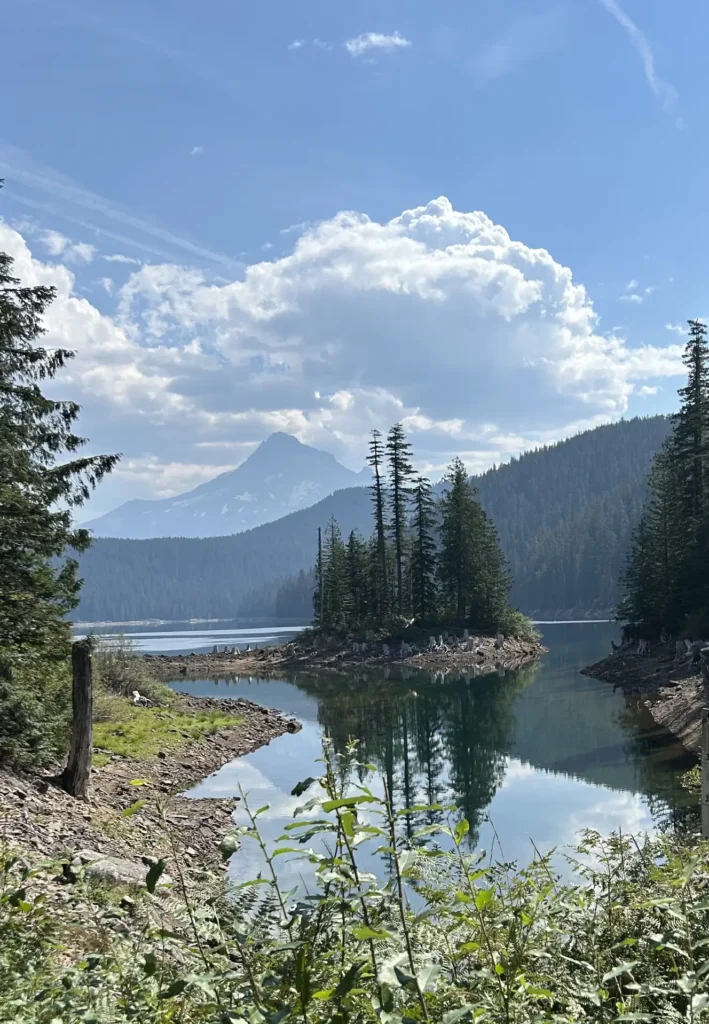
Access to clean, inexpensive water is on a slippery slope as governments give up management of their water systems to for-profit corporations. Last week, I took a Bull Run Watershed Tour to learn more about how Portland’s water is delivered.  It was designated as the city’s water source in 1890 and currently serves approximately 950,000 residents. Like Seattle and Manhattan, Portland’s water is not filtered.

A second reason for the trip was to investigate whether a corporate subcontractor might be contributing to rising water rates. Across the nation, many communities outsource water management to private companies, firms that often prioritize shareholder profits over cost containment for customers. When I asked several people in the Water Bureau about this, I was assured that Portland’s water and waste systems are managed in-house. Yet the information forwarded to me was so confusing, with pages of names and numbers, that it was impossible to find a clear answer.

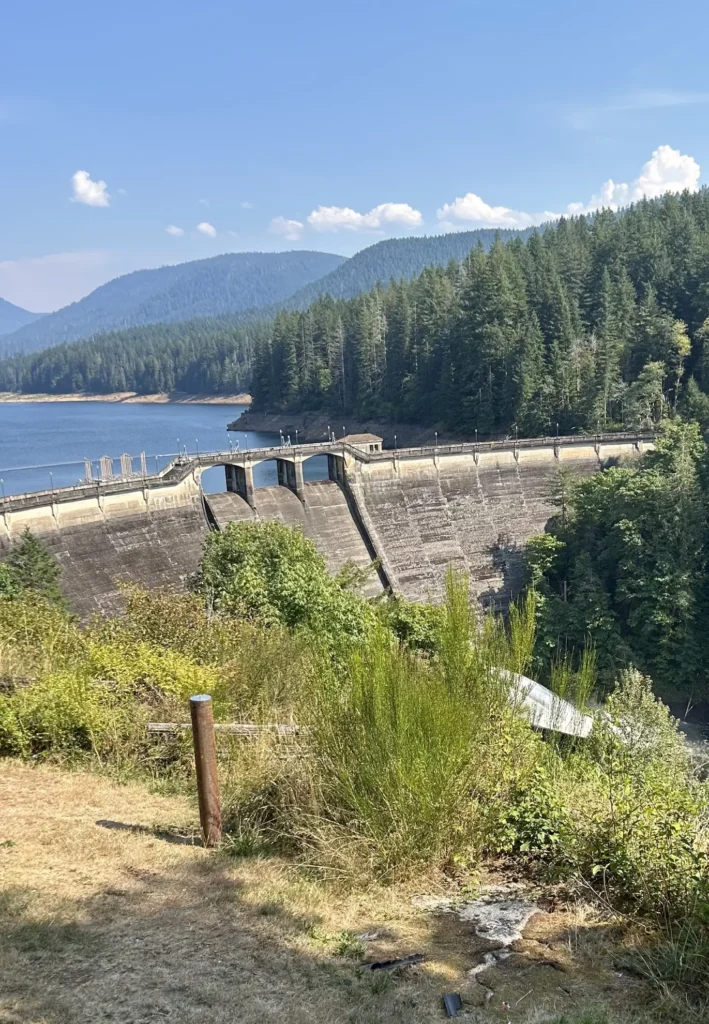
The tour began with a beautiful hike through a 750-year-old forest to the headwaters, where a spring bubbles up from the ground to form the river. This river flows through a 140-square-mile area jointly managed by the Portland Water Bureau and the U.S. Forest Service. Although logging was permitted until the mid-1960s, it is now prohibited. The system includes two reservoirs created by dams on the Bull Run River. While this is Portland’s primary water source, the city also maintains a groundwater well field as a backup in case of emergency.

I was especially fascinated by the dams. The first, completed in 1929, was designed and managed entirely by in-house staff. Despite the absence of OSHA at the time, the dam was built in just two years, under budget, and with no casualties. The second dam, built in 1962, tells a different story. Smaller than the first, it was subcontracted to consultants. Construction dragged on for four years, ran over budget, and resulted in the deaths of four workers.

There is also a diversion stream, left untreated, to support fish runs. The main supply, however, is treated with chlorine, ammonia, sodium carbonate, and carbon dioxide. More recently, Portland began building a $2 billion filtration system to remove Cryptosporidium, in compliance with federal and state regulations, and to increase resilience against natural disasters such as wildfires and landslides. Unsurprisingly, the design and construction were contracted out. What surprised me was learning that a management contract is already in place for after completion. When finished in 2027, Portland area customers will receive treated water from Pleasant Home Water District.

From the research I’ve conducted over the past four years, this is often how corporate takeovers of local water systems begin: construction contracts gradually expand into management. Transparency is nearly impossible, as costs can be hidden in dozens of ways. Water bills inevitably rise. A 2022 study by researchers at Cornell University and the University of Pittsburgh found that private ownership is linked to higher water prices and reduced affordability. The oft-repeated claim that private companies run water systems more efficiently than government agencies is a myth. The corporate takeover of water is a slippery slope.

Your comments are always appreciated.

___________________________________

I wrote The Water Factor after years of researching the aftermath of water being designated a commodity rather than a right. It’s why a twenty-year-old became an eco-activist, willing to put his life on the line to reclaim a Native tribe’s right to water? The Water Factor presents a powerful example of what happens when people become fed up with corporate greed; they overcome their fears and act. The book is a Firebird International Award winner for Best Dystopian Novel and a Literary Titan recipient for Best Thriller, available in ebook, paperback, and audio formats. Available for purchase on Amazon, Barnes & Noble, Powell’s Books, and Annie Bloom’s Books, as well as in other national stores, and on audiobook platforms such as Amazon, Audible, and iTunes.

The Manhood Trap

Curious Cat

Men are told to be providers, but what happens when the job disappears?Women in their mid-20s are storming into the workforce at historic rates. Men? They’ve stalled out for more than a decade. One in four fathers lives apart from his kids. And deaths of despair, overdoses, alcoholism, and suicide affect men at triple the rate of women.

Instead of addressing this crisis, some politicians mock women as “childless cat ladies” and tell men their masculinity depends on how they vote. Shockingly, the tactic works: in the last election, young men under 30 shifted sharply to the right.

Masculinity on the Brink                                                                                                             
For decades, feminism has broken barriers and redefined what women can be. However, while women expanded their roles, men’s definition remained stuck to that of a provider. According to the 2025 State of American Men Report, most Americans, men and women, still define manhood in economic terms. For men who can’t fill that role, the fallout is brutal: shame, depression, sometimes suicide. Gen Z men, facing unstable work, are especially vulnerable.

Meanwhile, toughness and self-reliance are instilled in children early on by parents, peers, and the media. Vulnerability is punished. Violence is normalized. And when life doesn’t measure up, resentment festers. By 2025, 38% of men said someone had told them they weren’t a “real man,” up from 29% just two years earlier. That’s a lot of wounded pride waiting to be weaponized.

The Politics of Manhood                                                                                                              
The Pew Research Center found that nearly half of Republican men believe society looks down on masculinity, compared to only one in five Democratic men. Yet the public isn’t clamoring for “toxic” behavior. Three-quarters of Americans say it’s not acceptable for men to talk about women sexually. Nearly 70% disapprove of men having multiple casual partners. Two-thirds reject heavy drinking or fighting as signs of manhood.

Here’s the contradiction: while society moves past outdated masculine norms, young men feel ignored. Sixty-nine percent say, “No one cares if men are okay.” Their pain makes them easy prey for movements that channel frustration into grievance. Many grow skeptical of feminism and the LGBTQ movement, even as most are for diversity and say men and women deserve equal opportunities.

What I’ve Seen Up Close                                                                                                             
I’ve watched this struggle firsthand. At a music festival, I set up a booth called Do You Need a Mother? Dozens of men lined up-not joking, but desperate for someone to listen. Later, as a Lay Minister at the First Unitarian Church, I sat with middle-aged men crushed by dead-end jobs and retirees drifting into depression once their careers ended. These weren’t anomalies. They were symptoms of a larger problem: a culture that gives men too few tools to redefine themselves.

On the positive side, I watched as my youngest son, who attended Benson Poly-Tech High School, learned to use woodworking, metalworking, and welding tools. As an adult, these skills continue to enrich and add meaning to life outside of work. He values himself as a person with broad interests who is not one-sided. And when something goes wrong at work, he has something to fall back on.

A Way Forward”Traditional masculinity-marked by stoicism, competitiveness, dominance, and aggression-is, on the whole, harmful,” Psychology Today warns. Men raised this way are less likely to take care of themselves, less likely to reach for help, and more likely to self-destruct. But the answer isn’t shaming men or undoing women’s progress. It’s broadening the script. That means:

  • Teaching boys emotional skills early. Vulnerability isn’t weakness-it’s survival.
  • Normalizing paternity leave. Fathers who take it form stronger bonds with their children for life.
  • Hiring more male teachers. Boys need to see men model care, curiosity, and patience-not just toughness.
  • Reviving hands-on courses. Shop, art, music, cooking, gardening, and sports. These activities develop skills that bring pride and purpose beyond a paycheck and can be called upon throughout life.

These changes may seem small, but they create lifelines. They give men ways to build an identity beyond money or muscle. Toxic masculinity isn’t a buzzword; it’s a public health crisis. As work shifts from brawn to brains, clinging to outdated definitions will only leave more men stranded. The solutions don’t require erasing women’s gains. They require giving men space to redefine masculinity in healthier, more sustainable ways. Men deserve to take pride in who they are, not just in what they earn, how tough they act, or how many votes they deliver.

Because if we don’t get this right, we won’t just lose a generation of men. We’ll lose the future they could help build. As a writer, I explore the complexities of human dynamics. You can read my books on AMAZON at https://www.amazon.com/s?k=Marilynne+EIchinger&i=stripbooks&crid

_____________________________________________

Do you or a man you know suffer from a lack of meaningful work? I look for your comments below.

Curious Cat Emerging is part of a private collection and is not for sale. I included it because it represents a wholesome outlook. It behooves us to be curious and throw off the things that hold us back. Paintings for sale are available through my website at https://www,ekchingerfineart.com

For questions, contact me at marilynne@eichingerfineart.com/

_______________________________________________________

References:

Whalen, E (2025). Are Men OK? The Nation.Retrieved from https://www.thenation.com/article/society/richard-reeves-profile/

Illing, S.(2023) The New Crisis of Masculinity. VOX. Retrieved from https://www.vox.com/the-gray-area/23813985/christine-emba-masculinity-the-gray-area

Little, N. (2025) The State of American Men is Not So Good. The 19th Newsletter. Retrieved from https://19thnews.org/2025/06/american-men-struggles-isolation-financial-pressure/

Drevitch, G. (2020) Is Masculinity in Crisis? If so, What should be Done? Psychology Today. Retrieved from https://www.psychologytoday.com/us/blog/insight-therapy/202006/is-masculinity-in-crisis-if-so-what-should-be-done

Horowitz, J. & Parker, K. (2024) How Americans See Men and Masculinity. Pew Research Center. Retrieved from https://www.pewresearch.org/social-trends/2024/10/17/how-americans-see-men-and-masculinity/

The Shoes We Grow Into

FLICKERS CARING FOR THEIR YOUNG

Life has its seasons, each one asking us to loosen our grip on what we know and step into something we can’t yet see. Birth begins with shock; the first breath is like cold air rushing into a room that’s been sealed for centuries. Death, I imagine, will have its own shock, its own threshold. And in between? Every stage, from childhood, adulthood, to old age, requires the same surrender: the leaving behind of what once felt safe.

As a child, I lived under a sheltering roof, the air warm with my parents’ voices, accepting the decisions made for me. I believed the world was steady and that my footing was firm. Then came adulthood, and the ground tilted. Could I love, and would it last? Could the lessons of my youth carry me through a world that wasn’t always kind? I didn’t know. I feared work, having never tested myself in it, and longed for the security of home. Motherhood felt familiar, natural. When my children came, I filled my days and heart with them. I wore the title of “supermom” like a crown.

But crowns are heavy. Somewhere between school lunches and bedtime stories, a part of me slipped quietly away. Years later, I tried to reclaim “me” by returning to school, earning an advanced degree, and stepping into the workforce. It was thrilling, but also stung; each new accomplishment reminded me of moments I was missing with my children at home. Yet when they finally left for good, the silence was its own kind of grief.

After raising five children, my feet no longer fit the old shoes. I stepped into a new pair, sturdy ones built for long days in a demanding job. I poured myself into my career with the same devotion I’d once given my family. The years between forty and seventy flew past in a blur of deadlines and challenges. Work gave me purpose, identity, and a community I couldn’t imagine leaving.

When that season ended, I feared vanishing, becoming a ghost in my neighborhood, a name no one remembered. Who was I without the role that had defined me? Would my body hold out? Would my mind crumble?

I waded carefully into new waters, trying this, testing that, until finding my rhythm again. Now, in my eighties, my days are full of writing, exercising, volunteering, and the noisy, beautiful chaos of an extended family. I know my horizon is close, yet I don’t mind. There’s no unfinished list, and no lingering regret.

But there is one ache I cannot put down: my grief for the world my grandchildren will inherit. The forests, oceans, quiet places, healthcare, and civility that shaped my childhood are fading, undone by short-sighted greed. That loss is the stone I will carry in my pocket until my death.

___________________________________________________________________________

71uc7qYZ40L. SL1500

To enrich my children’s lives, I founded Imrpression 5 Science Museum in Lansing Michigan. From there I moved to Portland, where I directed the Oregon Museum of Science and Industry, and eventually had my own company that published the Museum Tour catalog, selling hands-on educational toys. Lives of Museum Junkies tells how the twelve hands-off science museums in existence when I started turned into thousands by the time I retired.

It provides a fascinating behind-the-scenes look at how a group of museum directors transformed the educational landscape. Available on Amazon in paperback and ebook formats. AMAZON

https://www.eichingerfineart.com/blog/202395/the-shoes-we-grow-into

The Shoes We Grow Into

Life asks us to keep walking.
Every step forward costs something.
The first breath burns.
The last will be silent.
In between, we shed one skin after another—sometimes willingly, sometimes torn away.

As a child, I lived under a roof that never leaked,
with hands that fed me,
voices that decided for me.
The world felt steady then.
I believed it would always be so.

Adulthood tipped the ground.
Could I love, and would it last?
Could I work, and would I fail?
I didn’t know.
I chose the familiar—motherhood.
I poured myself into it, crown and all.

But crowns grow heavy.
Somewhere, a part of me slipped away.
Years later I went looking for her—
through lectures and degrees,
through office doors and deadlines.
Each victory carried the weight of what I had missed.

When my children left,
the silence ached in my bones.
I found new shoes—sturdy ones—
and worked until the days blurred,
until my identity fit neatly on a business card.

And then even that chapter closed.
I feared disappearing—
becoming a shadow in my own neighborhood,
someone whose name was already fading.

So I tried the water, toe by toe.
A little here.
A little there.
Until one day I was swimming.

Now, in my eighties,
I write.
I volunteer.
I live inside a wide, warm family.
The horizon is close,
but I have no list to finish,
no regret to mend.

Only one ache remains—
for my grandchildren,
and the world they will inherit.
The one I knew—green, whole, breathing—
is slipping away,
undone by hands that could not imagine beyond their own lifetimes.

That is the stone I carry.
It will be in my pocket
when I go.

___________

The Stone in My Pocket

I carry a stone.
It’s small enough to hide in my hand,
heavy enough that I never forget it’s there.
Some days I barely feel the weight.
Other days it pulls at me,
slowing my step.

Life is a walk we’re never quite ready for.
The first breath burns.
The last will be silent.
In between, we shed one skin after another—sometimes willingly, sometimes torn away.

As a child, I lived under a roof that never leaked,
with hands that fed me,
voices that decided for me.
The world felt steady then.
I believed it would always be so.

Adulthood tipped the ground.
Could I love, and would it last?
Could I work, and would I fail?
I didn’t know.
I chose the familiar—motherhood.
I poured myself into it, crown and all.

But crowns grow heavy.
Somewhere, a part of me slipped away.
Years later I went looking for her—
through lectures and degrees,
through office doors and deadlines.
Each victory carried the weight of what I had missed.

When my children left,
the silence ached in my bones.
I found new shoes—sturdy ones—
and worked until the days blurred,
until my identity fit neatly on a business card.

And then even that chapter closed.
I feared disappearing—
becoming a shadow in my own neighborhood,
someone whose name was already fading.

So I tried the water, toe by toe.
A little here.
A little there.
Until one day I was swimming.

Now, in my eighties,
I write.
I volunteer.
I live inside a wide, warm family.
The horizon is close,
but I have no list to finish,
no regret to mend.

Only the stone remains—
for my grandchildren,
and the world they will inherit.
The one I knew—green, whole, breathing—
is slipping away,
undone by hands that could not imagine beyond their own lifetimes.

That is the stone in my pocket.
It will be there
when I go.

________

The Stone in My Pocket

I carry a stone.
Small enough to hide in my hand.
Heavy enough to feel every day.

Life keeps asking us to let go of what we know—
to step into shoes we didn’t expect to wear.
I’ve worn the shoes of a child,
a mother,
a professional,
and now, in my eighties,
those of a writer and volunteer.

I’ve put down most burdens.
No regrets.
No bucket list.
Only one weight remains—
my grief for the world my grandchildren will inherit.

The one I knew—green, whole, breathing—
is slipping away.

That is the stone in my pocket.
And it will be there
when I go.

_____________________-

The Stone in My Pocket

I carry a stone.
Small enough to hide in my hand.
Heavy enough to feel every day.

Life keeps asking us to let go of what we know—
to step into shoes we didn’t expect to wear.
I’ve worn the shoes of a child,
a mother,
a professional,
and now, in my eighties,
those of a writer and volunteer.

I’ve put down most burdens.
No regrets.
No bucket list.
Only one weight remains—
my grief for the world my grandchildren will inherit.

The one I knew—green, whole, breathing—
is slipping away.

That is the stone in my pocket.
And it will be there
when I go.

America’s Parks:  Ours Until They’re Not FOREST CONVERSION

I’m Upset

When I read the latest issue of National Parks Magazine, I was devastated. The land that Teddy Roosevelt had the foresight to protect was gutted with the stroke of a pen.

I thought Antheia in the Thorns, a thriller about the petroleum industry, scheduled for publication in January, would be my last novel. But after reading about the parks, I started on a new book that same day. Rightfully Mine, about the timber industrywill be the third novel in my environmental series.  I’ve been so upset that I wrote more than 80,000 words, three-fourths of the story, in just five weeks. But I can’t wait until publication to share what I’ve learned. 

The latest federal budget slashes $4 billion from national parks, forests, wildlife refuges, wilderness areas, and recreation lands. Gone are $900 million for operations, $73 million for construction, $77 million for recreation and preservation, and $127 million for historic preservation. Some parks are being turned over to states already strapped for funds.

Last year, the National Park Service logged more than 331 million visits. Now these treasured places face neglect, sell-offs, and—worse—industrial exploitation.

Two new executive orders fast-track logging on federal lands and limit the public’s right to know about these projects. More than 250 million acres of public land managed by the Forest Service and Bureau of Land Management are now for sale to anyone with the cash and the will to exploit them.

Who profits from this rape of our land? Industry.
Who pays the price? The American people.

Supporters claim that clear-cutting will protect us from wildfire. It won’t. Fires are not the enemy; they’re part of the solution. Naturally occurring fires clear undergrowth, open the forest canopy, and trigger the regrowth of diverse plants that feed wildlife. They also leave standing dead trees (snags) that countless species depend on for food and shelter.

The forests most at risk aren’t old-growth; they’re corporate tree plantations—dense monocultures grown after generations of clear-cuts. These burn hotter and more destructively than natural forests. An Oregon study found that such plantations burned 30% more severely than adjacent older stands on protected land. For a century, industrial logging and fire suppression have created unnaturally flammable conditions. Now, under the guise of “fire prevention,” those same industries want to log even more.

This is backward thinking. Old-growth forests resist fire better and store massive amounts of carbon dioxide, helping fight climate change, the very thing making fires worse. Logging releases far more carbon than fire. Even after a severe burn, standing dead trees continue storing carbon, anchoring soil, and feeding the next generation of forest.

Post-fire “salvage logging” is destructive. Heavy machinery crushes seedlings, compacts soil, and speeds the release of carbon. It turns recovery into ruin.

Some people believe that cutting down trees in the remote backcountry will protect their homes. It won’t. What it does is divert resources from the things that truly work. Real defense lies in “home hardening”: fire-resistant materials, smart landscaping, and clearing flammable vegetation within 50 feet of buildings.

Not all forests are the same, and a one-size-fits-all fire policy is a mistake. Indigenous peoples have long known how to use fire strategically to encourage certain plants, improve habitat, and sustain biodiversity. We should learn from that wisdom, not bulldoze over it.

The timber industry thrives on fear. Politicians and lobbyists push a false narrative that fire is an unmitigated disaster. In 1988, the media described Yellowstone’s fires as “catastrophic” and “ruined.” Today, biologists agree that the fires rejuvenated the park more than any human intervention ever could.

The truth is that wildfires are natural. What’s unnatural is selling off the very lands that protect us, lands that hold our clean water, store our carbon, shelter our wildlife, and offer refuge for the human spirit. Our public lands are not just real estate; they are a living trust, passed from one generation to the next. Once they’re sold, cut, or mined, they’re gone forever. No budget shortfall, or corporate profit margin, is worth that loss.

We need policies grounded in science, not scare tactics. We must defend our old-growth forests, restore degraded lands, and resist the false promise that logging will save us from wildfire. The parks and forests belong to all of us. If we don’t fight for them, we will lose them—not to a blaze of fire, but to the quiet, steady theft of a pen stroke.

Picture this: the trailhead where your children first spotted a bald eagle—gated and locked. The meadow where wildflowers spilled like paint across the hills—plowed under for timber roads. The sound of wind in old-growth branches—gone, replaced by the grind of machinery. Once these places are destroyed, they are gone forever. And we will be the last generation to remember them as they were.

__________________________________________________________________________

Your thoughts are important. How can we stop this tragedy from occurring? Comment on my BLOG SITE. https://www.eichingerfineart.com/blog/202306/americas-parks-ours-until-theyre-not

Forest Conversion is a 24” by 20” framed acrylic painting on canvas. To purchase, go to https://www.eichingerfineart.com/workszoom/1353405/forest-conversion#/

_________________________________________________________________________________

REFERENCES:

Pierno,T (2025) Parks Are Being Dismantled Before Our Very Eyes. National Parks Conservation Association. Retrieved from https://www.npca.org/articles/7044-parks-are-being-dismantled-before-our-very-eyes

Website (2025) The Trump Administration Is Recklessly Axing Funding and Staff for America’s National Parks, Forests, and Public Lands. Center for American Progress. Retrieved from https://www.americanprogress.org/article/the-trump-administration-is-recklessly-axing-funding-and-staff-for-americas-national-parks-forests-and-public-lands/

News Hour ( 2025) Whitehouse set to roll back protections for nearly 60 million acres of national forests.PBS. Retrieved from

https://www.pbs.org/video/national-forests-1750799624

Article. (2025) The Trump administration orders half of the national forests open for logging. Washington Post. Reddit. Retrieved from https://www.reddit.com/r/oregon/comments/1jsvgd1/trump_administration_orders_half_of_national/

Denny,E. (2025) Against public interest, Trump hands public forests over to private industry. The Wilderness Society. Retrieved from https://www.wilderness.org/articles/press-release/against-public-interest-trump-hands-public-forests-over-private-industry

Website (2025) Ten Things Oregonians Should Know About Forest Fires.Oregonwild.org. Retrieved from https://oregonwild.org/resource/ten-things-oregonians-should-know-about-forest-fires/

Tapped out & Running Low

Data collected by NASA’s Gravity Recovery and Climate Experiment, published last week in the journal Science Advances, reveals a sobering trend. Scientists investigated the impact of groundwater loss on global water availability. What they found is alarming: fresh water has been disappearing at an accelerating rate for years, and the drying of Earth is speeding up dramatically.

Nearly six billion people—three-quarters of humanity—live in the 101 countries identified in the study as facing a net decline in water supply. This portends enormous challenges for food production and increases the risk of conflict and political instability.

Their research confirms what we already see on the news daily: droughts and extreme precipitation are growing more intense. Although parts of the planet are becoming wetter, those areas are shrinking, while dry zones are expanding. The study—which excludes the ice sheets of Antarctica and Greenland—concludes that “Earth is suffering a pandemic of continental drying in lower latitudes.”

As the climate warms and vast swaths of land dry rapidly, humanity’s supply of fresh water is under serious threat. In the far northern Arctic regions, the loss stems from melting glaciers and drying subarctic lakes. But in southern, more densely populated regions, the primary cause is the overextraction of groundwater from aquifers, faster than nature can replenish them. Unregulated pumping by farmers, cities, and corporations accounts for a staggering 68% of total freshwater loss in areas without glaciers.

Seventy percent of the world’s fresh water is used for agriculture. As droughts intensify, more of that water comes from underground reserves. Yet only a small portion of it seeps back into aquifers. Most of the water runs off into rivers and streams, eventually reaching the oceans, where it becomes undrinkable salt water. That water can only be recovered through industrial desalination or if it returns as rainfall. But due to climate change, many of these same drying regions are receiving less and less rain.

Across the globe, regions are already suffering severe water scarcity, with devastating consequences for communities, ecosystems, and economies. In India, particularly in states like Maharashtra and Rajasthan, extracting groundwater for agriculture has caused wells to run dry, forcing entire villages to rely on water tankers. In the Middle East, countries like Jordan and Yemen face chronic shortages, with per capita water availability far below the threshold for scarcity.

California’s Central Valley, one of the world’s most productive agricultural regions, has seen groundwater levels plunge due to prolonged drought and excessive pumping. Sub-Saharan Africa faces a growing crisis as erratic rainfall and high temperatures reduce the reliability of both surface and underground water sources, fueling migration and conflict. In parts of Chile and Peru, copper mining and industrial agriculture have drained aquifers, leaving Indigenous communities without reliable access to clean water. These hotspots are not isolated—they are early warnings of a global crisis that is fast becoming unmanageable.

Wake up, America. Enough with the silence. Enough with pretending that climate change isn’t affecting our daily lives. Water loss is already a major driver of poverty, displacement, and desperation. As we’ve seen in Gaza and elsewhere, water scarcity has even become a weapon of war.

If you’re not inclined to read scientific papers, read The Water Factor instead. It’s a novel with twists and turns that will keep you on the edge of your seat, while also opening your eyes to the global water crisis.

                                                        Water Depletion Worldwide

Resources:

 Buechner, (Lack of Safe Water Far Deadlier than Violence. UNICEF report. Retrieved from https://www.unicefusa.org/stories/unicef-report-lack-safe-water-far-deadlier-violence?gclsrc=aw.ds&gad_source=5&gad_campaignid=22789033677&gclid=EAIaIQobChMIhsCaiNvsjgMVrSGtBh0uwjevEAAYASAAEgLEY_D_BwE

Website US News. (2023) Countries with the Worst Drinking Water. UNICEF report. Retrieved from: https://www.usnews.com/news/best-countries/slideshows/countries-with-the-worst-water-supply

Website,2025.They Drying Planet. ProPublica. Retrieved from PLANET

__________________

Art is always for sale at www.eichingerfineart.com

Start the conversation. Please comment on my blog site. Sign up for my mailing list if you have not already done so. ______________________________________________________________________________

 According to the UN, water is at the center of the climate crisis. THE WATER FACTOR, A RIGHTFULLY MINE NOVEL, is your chance to peer into the near future to a time of water scarcity controls by corporate criminals.  The story is a gripping tale of water scarcity and corporate wrongdoing. The Water Factor is a Firebird International Award winner for best dystopian novel and a Literary Titan recipient for best thriller.  It is available in ebook, paperback, and audio formats. It can be purchased on AMAZON, Barnes and Noble, and as an audiobook on Amazon, Audible, and iTunes. Locally, it can be purchased at Annie Bloom’s Books and Powell’s Books.