Importance of Community

Articulated Whales By Ray Losey

Traveling in Community

To see Ray’s totems and masks go to RayLosey.com

Importance of Community

Over the Sticker Bush Fence is a book about homeless and runaway youth. It discusses the difficulties that arise due to childhood neglect and abuse. During the past three years I interviewed many people who were motivated to work with this population because of experiences they had in their own childhood. I introduce you to Kanoe Egleston, a woman employed by Native American Youth and Family Services (NAYA} who learned to value the importance of community. Following is an excerpt from my soon to be published book.

“Born on the outskirts of Oahu, Hawaii, Kanoe grew up surrounded by the love and attention that all children deserve. “My father was employed by the Bishop Estate, a non-profit land trust donated by Bernice Pauahi Bishop, the great-granddaughter of King Kamehameha the great, who united the Hawaiian Islands during the 18th century. Mom worked her way up as a customer service representative at the local telephone company,” Kanoe mused. “Dad enjoyed his job with a culturally responsible agency for it gave him an opportunity to bring his values into their service delivery system.”

His ethical attitude played an important role in developing the young woman who sat across from me in NAYA’s offices. Dark hair and flashing brown eyes sparkled when discussing the work she was doing. She leaned forward as she spoke, peering directly at me to capture my complete attention. The island Kanoe grew up on was replete with relatives who entertained and shared their heritage with the youngsters born into their extended family. Her multiracial background—she says she is part Scottish, Puerto Rican, Chinese, German, Portuguese, Japanese, Hawaiian—helped her grasp the nuances of being a member of a population that deviated from the majority.

“My grandmother taught me a lot,” Kanoe said. “Grandma met her husband during the second world war when he was stationed in Japan. They married and had two children who they brought to the island to raise. At the time Pearl Harbor was still on the minds of most people ‘ya know, and a Japanese wife was not welcome. Grandma Americanized her name, stopped speaking her native language and buried her background. As a result, her children grew up ignorant of part of their heritage.

It wasn’t until we grandchildren came along that she decided we were missing a great deal by not knowing where we came from. Grandma set her mind to teaching us to speak Japanese, learn some of the traditions and do crafts such as flower arranging. In college, I continued to study Japanese.”

At the age of eighteen Kanoe decided to expand her horizons by attending college in the States. “Leaving home and going to the mainland was traumatic. Until that time I lived a pretty charmed life attending private Montessori and Waldorf schools. Mornings were filled with academic subjects and afternoons were for the arts, music, and crafts. There were no grades but the staff gave total attention to developing each child’s strengths. There were only 17 kids in my graduating class.”

Kanoe mentioned with nostalgia, “It wasn’t until I went to the University of Oregon that I realized how different my upbringing was. My Hawaiian skin was darker than that of most students and it isolated me. Even the way I spoke English was different. Common words I used in conversation were not understood by my classmates and vice versa. If it wasn’t for the university’s peer mentorship and diversity program I don’t think I would have lasted.”

“What made you decide to work with disadvantaged youth?” I asked wondering how anyone with such lovely bronzed skin would have difficulty being accepted. She looked every bit like a poster beauty welcoming visitors to the island with a hula.
“Being thrust as I had been, into a racial and cultural divide, made me interested in working with homeless teens. I decided to get my undergraduate degree in psychology and sociology. Part of the program included working with disadvantaged youth. It made me realize what happens when children do not grow up in a loving circle. I realized that my community was how I stayed alive and had hope. These kids felt hopeless. ”

Kanoe’s story reinforces the importance family and friends play in molding a young person’s life. In community, a child learns to trust others, develops socialization skills, and imbibes and ethical consciousness. Those bereft of a caring community may feel an emptiness and longing that leads them to join a gang for support. Others escape to the streets where they there is a transient community of youth to call “friends.” It is a mistake to think that these adolescents don’t have values, for they do and quickly adapt to a complex system of street rules. Extremely loyal to their new companions, many will even go to jail rather than “rat” or leave them stranded. Though street values may appear to be directed against the broader society, they are a strong base for change. Mores that include sharing, loyalty, and a willingness to give emotional and physical support are building blocks needed to create a just society.

Preparing Your Body for Emergencies

Surf’s up

Who knows what a rising sea will portend?
Acrylic on Canvas/ 48” by 36” / $ 600

Preparing your Body for Emergencies

Over the past six months, one disaster story after another was the featured news story. These tragedies brought to light how important it is to be prepared for emergency situations. Agencies like FEMA advise us to have certain supplies on hand, where to go for shelter, and how to get in touch with love ones. They suggest shuttering windows and moving to safe quarters in case of a hurricane and to move to a storm shelter or small interior room to avoid being hurt by a tornado. If caught in a fire we are told to crawl on the grain and not to reenter the house to retrieve something. With earthquakes, sirens will sound and we are to stay away from windows and hide under a table to avoid falling debris. And in case of a tsunami or flash flood, take off immediately to higher ground.

In my earthquake prone part of the country, we are instructed to keep 14 gallons of water on hand per person which is difficult to store to do. And so the list goes on for we know that life is not always fair and unexpected events can come tumbling our way.

Though we are unable to control everything in our environment we can certainly take precautionary steps. Yet, there is a subject, that is not mentioned in emergency response documents, and that is how to prepare your body and mind to face such tragedies. They speak of supplies to have on hand and places to go for shelter but don’t advise us as to what physical abilities are minimally needed to live through a catastrophe.

I was proud of my granddaughter who survived the volley of fire that recently rained down in a Las Vegas concert. Though standing up front, excellent survivor instincts and a well tuned body saved her life. With the first shots she ducked and then, when there was a lull, with one boot on and another off, she took off over the bloody floor towards an exit. Her reflexes were swift and her thinking clear as her limbic system (fight and flight) provided her the necessary energy to find safety.

As we prepare our homes for emergencies it makes sense to also train our bodies in order to react quickly and purposefully. With a bit of advice from Anita Stark, my exercise trainer, I offer a few basic suggestions.

Learn to calm your mind. This skill is the most important one to mention. When trauma strikes, blood pressure tends to rise along with adrenaline bursts which have a way of producing a frantic go-go reaction that may not be helpful. Both body and mind need to be sharp enough to navigate through the event. Mediation, mindfulness, and yoga are practices that focus on calmness. These trainings involve learning to breath deeply in from the nose to clear the mind and exhaling all air out through the mouth before taking action. When a tree landed on my house and shook the foundation, shattering glass and sending objects flying, I felt my heart pounding while my adrenaline went sky high. I had to speak to myself saying, “Marilynne you are a meditator, use your training,” and immediately started doing well practiced breathing exercises. Within one minute I became calm and able to proceed with damage control.

b) Be sure you can get up quickly from the ground. Sit in different positions then rise in a spiral motion using all four corners of your body so that it is comfortable and easy to do. Lie flat on the floor and roll over on all four sides of your body before rising. Emergencies often involve being able to be mobile on three planes—high, middle, and low. If the ground is shaking and objects are flying, you may need to protect your head by turning it face down under a chair or table before you get up to exit the building.

c) Practice moving on your stomach in a creeping army type crawl and then on you knees like a baby. A smoke filled house requires you to stay low to the ground to avoid lung damage. Having the ability to propel yourself forward in this manner might save your life.

d) Challenge your balance. While cooking or brushing your teeth stand on one leg and then the other. Once you can do that with ease, swing the elevated leg in different directions until you can maintain balance. Try balance activities wearing shoes and again while barefoot. Both ways give you different challenges which will be an aide if you need to climb over fallen objects without falling.

e) Move around your home without wearing shoes. In an emergency there is no time to find them. Let you feet become sensitized, for they are like hands that touch the earth. Walk outside on uneven ground, on a trail or over land scattered with rubble. Step over branches and get used to uneven concrete. This is a good practice for many types of disasters or visits to third world countries. Ecuador’s sidewalks had indentations, uplifted sections, uncovered holes, and driveway protrusions. I fell flat on my face the first day I was there because I looked up at falling telephone wires instead of down. I assure you I did not make the same mistake twice.

f) Learn to sink and pivot your body quickly (keeps your joints mobile). Try sprinting a few steps, pivot and change direction. Look around and be prepared to move in the direction of your stare. A friend of mine was in an explosion in an accelerator at Harvard. He immediately moved away from the sound and ran to the exit. And though he suffered some burns on his back, the damage was not as severe as it was for those who froze and looked to see what happened before moving.

g) Walk quickly through your house and out the door. Try doing it again in the dark. Sensitize yourself to move without light in a small space, like your bathroom, before tackling the stairs or a large room. In a smoke filled building or in a nighttime event it may be difficult to see before you.

h) Add strength to your hands and arms so you can carry, push, and lift a small child to safety. When thrown from a raft while in the Amazon, I was caught in a whirlpool two feet under the surface. Though I did not panic for I knew I had the strength to push myself up, I struggled to aid my rescuer. Instructed to grab cleats on the back of his kayak, my arms were weak and I wondered if I could hold on long enough to be taken to safety. I survived unscathed but started lifting weights as soon as I returned home.

i). If you want to be able to help others, learn CPR. I unexpectedly had to help a man who’s heart stopped beating at a trade show in New York. His booth had fallen on him the previous day leaving him a bit shaky. We were talking when his eyes turned up and he slumped to the floor. A crowd formed around him and I shouted, “Does anyone know CPR?” I was very uncomfortable when no one stepped forward but felt compelled to get down and use my limited skills to compress his chest slowly and rhythmically. After about four minutes, with sudden energy that burst explosively in the middle of my hands, his heart started to beat again. It is an amazing feeling to save a life. Though I never thought I would use the training, I was so happy that I had been taught CPR.

No one can afford to be a couch potato and ignore preparing for an emergency. We can become better able to react effectively when there is chaos and confusion. Fortunately, an added benefit is that the suggested exercises are good for your health. So—if you have not been inclined to do so in the past or have just became lazy as you aged, stop procrastinating, get on board and build body and mind so you will be able to confront events that life has a way of throwing when least expected..

In Honor of Hugh Hefner on his death

TV Diva
A television sex-pot selling to a crazed audience.
Acrylic on Canvas/ 40” by 30” /$ 499

In Honor of Hugh Hefner

Surprisingly, Hugh Hefner helped me get my start as director of a science center. Since he died recently I thought I would share the story of how the Playboy Bunnies assisted Impression 5, the Lansing, Michigan museum I founded, over a hurdle and propelled me into my career that eventually brought me to Portland to run the Oregon Museum of Science and Industry (OMSI). At times I am shocked by what I did, but during the early 70’s I was a naive yet ambitious, young housewife interested in providing the best for my young ones.

The year was 1972 and I had just moved with my family from Boston to reside in Lansing, Michigan. There were few museums in the community and with four children running around the house when it rained, there were times I thought I would go crazy. One such day, over a cup of coffee, a friend and I brainstormed about starting a hands-on museum. Friends from the engineering and physics departments at Michigan State University (MSU) enthusiastically helped assemble table-top displays to promote the idea but fundraising was less successful, for wherever we turned we received a “not now” answer. It was frustrating to hear the mayor’s assistant tell us to get in line behind a long list of projects. The director of the YMCA reconfirmed the hopelessness of our cause by saying that we would never get the project off the ground because there were only two things that mattered, one was sports and the other was sex. Since the science center did not promote either, we did not have a chance of succeeding.

What happened next, is from Lives of Museum Junkies: The Story of America’s Hands-on Museums.

“One day, with not much to do, I relaxed in my office reading a magazine article about how the Playboy Bunnies visited communities to engage in sporting events against local celebrities in order to raise money for charity. My brain started churning and I remembered what the director of the YMCA had said: ‘Sports and sex would be the secret of success.’

The Detroit Playboy Club was close enough to Lansing so I immediately called their manager. Much to my amazement, without hesitation or questions, the Bunnies agreed to visit and play basketball against our community businessmen. Days were becoming exciting once more. I telephoned every well-known chief executive I could think of and asked for his involvement. Not one man declined. The game was on with a who’s who of local participants that included the mayor, president of MSU, superintendent of schools, CEOs of various manufacturing companies, real estate developers, the head of Oldsmobile, and state politicians. When the Lansing State Journal learned of the event we had all the makings of the game to became a feature.

One problem, a big one, reared its ugly head and I was reminded of lesson #1: “Nothing ever occurs as you might imagine.” The early 70s heralded in the start of the women’s lib movement with books by Gloria Steinem and Betty Friedan circulating and being read by a wide audience. The equal rights amendment was headed to the states for ratification and organizations like Planned Parenthood and NOW were growing in prominence.

In East Lansing a group of high school students and university women threatened to picket the Bunny Game. What had started out as a fun crazy event was turning into a political nightmare and we didn’t know what to do. Now we had the makings not of a feature but of a gossip column. In fact, the gossip columnist did pick up the controversy with gusto and had a great time splashing the story daily. A number of the men who held public office called to inform me that they were reluctantly compelled to back out of their commitment.

My stomach churned with worry and I started looking for ways to work with the women libbers, finally coming up with the idea of asking Michigan State University’s woman’s basketball team if they would be willing to hold a practice game against our local celebrities. I hoped that by involving the female team the newspaper would soften the Playboy image and make the game acceptable. Their coach agreed to the practice, and the celebrity men arrived for a grueling session. The women were fantastic athletes in perfect condition. The men, many of whom were potbellied, had to be replaced every three minutes to ensure there were no injuries. Our celebrity team enjoyed their practice game, but it was not enough to silence the critics. Ticket sales were sparse and we were prepared to fail when a miracle occurred.

Thankfully for us (though tragically for a great many) we were rescued by Mother Nature. The night before the game clouds exploded and it started to rain and rain and rain. The Lansing area was deluged with a fifty-year flood and all citizens not concerned with water-filled basements were called on to bag the river banks. Jenison Field House at MSU was swamped with two and a half feet of water flooding the basketball court. The Playboy Bunny Game had to be canceled.

My sigh of relief is still carried on the winds today. But the upside to the controversy is that the science museum became a known entity and was on its way to becoming more than just an office in a public school. The entire Lansing community knew what was being planned and though many did not like the Bunny Game they certainly did support our idea for Impression 5.”

Lessons Learned? Bad publicity is sometimes better than no publicity and growth comes from taking risks.

I am now more sympathetic to feminine issues and would not embark on such a sex-based enterprise today. When I see how women are treated on internet pornography sites, in prostitution rings, and with domestic abuse, I am more willing to picket than promote Hefner style enterprises.

“Lives of Museum Junkies” by Marilynne Eichinger shares the good, bad, and ugly of starting the nations hands-on science centers. It is available in though Amazon, Barnes and Nobel, Powells Books, Broadway Books, MAC Emporium, and Kindle.

Dream Summer

Dream Summer

Art took over my spirit this week. As usual, my paintings are an expression feelings. In this case, I was happy that summer finally arrived and plan to make the most of my time outdoors but wondered if I will feel the same when the weather is over 100 degrees. 

Hot? Cold?
Winter seemed like it would last forever. Rain, snow, and cold did not bother me at first and I even enjoyed the snow that allowed me to sled down the hill near our house. But, as March turned into April and early blooms did not appear when they usually do, I too had to fight depression. Once the cold left Portland, though, I wondered how long it would take to hear complaints about the heat.

I did not have to wait long, for parts of the country have been buried under sweltering temperatures and Portland is next, for Sunday it is expected to have a 101 degree temperature. My son and his wife took their children to Washington, DC when school ended and are surviving several weeks of a humid heat wave of similar proportions.

Our next door neighbors went to Portugal a week ago, thankfully averting the fire that killed so many people. They wrote that they spend more time than usual in their air conditioned car viewing sites rather than walking in the heat. I was saddened to hear of those in Phoenix where temperatures have reached 122 degrees. I can’t imagine what it is like to go out when the weather is that extreme and now worry that I will face a similar situation when traveling to Ecuador’s Amazon Rainforest in August.

These thoughts make me curious about what it takes to adapt to changes in weather. Historically, people did not have furnaces, yet they managed to survive ice ages and treks through the Sahara Desert. The heat bothers me most for I don’t like touching another person with a sweaty body. If I lived near the equator I probably would never have had five children. I have been assured, however, that I was capable of adapting to extremes in temperature.

As early as 1847, Biologist Carl Bergman noticed that those living in hot climates have less body mass while in colder regions tend to be bulkier. Their greater density provides for more cells to produce heat. Examining the length of appendages in further studies it was noted that there is an advantage in the tropics to be slender with long limbs which assist in evaporating body heat. Those who live in humid conditions have a more difficult time perspiring and are more subject to overheating. This is why those in the tropical Africa with maximum body surface, wide noses which do not warm the air as thin ones do, dark skin to shield solar radiation, and little body fat have advantages. In dry hot climates, though,it is still advantageous to be thin, it is not to be tall for water loss is a problem is are not benefited by long limbs. In areas like at the Middle East, moderate skin pigmentation provides protection from the sun but also permits sweating.

The opposite is true in cold climates where short massive bodies, short arms and legs, flat faces, fat pads over the sinuses, heavier than average layer of body fat are favored. These adaptations allow for increased metabolic rates, minimum heat loss which in the extremities helps grade against frostbite. Narrow nasal passages protect lungs and the base of the brain. Of course, residents are helped by a diet rich in fatty foods, warm clothing and remaining active when outdoors. Moderately cold environments are slightly different for tall, stockily built individuals are favored, though a narrow nose is still favored.

Acclimatization is a physiological response to the environment that can take place within certain parameters. In cold climates, hypothermia, a drop in core body temperature, is a great danger. Normal temperature is 98.6 degrees Fahrenheit but when the body’ s heat falls to 94 degrees the natural temperature regulating system usually fails. In hot climates, it takes only a few days of having a body temperature over 105 degrees to trigger deterioration of internal organs. Though certain bodies favor living in one climate or another, adaptation can take place for those with the willpower (see last week’s blog) to mentally reset their internal thermostat.

Those moving to cold climates are advised to slowly introduce themselves to cooler situations. For example, polar explorer, “Birdie” Bowers went to the South Pole in 1911 with Robert Scott. He was described as a man able to sleep soundly in freezing conditions that were impossible for his companions. He method for adaptation started as soon as he arrived in the Antarctic by starting a routine of throwing icy buckets of water and slush over his naked body every morning. During his first icy excursion in July, he successfully collected three Emperor Penguin Eggs before returning to home base. Unfortunately, acclimatization did not allow him to survive a November expedition to the South Pole, for all members of the team died during a March blizzard when a dog relief team failed to show up.

Early missionaries found that the natives of Tierra del fugal at the tip of South American were unclothed even during frigid cold winters. The women swam in 48 degree waters when hunting for shell fish, and families often slept in the open, unsheltered and unclothed. To provide a barrier against the elements they smeared themselves with seal oil. Moving about without shoes they occasionally wrapped their naked bodies in an animal skin on bitterly cold days.

Many studies show that repeated exposure to cold usually results in increased tolerance, a situation which I can anecdotally confirm. When first moving to Lansing, Michigan, I found the cold to be intolerable. Boston winters were never as severe and I thought I would never leave the warmth of my fireplace. After several years, however, I adjusted and loved leaving home to cross country ski after the children were in bed even though the temperature was well below freezing. My husband and I went north for a vacation during the coldest week of the year in order to ski on frozen rivers and drink hot chocolate in nearby inns.

I did jump into a snow melt river in Colorado once and was surprised at how my body adapted. I did not take more than five minutes before I had to get out, but when dry, my body felt hot. I tingled all over and was invigorated as we hiked on.

It is important to be careful when ice swimming, for there are instances of people jumping into cold water to have a heart attack and die. Before entering an ice pond, consider getting used to cold water by lowering body temperature with cold showers and starting with short icy immersions. If you plan to do it often a diet of fatty foods is advisable.

Doug Strain, a man I greatly admired, was a conscientious objector during WWII. He was recruited to participate in a military experiment to study how much food is needed if you you have a lowered body temperature. Each day, subjects were put in a meat freezer without jackets. In the evening, they were allowed out and when sent to bed they were not allowed to use blankets. The subjects needed a tremendous amount of food to maintain body weight. Doug mentioned, that though they ate as much as they wanted, everyone lost pounds. H concluded with a smile, “that an entrepreneur could make a lot of money by starting a freezarium for weight loss.”

Now that summer is here my desire is to be able to adjust to warmth as quickly as possible. The Korey Stringer Institute at the University of Connecticut reports that it takes 7-14 days for the body to adapt to heat. Once it does there will be positive bodily adjustments such as a reduced heart rate, changed skin temperature responses, and a different perception of exertion. The institute stresses the importance of acclimatizing to hot weather slowly, resting between exertions, increasing salt intake, and taking breaks to avoid overheating. They recommend that meal should be small before exercise and that water intake be increased. Athletes especially need to pay attention to these warnings, and those who do, are likely to find themselves with improved blood pressure and a greater ability to handle heat stress during exercise.

References.
Cool Antartica, Cold Acclimation and Acclimatization in Humans- Science of the Cold.
http://www.coolantarctica.com/Antarctica%20fact%20file/science/cold_acclimation_human.php

Adapting to Climate Extremes, http://anthro.palomar.edu/adap

Heat Acclimatization, Korea Stringer Institute, University of Connecticut,
http://ksi.uconn.edu/prevention/heat-acclimatization/

Climatic Adaptation, Physical Anthropology, writtten by editors of Encyclopedia Britannica, https://www.britannica.com/science/climatic-adaptation

Kelly, James, In Search of Paradise Lost in Tierra del Fuego, 2017, Earth island Journal,
http://www.earthisland.org/journal/index.php/elist/eListRead/in_search_of_paradise_lost_in_tierra_del_fuego/gclid=CjwKEAjw1a3KBRCY9cfsmdmWgQ0SJAATUZ8bjJ1p4s3GjhZWynM7Qw8RBa7E7KIK6L8tX4uo1bd1YBoCQVbw_wcB

Art is always for sale. Dream Summer is and acrylic painting on deep canvas / 24” by 20” /
$ 450.for sale / contact marilynne@eichingerfineart.com for information.

Willpower

The Family in a Turkish Village is inspired by the work of Greg Hawthorn. It speaks to me of the energy it takes to join together physical, mental and spiritual parts of one’s being.
Acrylic on Canvas, 24” by 48”, Gold Frame, $ 690.00.

Bulking the Brain

Body, mind, and spirit are part of a health mantra chanted from coast that says, eat right, stay engaged, lower cholesterol, exercise, be mindful, and nourish your spirit. Be generous to body and find energy to meet daily challenges. Be generous to mind to improve mental and emotional heath, lower stress, and develop calmness. And, be generous to spirit to achieve a well lived life. . . one that has meaning.

This advice makes sense to most people, so why don’t they follow it? It is not difficult to dedicate 20 minutes a day to meditate as does my sister-in law, a most beautiful, composed woman who deals with trauma on a daily basis. Mindfulness enables her to answer a crisis hot line, one of the most stressful volunteer jobs.

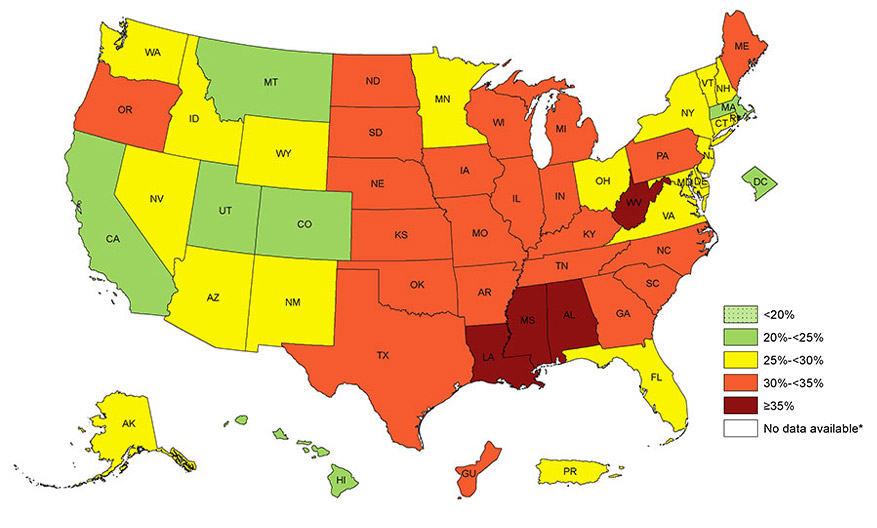
Most of my friends exercise regularly, eat well and watch their sugar intake. After all, we live in the land of Nike, were raised with “Just do it,” and can afford to go to health clubs. So it surprised me when I read that Oregonians live in one of the most obese states in the nation. We are at the high end of the national
average where 40.2 percent of adults (40-59), 37 percent of those over 60, and 32.2 percent of younger adults are obese. I learned that among white men, those with higher incomes are more likely to be obese while the reverse is true among women. Though education does not seem to affect obesity in men it does in women where the better educated are less likely to be heavy than their less educated sisters.

Telling people to “Just do it” obviously does not work. Look at the map assembled by the Center for Disease Control and Prevention showing the prevalence of self-reported obesity among adults throughout our country.

After seeing this map I realized that changing health habits requires willpower and I was not sure where one finds it.

There are many studies that show the benefits that come from resisting temptation and having self-control. The first experiment in the U.S. was conducted in 1960 by Walter Mischel who recognized his smoking addiction and wondered what it would take to get over it. He offered four year olds the choice of a marshmallow that they could have immediately, or two if they could wait for 15 minutes. The treats were always visible and the child was told that she or he could ring a bell to call the experimenter back to end the torturous wait. Mischel tracked their performance into adulthood and found that those who could resist temptation had greater academic success, better health, and lower rates of marital separation. Even knowing this outcome, Mischel could not stop smoking. It wasn’t until he saw a man with lung cancer that he realized he was fooling himself. From then on, each time he reached for a cigarette he would create a picture in his mind of the sick man which helped change his craving.

Psychologist Denise Cummins says that willpower is like a muscle that gets stronger when exercised. “Use it or lose it” is her advice. People rarely want to change, yet to have a happy, successful life, willpower and self-control are essential. It is neither fun nor comfortable to change patterns for it necessitates breaking bad habits. It may mean establishing new relationships with friends and family. Beer buddies or coffee klatch friends may be difficult to be around if they don’t share your desire to lose weight and not to drink excessively.

Those who see that love ones to need to change, are almost always ineffective in getting them to do so. To make a lifestyle change, the person has to decide to please him or herself rather than someone else.

Developing willpower is an internal, conscious decision that has to be approached with caution. . . and that means not to overdoing it. When practicing a new life pattern, don’t berate yourself if there are times when you don’t follow through. Willpower grows over time and needs occasional recovery periods in-between.

The task, however, is a creative one that takes imagination. There are tricks that can be employed to help. Mindfulness can be useful to help divert craving and constantly thinking about the addiction. Imaging games such as the one used by Mischel to stop smoking are helpful. Imagining what you will eat after watching a movie or cleaning a closet also works. Studies have shown that those who delay gratification are in more control when they finally do eat or drink.

It does take practice to develop visualization and mindfulness skills. Meditation helps calm the brain but turning away from the desired object is faster and also works. It makes sense for an alcoholic to avoid going into a bar or an obese person from visiting an all-you-can-eat restaurant. On a recent cruise to the Caribbean, I watched grossly overweight people returning from a buffet with two full plates of food, baskets of bread and piled high desert plates and wondered if they really were prepared to gain 5 or more pounds on their vacation. If not, they might have been better off avoiding temptation by being served from a menu with more limited choices and serving portions.

Stress depletes willpower, while exercise, meditation, and knowledge are power tools to use to gain it. Whenever I interviewed new employees I asked them what they did when they were stressed at work. Everyone had an answer to my query. They knew what helped them get through difficult times and easily shared their stories. What I discovered, was that they often forgot to call on their inner resources when needed. Whether it is visualization, listening to music, or as I do, taking a ride in my car, it is important to take the time to go to your secret place rather than feed your addiction.

Acquiring willpower can actually be fun, though it is easy to wonder how can weight loss or exercise be enjoyable when the thought of it is painful. The practice becomes easier if pre-planning is done. For instance, attending cooking classes where healthy ingredients are used provides an enjoyable, social activity. Establishing a routine with friends to walk, jog, or exercise is a way to make time whizz by. Setting a schedule for meditation, not only builds brain-power, but lowers blood pressure, and improves focus, all outcomes that feel good.. My own experience as a meditator is simply that it makes me feel relaxed and leaves me with renewed energy.

Problems are a never ending part of human existence that brings excitement into life. If there are many, I am busy working to solve them but notice that when there are few, I get bored and will go out of my way to find a new challenge. How problems are approached and overcome is what makes each life special. Growth occurs to those willing to step on a path that engages them in healthy activities. It is a road that leads to weight reduction, improved stamina, and relaxation. The walk becomes increasingly enjoyable as posture improves, pounds are shed, self-esteem improves, and new clothes are worn with pride. Smiles and sensitivity to others spread as problems are put in their place and dealt with as entertaining challenges.

Sounds pretty good doesn’t it? After gaining weight this winter I think I’ll get me some willpower and self-control.

References:
Overweight and Obesity, Center for Disease Control and Prevention,2015, https://www.cdc.gov/obesity/data/prevalence-maps.html

Cummins,Denise, How to Boost Your Willpower, 2013, Psychology Today, https://www.psychologytoday.com/blog/good-thinking/201306/how-boost-your-willpower

Konnikova, Maria, The Struggles of a Psychologist Sudying Self-Control, 2014, The New Yorker, http://www.newyorker.com/science/maria-konnikova/struggles-psychologist-studying-self-control

Haederle, Michael, How Mindfulness Can Build Your Brain, Life Reimagined, https://lifereimagined.aarp.org/stories/29441-How-Mindfulness-Can-Build-Your-Brain

Genetic Advantage

Malheur Sunset
The Swallows resting in the tree are considered to be genetically distinct. In evoloutionary terms, they have been evolving for 500,000 to 1 million years. Homo Sapiens are only at the beginning of their genetic journey.

Genetic Advantage
Thousands of people gathered recently in downtown Portland, Oregon representing both the right and left side of the political divide. In general, tempers were civil, though the crowd was on edge and there were moments of disruption. Several religious groups in the pro-Trump camp had posters with slogans proclaiming their adversity to racial mixing. They carried signs that said, “Diversity is Death for White Race.” I decided to do a bit of exploring and find out if there was merit to their claim. I wanted to know if there are there genetic advantages to having a mixed race species and if there was such a thing as a pure race?

According to a UK documentary about the subject, the uncontroversial answer is that mixed species are stronger than monocultures. The program claimed that if Hitler had had his way by genetically designing a purebred Aryan race, the results would not have been superior. The reverse would most likely have occurred, with a weaker biological stock emerging.

For more than a century, biologists have known that mixing diverse strains of plant or animal results in more vigorous offspring. An unrelated partner from a different stock or population can produce what scientists call, Hybrid Vigor? They identify situations where interbreeding in a particularly small community is common. The offspring tend to be unfit with a tendency to die young.

Human beings have 23 pairs of Chromosomes carrying about 30,000 genes. Every once in a while a gene may be bad or broken even though it will not cause a problem in the host organism. However, If two broken genes combine during procreation, they create an unhealthy situation for the descendent. Hybrid Vigor, the result of breeding occurring between unrelated people, avoids the problem of having two broken copies of the same gene likely to meet. 
 It is somewhat difficult to measure the effect of interbreeding because environmental effects are also play a role in the human condition. Being killed in a car accident or having damaged lungs because of smoking overrides the benefits that may occur from selecting a biologically strong mate. Though not a scientific claim, it is interesting to note that in the United Kingdom, mixed race people make up only 3% of the population, yet make up t30% of soccer players. Brazil, with a very mixed race population, has won the World Cup more than any other country.

In America, laws forbidding marriage between people of different races were common until the middle of the 20th century. Writers like Madison Grant, a leading eugenicist, warned that racial mixing was “a social and racial crime” that would lead toward “racial suicide” and the eventual disappearance of white civilization. For instance, he said that the cross between higher (white) racial types with Indians will produce Indians and with Negroes, will produce a Negro child, both unhealthy outcomes. Grant called for purity of blood inheritance. His writings, among others, led to 16 states developing legislation such as Virginia’s Racial Integrity Act . It spurred the growth of Anglo Saxon Clubs and the Ku Klux Klan. Virginia’s original law stated that a person was not white if he or she had 1/64 of Native Ancestry. Interestingly, 16 members of the Virginia General Assembly proudly claimed to be descendants of Pocahontas and objected to the law that was eventually passed. It wasn’t until 1967 that the Supreme Court struck down the Racial Integrity Act and 15 similar ones in other states.

According to a 2017 Pew Research Center report, 1 out of 10 married people in the U.S. has a spouse of a different race or ethnicity. Part of this accelerating condition is due to mass immigration which is making Americans more tolerant toward interracial marriage. Among women, Asians are the most likely to marry someone of a different race while among men, Hispanic and Black men are the most likely to intermarry.

However, there is a growing group of White Americans opposed to the trend to racial mixing. Those expressing their resistance to interracial marriage are most strong in rural areas. I was surprised to learn that 51 percent of Democrats and 72 percent of Republicans do not think intermarriage is good.

Despite negative feelings, the future of society is likely to lead to mixing races as it always has done in the past. In my last blog I mentioned the results of genome testing done with millions of people show that most Homo Sapiens have small traces of Neanderthal their DNA. What has changed from those prehistoric days to now is the speed in which racial mixing occurs. The structure of the human gene pool is dynamically affected by globalization and migration. I am reminded of lessons learned from Darwin’s Survival of the Species, that natural selection requires diversity and that those best suited to their environment will be the best candidates to pass their genes on to the next generation.

Today many of us live in environments that are not biologically well-suited for natural selection. Heating and cooling systems, contemporary agricultural practices and extensive transportation systems make that possible. Movement by mass populations has the advantage of blending genes, providing an opportunity for good traits to make their way into other populations. For example, in Tibet where high altitude creates low oxygen levels Tibetans are well adapted to their environment, but the Han Chinese and Serpas who moved to the area when China occupied the country in were not. When the races started to mix, the beneficial genes of the Tibetans helped the next generation of newcomers become better adapted to the thin air.

When examining dogs to identify genetic disorders, purebreds are found more likely to suffer weaknesses than those of a mixed-breed because same-breed mating can cause unhealthy recessive genes to become dominant. The human condition acts similarly. Studies of Middle Eastern and North African marriages among close relatives show that their children are more likely to have birth defects or genetic disorders than those living in racially mixed countries.

Geneticists explain that we are not as diverse as you might think. New York Times reporter, Natalie Angier, wrote, “Scientists say that while it may be easy to tell at a glance whether a person is Asian, African or Caucasian, the differences dissolve when one looks beyond surface features and scans the human genome for DNA hallmarks of race.” Race is a social construct, not a biological one and accounts for less than .01 of variations in genetic makeup.

It was interesting to learn of the recent discovery in Morocco identifying the skeletons of 300,000 year old Homo Sapiens. However, it was much later that our early ancestors left the content to travel north. “All of us evolved over the last 100,000 years from the same small number of tribes that migrated out of Africa and colonized the world,” says Dr. Craig Venter, head of Celera Genomics Corporation. He, along with others from the National Institutes of Health declare that there is only one race—the human race. There have only been 7,000 generations since the 10,000 or so people who left Africa started migrating north to mix at times with archaic humans. (such as Neanderthals and Homo Erectus). This is not enough time to produce variations of any significance.

The differences in how we are packaged, the visual cues of color, are minuscule when studying the human genome. There is little scientific evidence to support substantial distinctions between groups. Yes, there are genes that control pigmentation and other physical features but the are mostly “skin deep.” Slight variations are caused by the pressure of the environment to carry a certain genes to protect skin against the burning sun. Occasionally an isolated group develops a genetic predisposition due to one ancestor being born with an unusual mutation.

Over time, species either adapt of become extinct. Evolution can not be stopped and as the environment changes so will the need accelerate human adaptations. As sea levels continue to rise, populations will be forced to move and continue to reshape the structure of the gene pool However, it will take hundreds of thousands of generations living in changed and isolated environments before human beings will divide into genetically different groups. You and I will never live to see these differences so I say, let’s stop the racial biases and come together based on our similarities.

References:

Controversial, but True? mixed Race Humans have a Genetic Advantage, 2010,
http://www.ign.com/boards/threads/controversial-but-true-mixed-race-humans-have-a-genetic-advantage.192331120/

Lombardo, Paul, Eugenic Laws Against Race Mixing,University of Virginia, http://www.eugenicsarchive.org/html/eugenics/essay7text.html

Rosetti, Chris, National Vanguard, 2017, Pew Study:Vast Majority of Whites are Resisting Racial Mixing, http://nationalvanguard.org/2017/05/pew-study-vast-majority-of-whites-are-resisting-racial-mixing/

Slomon, Scott, from Future Humans: inside the Science of our Continuing Evolution, 2016, https://aeon.co/essays/the-future-is-mixed-race-and-thats-a-good-thing-for-humanity

Angier, Natalie, Do races Differ? Not really, DNA Shows. The New York Times, 2000
https://partners.nytimes.com/library/national/science/082200sci-genetics-race.html

Works of art are always for sale. Please contact me at marilynne@eichingerfineart.com

Malheur Sunset, 23” by 27”, $425, Acrylic on Canvas, Black wood frame

I would love to hear from you. Comment on my blog at eichingerfinearat.com/blog

Watching the Soaps

TV Diva
40”by 30”/ Acrylic on Canvas/ Gold Frame/ $ 499
Gossip is more entertaining than a truthful presentation of complex current events. It is easier to say, “oh my, oh my, how awful!” than “what should we do to make things better for all.”

Watching the Soaps
A friend recently mentioned that she has a difficult time staying away from the news. She admits to being addicted to minute by minute accountings of the latest outrages emanating from Washington and Wall Street. Her husband tells her that she is wasting her time. Even acknowledging that he may be right, that she does not need an hourly accounting to be informed, she can’t stay away from clicking on the news app.

“May you live in interesting times,” says the old Chinese curse. It took me many years before I understood why this was a negative comment rather than a wish for fun and adventure. Each day reports arrive with surprise horrors more shocking than those told the day before. How can anyone not want to follow the saga? It is the ultimate soap box story.

Media in its many forms, fill electronic highways with exciting programs never heard before. Up to date real time events mixed with talking head pundits and internet bloggers offer opinions that run the gamut from pending disasters to future elation. There are enough news outlets to accommodate everyone’s mood and preconceived biases.

To insure that their programs are entertaining and emotional, reporters focus on personalities more than they do issues, knowing that viewers rarely investigate what they are told. Unfortunately, the facts are difficult  to uncover and even when correctly presented, new information is often labeled as “false or alternative”  when it does not support previous understandings.

Because so many newscasters try to shock their audience rather than present difficult issues with proposed solutions, we remain utterly confused. The advice I was always given was to follow the money when seeking the truth. This search starts with the media itself.  High ratings are needed to satisfy advertisers who support networks and so newscasters entertain rather than present trustworthy news. The public  does not receive understandable information that promotes debate and consensus. Instead, we are set up with double talk that makes us spin in circles. It is difficult to know who and what to believe.

Wouldn’t it be wonderful to have all news sources present an accurate cost/benefit accounting comparing single payer, private insurance companies, and pay as you go health systems? In addition,  lets hear the truth about costs incurred and profits received by pharmaceutical companies so we can find out why drugs are so much more expensive in the U.S. than abroad. Armed with trustworthy information, a debate could occur that embraces economic and humanistic philosophies. A solution based on compromise might move successfully  forward. 

I was once a public appointee to the board of Michigan’s State Health Coordinating Council and I saw up close how vested interests work effectively against the common good. The financial interests of pharmaceutical companies, insurers, medical workers, hospitals, unions, and advertisers kept the common person in the dark and the group struggling to make rational decisions. I remember a union representative who did not want insurance premiums to include alcohol and drug addiction services even though they were known to reduce medical costs because his union wanted these services io be negotiated items in labor contracts. 

Each time a cost cutting decision was suggested, the losing organization, found ways of going against the group’s decision . For example, since expensive imaging devices in hospitals were not utilized at 100 percent capacity our committee recommended sharing equipment between facilities. When we turned down a hospital’s request for a new CAT machine, the hospital went around us and found a political decision to their liking.

There are vested interests on every side of every issue that need to be brought to the forefront. It is our right to know what they are.

The constant stream of chatter about political personalities would be laughable if serious consequences were not attached. When watching the soaps, if a sponge is left inside a body by an inebriated surgeon, it doesn’t really matter. The patient will rise once to walk away the scene is complete. Unfortunately, what happens in Washington does make a difference. I don’t enjoy feeling like a pawn caught in their drama.

Many news junkies tell me that there is little to be done but sit back in horror watching politicians lie, freedoms erode, the world become poisoned, our country lose respect, and the underclass of homeless, unemployable people expand. Foreign countries view us as a laughable, unpredictable, untrustworthy, manipulative nation that no longer travels the high road. The moral ground we used to dwell on has eroded.

“NOT SO!” say I. Many of us have strong ethical values and we do have a voice that can be heard. Let’s use the freedom our country offers to make things better.


1. Use your time wisely. Instead of being addicted to up to the minute happenings, do a bit of in depth research on the subject you are interested in. Get many points of view, not just those that reinforce your preconceived ideas and fears. Double check sources and find out who benefits by the way news is presented.

2. Call your legislators. They do response to their constituents. Many voices can change the way they vote.

3. News addicts can not afford to sit back and do nothing. The addiction is not healthy. It leads to fear, paralysis , and feelings of helplessness. It causes complaining and whining which does little more than make friends unhappy . I noticed that news addicts, tend to be wonderfully sensitive individuals. News addicts seem to be more agitated than those who put time and effort into their cause.

4. Select an issue and get more deeply involved. Are you concerned about the homeless, as I am? about the economy? the environment,? women’s issues,? wildlife? security? education? the unemployed and underemployed? Whatever your interest, join with others and work for your cause?

Food Habits

Food Habits
True Gold, (Sold)
If you were a bird you would probably not having anyone telling you that you are overeating. A medium sized bird like a Cooper’s Hawk eats 12 percent of its body weight. In human terms, a 150 pound person would eat18 pounds a day or about six extra-large pizzas. It gets even better if you are a little chickadee for then you could eat 35 percent of your weight or 600 granola bars each day. How lucky!

Food Habits

Yumm! I love ice cream sundaes, smothered in hot fudge, topped with walnuts, whipped cream and a red cherry on top. I also adore Eggs Florentine, with lots of hollandaise sauce. Thankfully, I don’t indulge very often, for I know that what I like is not always good for me. Eating well is a trade off that keeps me from getting diabetes, hypertension or clogged arteries. When I do crave sweets and creamed sauces, I do take a bite, never denying myself completely. The rest of the time it is fruit and veggies of all types. Did I neglect to say that I like beet salad as well as any sweet? I am addicted to the feta cheese mixed in.

As a child growing up in Philadelphia, I was happy when grandma took me to Horn and Hardart’s for lunch. In those days, you put a quarter in a slot next to a cubby hole covered with a glass door displaying an enticing selection of food. Everything was made fresh by chefs who worked on the other side of the wall refilling the empty cubbies. It was fun running from widow to window to find the best looking dishes. Vegetables were my food of choice with a fresh fruit cup for desert. My mouth salivates at the memory.

It seems strange that last week healthy food suddenly became a political issue. How could that happen? One of the best things Michelle Obama did was make the nation aware that we are raising a country of fat kids. Childhood obesity has tripled since the 1970s with one in five school-aged children affected.

According the the Centers for Disease control there are many reasons for obesity including:

genetics
metabolism—how the body changes food and oxygen into usable energy
eating and physical activity
environmental factors
Social and individual psychology

The most prominent reason, however, is due to consuming more energy from foods and beverages than the body needs to function well. The ramifications for obese children of indulging in a poor diet are many. They miss more days of school compared to those with a normal weight, are often bullied, and find it more difficult to perform academically. And, since they carry extra pounds, it is difficult to for them engage in the second most import weight reducing activity—exercise.

Scientists—yes, that recently malighned breed—studied the results of the reformed school meal program and found it to be effective in stemming obesity. . With 31 million students enrolled in this federally assisted meal program, it is easy to document if healthy choices have had a positive effect. There has been a noticeable reduction in obesity in elementary and middle schools over the past several years. There still is a way to go with teens who grew up with the old system.

Why change a program that appears to be working? Is the goal to have more children visiting health care providers because of acquiring a preventable disease? As of last week’s executive order, schools can increase the salt they put in their meals and they are not required to serve whole grain options. In other words, schools can return to serving flour, water, and salt, a formula used for making paste. Thankfully, the rule remains for students to take fruits and vegetables, though some want to get rid of that as well.

Since it is not easy to take off weight, wouldn’t it be smarter to start children on the right path so they will not have to struggle to take pounds off as they age? Certainly, kids like salt and chocolate and sugary carbonated drinks, but so what? Adults are supposed to be the educators who set the standards. I say, nonsense to the argument about children not making good choices. If they are hungry they will select food from the options before them. If they are filling up on junk food at home, then they must be getting money from somewhere to purchase it. Why pay for them to be part of the school meal program if they eat bad food that ruins their appetite? Look friends, the U.S. obesity epidemic is worse than ever. 38 percent of adults are obese as are 17 percent of teenagers.

Yes, socioeconomic factors are involved, for those with lower income and education are disproportionately more likely to be obese. Some communities have limited access to supermarkets so frozen meals, crackers , chips and cookies are foods of choice. It would be good to do something about having healthier choices in small markets as well, but since we can not tackle everything at once, lets continue with something we can do— provide children nutritious choices in school.

You, who follow my blog, most likely are healthy souls so I risk preaching to the converted. But, all of us should be concerned about the rest of our nation’s children. We have been feeding poor students since 1946,so why not do unto others as you would do unto your own family? Turning healthy nutritional options in school lunch programs into a political issue is a disgrace! Don’t let this happen in your community.

References:

Bird Note, 2017, How Much Do Birds Eat? http://birdnote.org/show/how-much-do-birds-eat

Centers for Disease Control and Prevention, Childhood Obesity Facts, https://www.cdc.gov/healthyschools/obesity/facts.htm

National School Lunch Program,https://www.fns.usda.gov/sites/default/files/NSLPFactSheet.pdf

Jalonick, Mary Clare, Associated Press, 2017, Government relaxes nutrition standards for school lunches, http://www.pbs.org/newshour/rundown/government-relaxes-nutrition-standards-school-lunches/

Mayo Clinic Staff, Childhood obesity, 2017, http://www.mayoclinic.org/diseases-conditions/childhood-obesity/symptoms-causes/dxc-20268891

Take Me Out To the Ball Game

Spring has Sprung
40” by 20” / acrylic on Canvas, $499
I don’t know who wrote this version of Spring has Sprung but I remember it well from childhood.
Spring has Sprung, The grass is Riz, I wonder where my jacket is?

Take Me Out to the Ball Game

When I was a child I lived in Philadelphia where baseball was king. After work, Dad would gather my sister, brothers, and me, for a game of catch on the side lawn. Family picnics and summer camps always included a baseball game. And though I threw like a girl, which isn’t saying much,I was not a bad batter and was a middle pick when captains selected players.

On weekends Dad took us the see the winning Phillies and the declining Philadelphia Athletics (As). Dad had grown up with the Athletics, one of baseball’s two original teams, and was loyal to them until they moved. Men like Yogi Berra, Stan the Man Musial, Mickey Mantle, and Jacki Robinson were household names. When Robin Roberts helped the Phillies win the pennant in 1950 my friends and I were glued to the radio.

I remember ball park excursions and how dozens of kids were gathered outside to see if a home run ball would come whizzing over the wall so they could trade it in for admittance. Once inside the park we sang the national anthem and shouted with mounting excitement the moment, the announcer said “play ball.” A bag of peanuts, cracker jacks with its hidden toy, the taste of a hot dog smothered with mustard, a soft drink, and an occasional stomach ache adds to my memories. I also think of the time we forgot where we parked the car and took an hour to walk up and and down nearby streets before it was located.

In those days, attending major league games was in the reach of everyone. It was not, as it is today, a pastime of the wealthy. Two weeks ago, I found it difficult to believe a friend who told me he thought of going to the opening game in Seattle and paying $300 for a ticket. How many people have that much disposable income?

I decided to explore the cost of attending a typical game and find out if the price is still within the reach of most people. I learned that the average cost for bleacher seats for two people across all 30 major league teams is $ 77.92. If you add parking $16-$ 25, two hot dogs, $8.73, and $11.89 for two beers or drinks, it will cost a minimum of $ 114.54. Most fans consume more than one hot dog and buy a program and occasional souvenir. Attending games in older stadiums such as Fenway Park in Boston or Wrigley Field in Chicago may add $110 to the bill.
In 1950,Dad paid $ 1.59 for a ticket to the Phillies and even taking into account inflation, the price was reasonable. Over the years much has changed to make the average family unable to attend and cheer their heroes. No longer is baseball a way to escape misery as many did during the depression.

In order to understand how the game has changed, let’s consider the how the cost of financing a team escalated. The New York Knickerbockers was given the first hurdle in 1885 when asked to pay rent. It wasn’t long before franchise owners started paying good players “under the table” in order to keep them loyal. Revenue to pay expenses was primarily generated from tickets sales, but that changed over time because of radio, television, and print media.

My father told me that in the1940s his entire family sat in the living room listening to radio sports casters stirring imaginations with lively accountings. When television and print media took over, fans could see for themselves what was occurring and it want to attend live games. And as they came, so did licensed memorabilia. Money wise owners granted rights to show games on television and received money from advertisers to use their team brand.

Until the early 1950s Major Baseball League (MLB ) was composed of 16 teams in 10 cities, none west of St. Louis. Beginning in the late 60s, 14 franchises were added until the American and National leagues reached15 teams each (one is Canadian). With growth, new stadiums were constructed, and again attendance soared by 44%. Teams were bought and sold, and some business savvy owners moved their purchases to markets with a larger population. As the game continued to gain in popularity, players become more expensive to recruit and keep. In 2016, Clayton Kershaw of the Los Angeles Dodgers was paid $34.5 million. The best athletes were turned into heroes by the media which attracted more fans willing to pay higher prices for admission.

The cost of owning a team appears to have no end as expenses continue to rise. In 2010, the Yankees generated $325 million in ticket revenues, giving them a profit of over $ 100 million. But, since teams now engage in revenue sharing as a way of improving competitiveness, the Yankees had to pay out $75 million for distribution to teams in smaller markets. Stadium expenses, staffing, and pre-game entertainment add to the expenses that owners pass on to fans.

Though ticket prices have escalated, it is the add-ons that have really made a difference to the wallets of the average attendee. Fans eventually got used to paying for everything sold in the park. They pay to watch batting practice in the spring, for pre game entertainment, and $11 for a beer. Those watching at home, pay an average of $ 67 per month for cable TV.

Strange as it sounds talented athletes have negatively affected the excitement fans get from watching them play. Strikeouts have increased, base and home runs decreased, and scores are lower, making the game less lively for many. Playoffs stretch into late fall, with the World Series starting in October. The 162 games played throughout the spring and summer have less meaning for those waiting for the final competition.

Attendees are older and overwhelmingly composed of white men (70% —the TV audience is older than that of any other major sport. To the concern of many, the number of kids playing baseball has steadily declined over the past two decades.
One problem is that attending a game has increased from two to a six hour commitment which does not attract busy millennials. The game is longer, in part, because pitchers are changed more frequently and because of extensive pre-game activities. For example, the St Louis Cardinals have a Pregame Party that starts 2 1/2 hours before the game and features a DJ or live music that lasts until the first pitch. A full buffet and bar are included, requiring an additional fee.

One reason MLB attendance has been relatively steady over the years is that our country’s population continues to increase. There were 180 million people in the United States in 1960 and this month, April, 2017, there are over 326 million.

Though baseball attendance peaked in 2007, it has not yet recovered, producing inklings of concern for the faithful. In 2016, MLB it was again down slightly from the previous year, the third decline of the last three years. Attendance continues to fall at Little League and College World Series events. Optimists, believe expansion is inevitable but say that it will occur internationally rather than locally.

I wonder what will happen if ticket prices continue to climb, making them unaffordable to the average fan? Will it die does not attract more young people? A friend complained that the expansion to 30 franchises in the 70s and 80s diluted the talent pool, but others discount his opinion as players are recruited from Asia and Latin America. I am not sure that fans have the same passion for foreign born players as they did for home grown ones.

What do fans do who want to keep the sport alive? Dads who grew up with the game, face problems of whether to attend with their family. Since the average cost for four is $305, should Dad go alone or save so the family can attend one game a year? Should he take the children to a B team instead? Baseball is not as much fun to watch on television when you are by yourself. Do you think Dads will get their children to turn off the computer and bond by joining them for the game? Given two parent workers, is it possible to allocate time for a daily catch?

Some children do become involved in little league. However, that is a financial burden for low income families, for they need to purchase bats, gloves, helmets, shoes and perhaps private lessons. I can imagine how astronomical the costs are for my neighbor whose son travels with a team. Kids from single family homes have an especially difficult time joining a team. According to a recent study at the University of Nebraska, “95 percent of all college baseball players come from two parent homes.”

Baseball is still considered the nation’s national sport despite the fact that football games have higher TV ratings, stronger attendance, and revenue. Baseball maintains its position as America’s pastime because it has a broader reach into society. It manages to keep a local following while football’s is national. I hope it stays that way. Paying $700 for a ticket to Hamilton or $500 for the opera is just plain over the top. Let’s hope that baseball doesn’t become equally insensitive. Shouldn’t the average family be able to rally around at least one professional sport with ticket prices within their reach?

References:
Aumack, Ray The Economics of Baseball, 2012, http://newyork.cbslocal.com/2012/05/21/by-the-numbers-the-economics-of-baseball/

Tuttle, Brad, 9 Reasons It’s Hard to be a Baseball Fan Today, Money Magazine, 2015,
http://time.com/money/3772690/baseball-losing-fan-interest/

Hudgens, Laura Hanby, The decline of Baseball and Why it Matters, Huffpost, 2016,http://www.huffingtonpost.com/laura-hanby-hudgens/the-decline-of-baseball-a_b_9630782.html

Dodd, Mike, MLB expansion effects still felt 50 years later around the leagues, USA Today, 2011, https://usatoday30.usatoday.com/sports/baseball/2011-04-07-angels-baseball-expansion_N.htm

Lindholm, Scott, Major League attendance trends, past, present, and future, SB nation, 2014, http://www.beyondtheboxscore.com/2014/2/10/5390172/major-league-attendance-trends-1950-2013

Barra, Allen, Sorry, NFL: Baseball is Still America’s Pastime, The Atlantic, 2013, https://www.theatlantic.com/entertainment/archive/2013/10/sorry-nfl-baseball-is-still-americas-pastime/280985/

Official site of the St. Louis Cardinals – Pre Game show, 2017, http://m.mlb.com/cardinals/tickets/info/pregame
_________________________
I look forward to you comments.

Art is always for sale. Contact me at marilynne@eichingerfineart.com

The Anthropologist’s Way

Summer Night’s Dream
Acrylic on Canvas, 26” ato 32”, Gold Frame, $498

We are afloat in a world that has changed. The systems we grew up with in comfort are no longer applicable for a blended society that spans the globe.

The Anthroplogist’s Way

In college I majored in cultural anthropology, a pursuit my parents thought was one step up from useless. Since they assumed I would get married rather than travel the world to live among exotic tribes, they were not worried and never complained. They were right since I did get married at 18 and was a mother at 21. I never did go to the outreaches of Nigeria where I hoped find an unstudied people who would carry me to fame and fortune.

Looking back, I realize that I could not have made a better choice of major. Anthropology taught me a great deal and continues to guide my thoughts. It helped me understand how each person is culturally tied to the world from a unique vantage. And, though we reside within communities, our individual struggles make each of us the center of our own universe. We peer through tinted glasses shaded by family, community, economic conditions, and our own experiences.

Yet, with all of our differences, societies are similar in that they are organized around common systems. To understand the interrelationships between individuals, groups and institutions we studied beliefs and ways of organizing. The systems are identified as:

-religious
-political
-family
-economic
-social classes
-racial diversity
-gender roles
-ethical values
-distribution of wealth

These categories create an exchange of energy that defines the whole. Every society has them yet in each they differ.

Once I realized that societies have similar organizational needs, I reasoned that ego-centricity is the main cause of tension between cultures. The more I learned, the more difficult it became to define a particular system as good, better or best for it was created relative to the totality of everything in the environment.

I thought of how clothing can define a culture, yet they most likely were designed to accomadate a particular climate and habitat. For instance, those living in a Middle-Eastern desert would need to cover head, face, and body for protection from sandstorms and the burning sun. After realizing that these garments work well in harsh conditions, it is probable that the fashion was spread by nomads to nearby towns and cities. Since men and women’s bodies in Middle-Eastern countries are fully covered, their garments may also have contributed to ideas about morality and modesty. Of course, this is speculation on my part, but it makes some sense.

My high school history books talked about how ancient societies of hunters and gatherers slowly evolved to live a more agrarian existence. Further readings explained how pregnancies were welcome, for multiple births insured the group’s survival. Childhood diseases and accidents were rampant before antibiotics and deaths frequent. Hunting was dangerous and farming families needed many hands to till the land.

Today’s world has different challenges. Augmented farming methods give us the ability to feed more mouths with less need for labor. And though the birth rate has slowed in industrialized nations, population still increases in poor countries lacking resources. When a warming climate and war impacts those living in poor countries, families suddenly find that there is not enough safe, fertile land and drinkable water to survive. They are forced to migrate and come in conflict with strange organizational systems and beliefs.

Migrants as well as those in communities that accept them as immigrants become confused, don’t understand cultural differences, and have conflicting feelings about the ways “the others” view the world. The centers of their universes are now overlapped, causing tensions that can even lead to war. It happens quickly, with little time to accommodate.

Systems that previously worked well become suspect as migrants try to provide input even though most of their ideas are frowned upon by the dominant society. Few of us want to change. We hold on to our beliefs as though they are etched in stone forever more. We scream, fight, belittle, and say that we will not move away from what we have always known. We prefer to remain in a childhood comfort zone.

Time does not stand still and migrants do influence change. Societies constantly and painfully reorganize systems that mix cultural norms. The pushing and shoving, giving and taking that goes on around us is exacerbated by war, climate warming, population growth. Eventually a synergy results from this blending of cultures and people slowly adapt.

There are no absolutes. As mentioned earlier, we each see things from the center of our own universe. Einstein spent his waning years looking for a unified theory of the universe. His search for one unqualified, universal truth remains an unsolved challenge. We may never know absolute truth and for now, at least, have to deal with uncertainty and chaos.

What this means for most is that we must constantly question and realign systems as new input is received. It involves investigating beliefs and allowing that there are conflicting views that may be valid but we may never know for sure.

My parents would be surprised to discover that an anthropologist’s way of looking at systems might help different cultures coexist ccompassionately. By exploring common needs around food, water, land use and population perhaps rational decisions can be made to reorganize systems to benefit the majority.

Let’s also agree that it is OK to disagree when it comes to items of religious faith and embedded customs that do no harm to others. To live on this earth together, we have to bend a bit.
bend a bit.References:
1. Definition of Socio Cultural Anthropology, http://www.cod.edu/dept/anthro/cultural%20anthropology%20definition.htm
2. Noakes, Zoe, Why do the Poor Have Large Families? Compassion, January 2011, https://www.compassion.com.au/blog/why-do-the-poor-have-large-families
_______________________________

I look forward to your comments below.

Art is always for sale. Contact me at marilynne@eichingerfineart.com